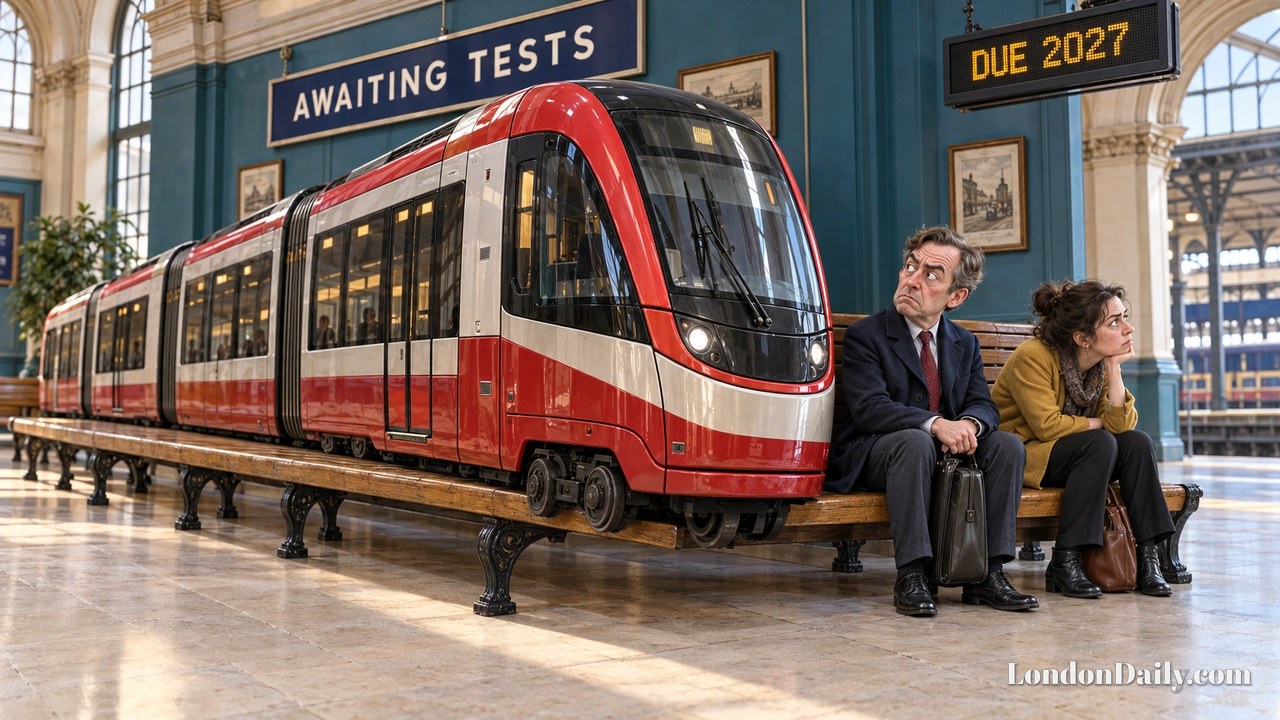
A taxpayer-funded tram-train fleet costing more than £200m remains mostly unused more than three years after its first delivery, with Transport for Wales now targeting full service by the end of 2027 rather than the original 2022 deadline.
Only 16 of the 36 three-carriage units have passed statutory testing for Britain’s rail network; 20 still await completion. Six are undergoing passenger testing, but software problems have sometimes forced their temporary withdrawal. Freedom of Information data shows testing can take between six weeks and two years.
The Class 398 Citylink units, ordered from Swiss manufacturer Stadler in 2018, are the unfinished element of the £2bn South Wales Metro, Wales’s largest infrastructure project since devolution in 1999. The first arrived in March 2023.
For passengers, the outstanding promise is a doubling from two to four trains an hour between Cardiff and Aberdare, Merthyr Tydfil and Treherbert. That is now expected by the end of 2027, five years later than initially promised.
TfW chief executive James Price said introducing Class 756 trains, which arrived earlier and proved more reliable, had taken priority and delayed tram-train testing. Those units have served the valleys since 2024.
Price acknowledged frustration but defended the phased introduction, citing 95% on-time reliability on the valleys network as the standard to protect. He identified software as the biggest issue, while arguing that automation would eventually make fleet-wide improvements cheaper, quicker and more reliable. Stadler described the problems as minor issues addressed through normal refinements and software updates.
The engineering choice behind the project remains contested. Overhead wires cover only two-thirds of the 105-mile network, with on-board batteries powering trains through unwired sections. TfW says this approach saved about £400m and years of work.
Rail engineer and broadcaster Gareth Dennis argues that combining tram and train operation, batteries and discontinuous electrification makes the vehicles unusually complicated, shifting demands from infrastructure to equipment that must all be tested. He fears corners were cut by avoiding complete overhead wiring. TfW counters that the technology already works on its larger Class 756 trains.
TfW also attributes delays to electrification infrastructure completed only in March, following Covid and Ukraine-war supply-chain disruption. Price says progress since taking over the lines in 2021 compares favourably with other British projects.
Reform’s shadow transport minister Jason O’Connell demanded answers over years of delay and what he called spiralling costs. The Welsh government says improvements are already transformative and the full rollout remains on target for the end of 2027.
That timetable still requires several hundred crew to be trained and signalling work at Cardiff Queen Street, alongside completing the fleet’s testing and resolving its reliability problems.








Video comments