UK Moves to Treat Antisemitism as National Emergency After Series of Attacks
Authorities escalate response following arson and stabbing incidents targeting Jewish communities, intensifying debate over security, policing priorities, and hate crime enforcement in Britain.
A shift in national security posture toward antisemitic violence is underway in the United Kingdom after a series of arson and stabbing attacks targeting Jewish individuals and institutions prompted officials to describe the threat as an emergency requiring coordinated state action.
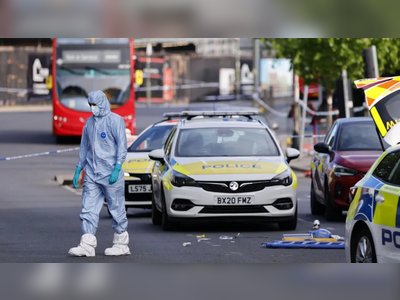
What is confirmed is that recent violent incidents against members of Jewish communities, including attacks involving fire damage to property and stabbings, have triggered a formal escalation in how authorities are characterizing antisemitic violence.
Government and security officials have publicly framed the situation as part of a broader surge in hate-related threats that require intensified policing and protective measures.
The mechanism behind the escalation is rooted in how the UK classifies and responds to threats involving politically or religiously motivated violence.
When a pattern of attacks is assessed as systemic rather than isolated, it can prompt enhanced intelligence coordination, increased police deployment around vulnerable sites such as synagogues, and expanded monitoring of extremist activity.
The immediate focus of law enforcement is twofold: preventing further attacks and identifying whether the incidents are connected or part of coordinated activity.
Investigations are ongoing into the individual cases, and while suspects have been detained in some instances, authorities have not publicly established a single unified network responsible for all reported events.
The political context is highly sensitive.
Antisemitic incidents in the UK have historically fluctuated in response to international developments, domestic tensions, and online radicalization trends.
Jewish community organizations have repeatedly warned of rising anxiety and increased security needs, particularly around religious holidays and public gatherings.
The government response reflects a broader tightening of hate crime policy in recent years, which has included expanded police training, stronger recording standards for religiously motivated offenses, and increased funding for community security measures.
However, critics have argued that enforcement has not always kept pace with the scale of reported incidents.
The consequences of the emergency framing are practical as well as political.
Security presence around Jewish schools, synagogues, and cultural centers is expected to increase, while intelligence agencies are likely to prioritize monitoring of online networks suspected of inciting or encouraging violence.
The situation also places pressure on public discourse, as officials seek to balance free expression with the need to deter incitement and protect targeted communities.
The coming period is expected to test the effectiveness of coordinated policing and the resilience of community protection systems already in place.
The immediate outcome is a heightened national security focus on antisemitic violence, with law enforcement agencies instructed to intensify preventive measures and expand operational coordination across regions where Jewish communities are most at risk.
What is confirmed is that recent violent incidents against members of Jewish communities, including attacks involving fire damage to property and stabbings, have triggered a formal escalation in how authorities are characterizing antisemitic violence.
Government and security officials have publicly framed the situation as part of a broader surge in hate-related threats that require intensified policing and protective measures.
The mechanism behind the escalation is rooted in how the UK classifies and responds to threats involving politically or religiously motivated violence.
When a pattern of attacks is assessed as systemic rather than isolated, it can prompt enhanced intelligence coordination, increased police deployment around vulnerable sites such as synagogues, and expanded monitoring of extremist activity.
The immediate focus of law enforcement is twofold: preventing further attacks and identifying whether the incidents are connected or part of coordinated activity.
Investigations are ongoing into the individual cases, and while suspects have been detained in some instances, authorities have not publicly established a single unified network responsible for all reported events.
The political context is highly sensitive.
Antisemitic incidents in the UK have historically fluctuated in response to international developments, domestic tensions, and online radicalization trends.
Jewish community organizations have repeatedly warned of rising anxiety and increased security needs, particularly around religious holidays and public gatherings.
The government response reflects a broader tightening of hate crime policy in recent years, which has included expanded police training, stronger recording standards for religiously motivated offenses, and increased funding for community security measures.
However, critics have argued that enforcement has not always kept pace with the scale of reported incidents.
The consequences of the emergency framing are practical as well as political.
Security presence around Jewish schools, synagogues, and cultural centers is expected to increase, while intelligence agencies are likely to prioritize monitoring of online networks suspected of inciting or encouraging violence.
The situation also places pressure on public discourse, as officials seek to balance free expression with the need to deter incitement and protect targeted communities.
The coming period is expected to test the effectiveness of coordinated policing and the resilience of community protection systems already in place.
The immediate outcome is a heightened national security focus on antisemitic violence, with law enforcement agencies instructed to intensify preventive measures and expand operational coordination across regions where Jewish communities are most at risk.