Beshear’s Warning Highlights Political Strain Over UK Leadership Roles and Internal Party Rift
A public warning about the vulnerability of leadership positions underscores growing tensions within UK political structures, where internal divisions are shaping party stability and future leadership contests.
A political warning regarding the fragility of leadership roles within UK political structures has drawn attention to intensifying internal divisions and the conditions under which party authority can erode rapidly.
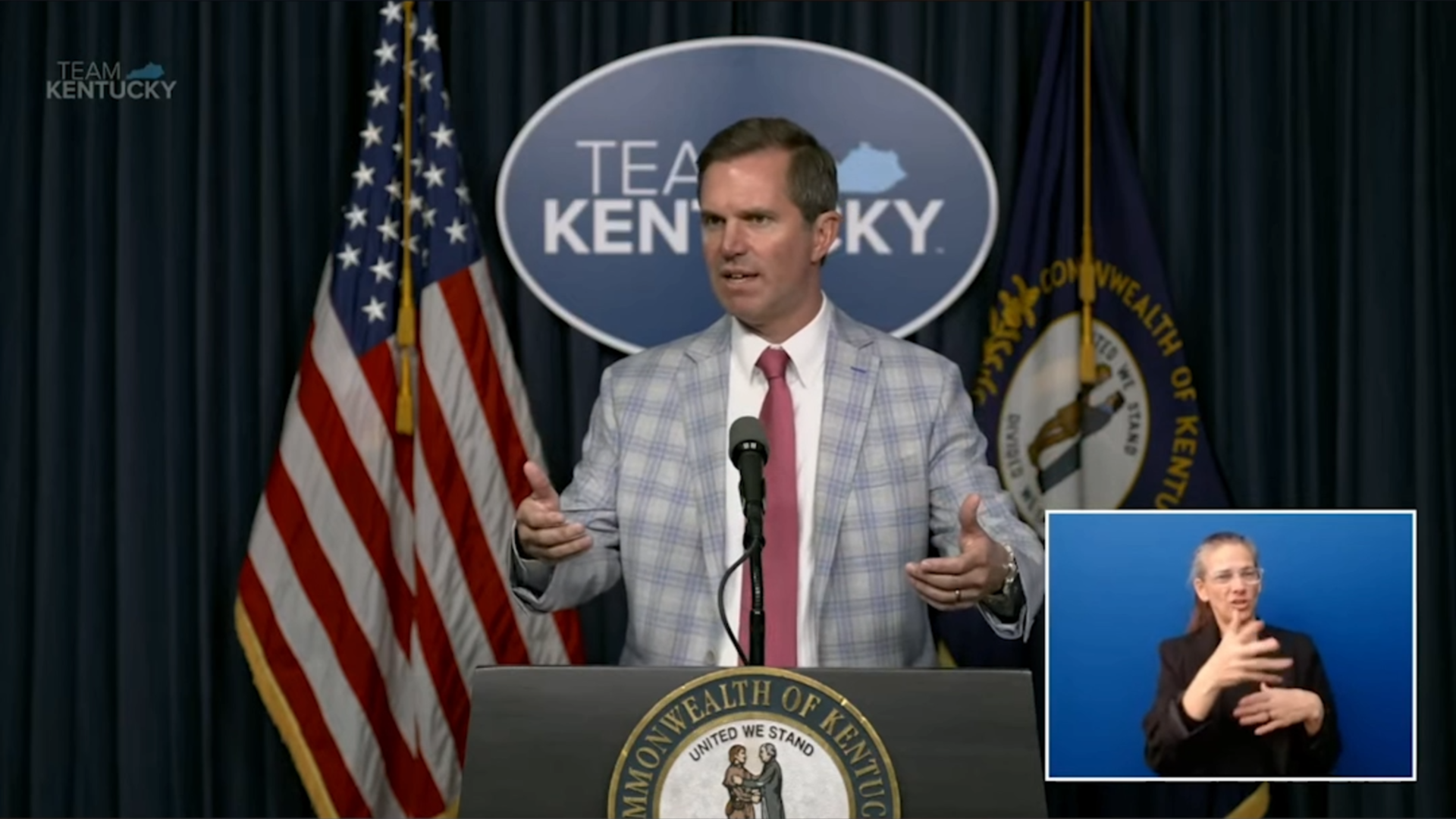
What is confirmed is that Beshear issued a public caution suggesting that leadership positions in UK politics can end abruptly and under difficult circumstances, reflecting a broader climate of internal tension within party structures.
The remarks were made in the context of an ongoing rift that has exposed competing factions and strategic disagreements over direction, messaging, and control.
The mechanism behind such warnings lies in the nature of parliamentary party systems, where leadership stability depends heavily on internal confidence rather than fixed electoral terms.
In such systems, leaders can be removed or weakened through internal party processes, including votes of no confidence, resignations under pressure, or coordinated challenges from rival factions.
The current political environment has been marked by heightened sensitivity to leadership performance, particularly in periods of electoral uncertainty or policy disagreement.
Internal disagreements often become public when factions within a party disagree on strategy, governance priorities, or responses to national issues, amplifying perceptions of instability.
The rift referenced in the warning reflects a broader pattern seen in recent years across multiple political parties, where internal divisions have increasingly shaped leadership outcomes.
These divisions are typically driven by ideological differences, strategic disagreements over electoral positioning, and competing leadership ambitions within party ranks.
The stakes of such internal instability are significant.
Leadership uncertainty can weaken policy implementation, reduce government cohesion, and affect public confidence in political institutions.
It can also trigger accelerated leadership contests, reshuffling of senior roles, and shifts in party direction without a general election.
At the same time, political systems in the UK are structured to allow rapid leadership transitions when internal confidence collapses.
This flexibility is intended to maintain party discipline and responsiveness, but it also creates conditions where leadership can be more vulnerable to internal disputes than external electoral pressure.
The immediate implication of the warning is a renewed focus on internal party unity and leadership durability.
Political actors are expected to intensify efforts to manage factional tensions, stabilize internal alliances, and prevent further public escalation of disputes that could weaken leadership authority.
The broader outcome is a political environment where leadership positions are increasingly shaped not only by electoral performance but by internal cohesion, making party unity a central determinant of political survival.
What is confirmed is that Beshear issued a public caution suggesting that leadership positions in UK politics can end abruptly and under difficult circumstances, reflecting a broader climate of internal tension within party structures.
The remarks were made in the context of an ongoing rift that has exposed competing factions and strategic disagreements over direction, messaging, and control.
The mechanism behind such warnings lies in the nature of parliamentary party systems, where leadership stability depends heavily on internal confidence rather than fixed electoral terms.
In such systems, leaders can be removed or weakened through internal party processes, including votes of no confidence, resignations under pressure, or coordinated challenges from rival factions.
The current political environment has been marked by heightened sensitivity to leadership performance, particularly in periods of electoral uncertainty or policy disagreement.
Internal disagreements often become public when factions within a party disagree on strategy, governance priorities, or responses to national issues, amplifying perceptions of instability.
The rift referenced in the warning reflects a broader pattern seen in recent years across multiple political parties, where internal divisions have increasingly shaped leadership outcomes.
These divisions are typically driven by ideological differences, strategic disagreements over electoral positioning, and competing leadership ambitions within party ranks.
The stakes of such internal instability are significant.
Leadership uncertainty can weaken policy implementation, reduce government cohesion, and affect public confidence in political institutions.
It can also trigger accelerated leadership contests, reshuffling of senior roles, and shifts in party direction without a general election.
At the same time, political systems in the UK are structured to allow rapid leadership transitions when internal confidence collapses.
This flexibility is intended to maintain party discipline and responsiveness, but it also creates conditions where leadership can be more vulnerable to internal disputes than external electoral pressure.
The immediate implication of the warning is a renewed focus on internal party unity and leadership durability.
Political actors are expected to intensify efforts to manage factional tensions, stabilize internal alliances, and prevent further public escalation of disputes that could weaken leadership authority.
The broader outcome is a political environment where leadership positions are increasingly shaped not only by electoral performance but by internal cohesion, making party unity a central determinant of political survival.