UK Local Elections Shake Labour as Reform UK Breaks Through on Hard-Right Surge
Early results show governing Labour losing ground in key councils while Reform UK makes significant gains, signaling voter anger over migration, living costs, and political trust ahead of the next general election.
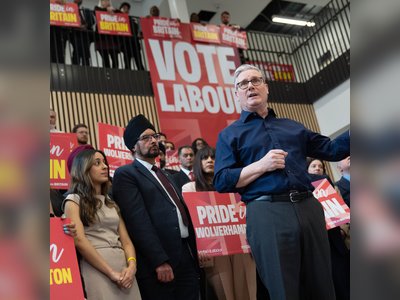
The United Kingdom’s local electoral system has become the central mechanism revealing a sharp political realignment, as early results from nationwide council elections show heavy losses for Prime Minister Keir Starmer’s Labour Party alongside a significant breakthrough for the hard-right Reform UK.
The votes, spread across hundreds of local authorities in England, are widely viewed as the first major electoral test of Starmer’s government since Labour returned to power.
While local elections do not directly determine national leadership, they are closely watched as a barometer of public satisfaction with governing parties and a predictor of broader political momentum.
What is confirmed is that Labour has lost control of multiple councils it previously held, with swings away from the party concentrated in suburban and post-industrial areas where concerns over immigration, housing costs and public service strain have intensified.
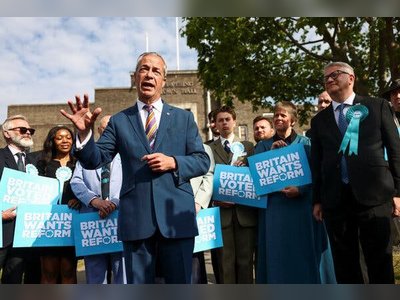
At the same time, Reform UK, led by Nigel Farage, has secured its strongest local election performance to date, winning council seats and establishing itself as a disruptive force in constituencies traditionally contested by Labour and the Conservatives.
The key issue driving the results is not a single policy but a convergence of political pressure points: persistent inflation in essential goods, strained healthcare services, high net migration, and declining trust in mainstream parties.
Reform UK has focused its campaign on sharply reducing immigration, challenging climate-related regulations, and presenting itself as an anti-establishment alternative to what it describes as a consensus political class.
Labour’s losses reflect a more complex political reality than simple voter defection to the right.
In several areas, turnout patterns suggest voter disengagement and fragmentation rather than unified support for a single alternative.
The Conservative Party, still recovering from its general election defeat, has also failed to regain significant ground, indicating a broader erosion of traditional two-party dominance in parts of England.
Early analysis of the results shows Reform UK making inroads in councils across northern England and parts of the Midlands, regions that historically formed the backbone of Labour’s working-class support.
In some areas, Reform candidates overtook Conservative rivals to become the main challengers to Labour, a shift that signals a restructuring of Britain’s political competition at the local level.
The results are politically significant because they expose vulnerabilities in Labour’s governing strategy.
Starmer has positioned his administration as fiscally disciplined, institutionally steady and focused on long-term reform of public services.
However, critics argue that this approach has not yet translated into visible improvements in living standards or addressed public concern over border control and migration management.
Reform UK’s gains also underline the continuing fragmentation of the Conservative voter base.
The party has struggled to present a unified message after years of internal divisions and leadership changes.
As a result, voters dissatisfied with both major parties are increasingly willing to support smaller or insurgent alternatives, particularly in low-turnout local contests where protest voting is more common.
The electoral shift is occurring within a broader European pattern in which hard-right and populist parties are gaining ground by capitalizing on economic anxiety and immigration debates.
However, the UK context remains distinct due to its first-past-the-post electoral system, which can amplify or suppress emerging parties depending on geographic concentration of support.
For Labour, the immediate consequence is political pressure ahead of national-level decisions on taxation, welfare spending and immigration enforcement.
For Reform UK, the challenge is converting local electoral success into sustained organizational capacity and national credibility, including candidate discipline and policy development beyond campaign messaging.
The results do not yet represent a transfer of power at the national level, but they do signal a weakening of traditional political alignment in England.
The erosion of Labour’s dominance in its former strongholds, combined with the rise of Reform UK in council politics, suggests that the next general election could be shaped less by party loyalty and more by volatile issue-driven voting blocs.
As counting continues, both major parties are preparing internal assessments of voter sentiment, with particular focus on whether dissatisfaction is temporary or indicative of a longer-term restructuring of Britain’s political landscape.
The early outcome of these elections has already confirmed one shift: the country’s electoral map is becoming more fragmented, more reactive, and less predictable.
The votes, spread across hundreds of local authorities in England, are widely viewed as the first major electoral test of Starmer’s government since Labour returned to power.
While local elections do not directly determine national leadership, they are closely watched as a barometer of public satisfaction with governing parties and a predictor of broader political momentum.
What is confirmed is that Labour has lost control of multiple councils it previously held, with swings away from the party concentrated in suburban and post-industrial areas where concerns over immigration, housing costs and public service strain have intensified.
At the same time, Reform UK, led by Nigel Farage, has secured its strongest local election performance to date, winning council seats and establishing itself as a disruptive force in constituencies traditionally contested by Labour and the Conservatives.
The key issue driving the results is not a single policy but a convergence of political pressure points: persistent inflation in essential goods, strained healthcare services, high net migration, and declining trust in mainstream parties.
Reform UK has focused its campaign on sharply reducing immigration, challenging climate-related regulations, and presenting itself as an anti-establishment alternative to what it describes as a consensus political class.
Labour’s losses reflect a more complex political reality than simple voter defection to the right.
In several areas, turnout patterns suggest voter disengagement and fragmentation rather than unified support for a single alternative.
The Conservative Party, still recovering from its general election defeat, has also failed to regain significant ground, indicating a broader erosion of traditional two-party dominance in parts of England.
Early analysis of the results shows Reform UK making inroads in councils across northern England and parts of the Midlands, regions that historically formed the backbone of Labour’s working-class support.
In some areas, Reform candidates overtook Conservative rivals to become the main challengers to Labour, a shift that signals a restructuring of Britain’s political competition at the local level.
The results are politically significant because they expose vulnerabilities in Labour’s governing strategy.
Starmer has positioned his administration as fiscally disciplined, institutionally steady and focused on long-term reform of public services.
However, critics argue that this approach has not yet translated into visible improvements in living standards or addressed public concern over border control and migration management.
Reform UK’s gains also underline the continuing fragmentation of the Conservative voter base.
The party has struggled to present a unified message after years of internal divisions and leadership changes.
As a result, voters dissatisfied with both major parties are increasingly willing to support smaller or insurgent alternatives, particularly in low-turnout local contests where protest voting is more common.
The electoral shift is occurring within a broader European pattern in which hard-right and populist parties are gaining ground by capitalizing on economic anxiety and immigration debates.
However, the UK context remains distinct due to its first-past-the-post electoral system, which can amplify or suppress emerging parties depending on geographic concentration of support.
For Labour, the immediate consequence is political pressure ahead of national-level decisions on taxation, welfare spending and immigration enforcement.
For Reform UK, the challenge is converting local electoral success into sustained organizational capacity and national credibility, including candidate discipline and policy development beyond campaign messaging.
The results do not yet represent a transfer of power at the national level, but they do signal a weakening of traditional political alignment in England.
The erosion of Labour’s dominance in its former strongholds, combined with the rise of Reform UK in council politics, suggests that the next general election could be shaped less by party loyalty and more by volatile issue-driven voting blocs.
As counting continues, both major parties are preparing internal assessments of voter sentiment, with particular focus on whether dissatisfaction is temporary or indicative of a longer-term restructuring of Britain’s political landscape.
The early outcome of these elections has already confirmed one shift: the country’s electoral map is becoming more fragmented, more reactive, and less predictable.