Princess Kate to Highlight Wartime Legacy Funding as She Visits Innovative Italian Schools
The Princess of Wales will tour Italian schools built with World War Two scrap metal donations, linking education innovation with historical reconstruction efforts.
Actor-driven royal diplomacy is shaping the significance of an upcoming visit by Catherine, Princess of Wales, to a series of pioneering schools in Italy that were originally constructed using scrap metal donated after the Second World War.
The visit reflects the continuing role of the British royal family in cultural diplomacy and soft-power engagement, particularly through education-focused initiatives.
The schools at the center of the visit were established in the post-war period, when material shortages across Europe led communities to contribute scrap metal for reconstruction projects.
In this case, those donations were used to help build educational infrastructure, creating institutions that have since evolved into modern learning environments while retaining their historical origins.
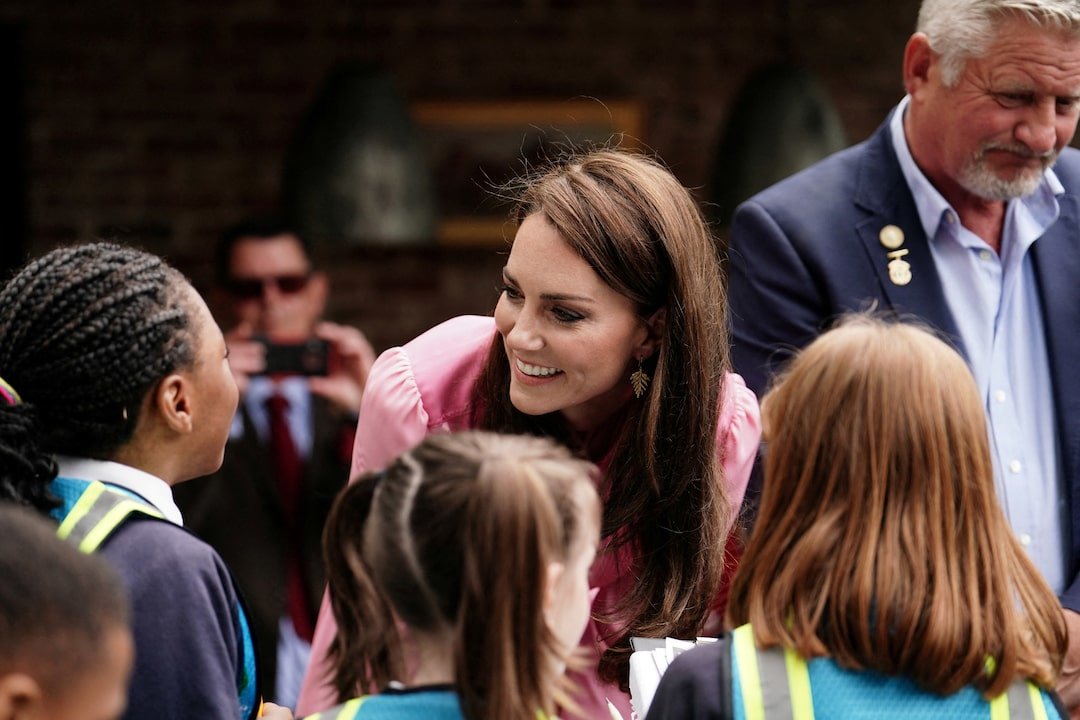
The Princess of Wales is expected to observe how these schools have developed innovative educational models, with a focus on sustainability, creativity in learning environments, and long-term community impact.
Her visit forms part of a broader pattern of royal engagements that emphasize early childhood development, education reform, and mental health support for young people.
The key significance of the trip lies in its intersection of historical memory and present-day policy relevance.
The post-war reconstruction narrative provides a symbolic framework for discussing resilience, community rebuilding, and the role of education in national recovery.
By engaging with institutions rooted in that history, the visit connects contemporary educational priorities with Europe’s reconstruction-era legacy.
Royal visits of this nature typically serve multiple functions: reinforcing bilateral cultural ties, drawing attention to social initiatives, and amplifying public awareness of specific policy areas.
In this case, education innovation and historical remembrance are being brought together within a single diplomatic and cultural narrative.
The Princess of Wales has increasingly focused her public work on early years development and education-related causes, positioning these themes as central to her role within the royal household’s modern public engagement strategy.
This visit aligns with that trajectory, emphasizing structured learning environments and long-term social investment in children.
The broader implications of such engagements extend beyond symbolism.
Royal attention often increases visibility for educational programs and can support fundraising, policy interest, and international collaboration.
While not directly legislative, these visits contribute to shaping public discourse around education priorities and institutional development.
The immediate outcome of the visit will be renewed attention on how historical reconstruction efforts continue to influence present-day educational infrastructure in parts of Europe, reinforcing the link between post-war recovery and modern schooling systems.
The visit reflects the continuing role of the British royal family in cultural diplomacy and soft-power engagement, particularly through education-focused initiatives.
The schools at the center of the visit were established in the post-war period, when material shortages across Europe led communities to contribute scrap metal for reconstruction projects.
In this case, those donations were used to help build educational infrastructure, creating institutions that have since evolved into modern learning environments while retaining their historical origins.
The Princess of Wales is expected to observe how these schools have developed innovative educational models, with a focus on sustainability, creativity in learning environments, and long-term community impact.
Her visit forms part of a broader pattern of royal engagements that emphasize early childhood development, education reform, and mental health support for young people.
The key significance of the trip lies in its intersection of historical memory and present-day policy relevance.
The post-war reconstruction narrative provides a symbolic framework for discussing resilience, community rebuilding, and the role of education in national recovery.
By engaging with institutions rooted in that history, the visit connects contemporary educational priorities with Europe’s reconstruction-era legacy.
Royal visits of this nature typically serve multiple functions: reinforcing bilateral cultural ties, drawing attention to social initiatives, and amplifying public awareness of specific policy areas.
In this case, education innovation and historical remembrance are being brought together within a single diplomatic and cultural narrative.
The Princess of Wales has increasingly focused her public work on early years development and education-related causes, positioning these themes as central to her role within the royal household’s modern public engagement strategy.
This visit aligns with that trajectory, emphasizing structured learning environments and long-term social investment in children.
The broader implications of such engagements extend beyond symbolism.
Royal attention often increases visibility for educational programs and can support fundraising, policy interest, and international collaboration.
While not directly legislative, these visits contribute to shaping public discourse around education priorities and institutional development.
The immediate outcome of the visit will be renewed attention on how historical reconstruction efforts continue to influence present-day educational infrastructure in parts of Europe, reinforcing the link between post-war recovery and modern schooling systems.