UK Local Elections Put Starmer Under Pressure as Reform UK Gains Momentum
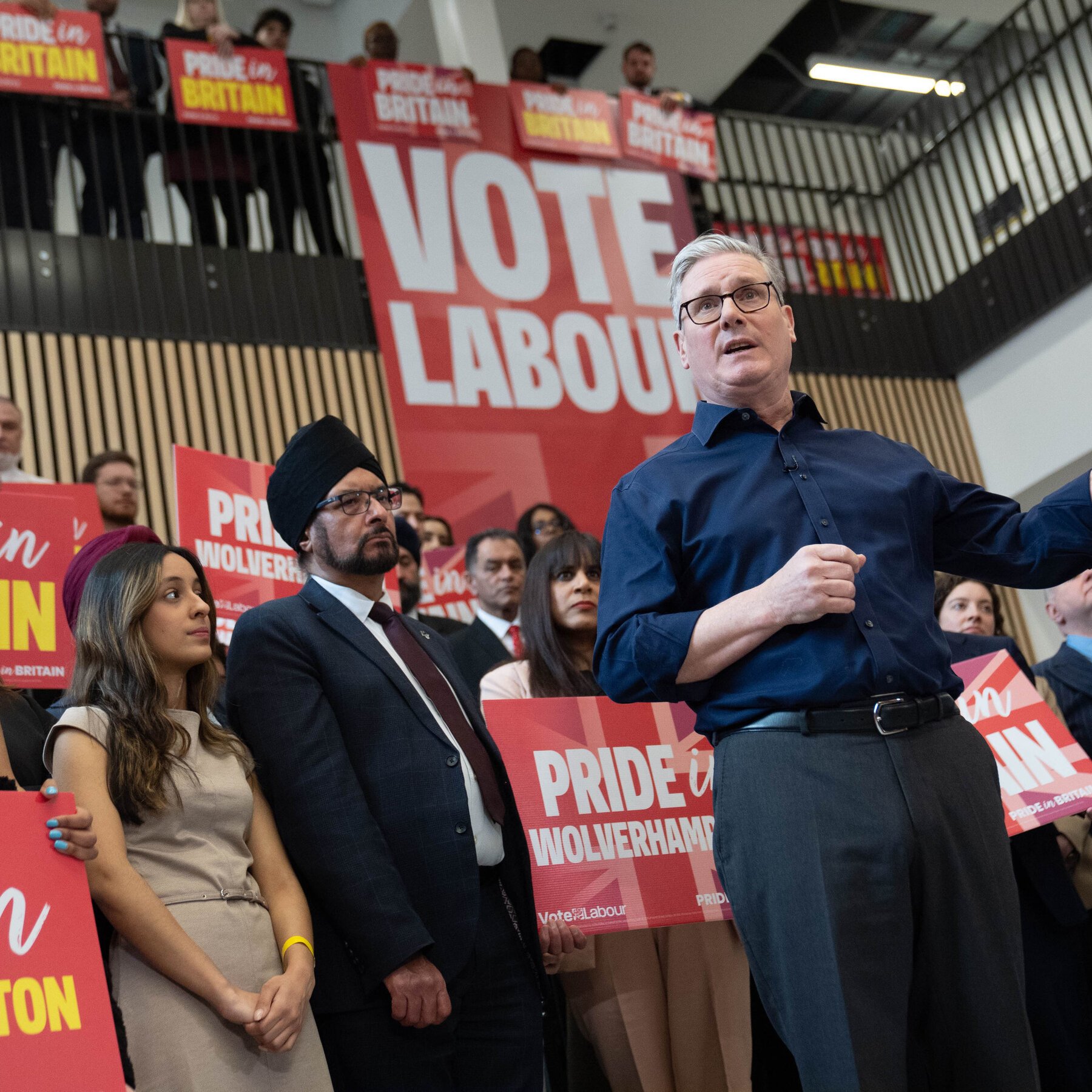
A set of local council contests has become an early political stress test for Labour leader Keir Starmer, with Reform UK positioning itself as a disruptive force in British politics.
Actor-driven political competition is shaping the significance of a set of local elections in the United Kingdom, where Keir Starmer’s Labour Party is facing its first major electoral stress test against a rising Reform UK movement.
These contests, spread across multiple councils and mayoral posts, function as a mid-term barometer of voter sentiment toward the main national parties, long before a general election.
Local elections in the UK typically decide control of municipal councils responsible for services such as housing, waste collection, local planning, and social care.
While they do not determine national government, they are widely interpreted as a measure of public satisfaction with party leadership and policy direction.
For opposition parties, they are an opportunity to demonstrate momentum; for governing or leading parties, they are a test of discipline and voter retention.
The central political tension in this cycle is the emergence of Reform UK as a competitive force in certain constituencies.
The party has sought to position itself as an alternative for voters disillusioned with both Labour and the Conservatives, particularly on issues such as immigration, taxation, and trust in political institutions.
Its gains in polling and local contest expectations have reshaped the strategic calculations of the major parties, forcing them to address voter fragmentation rather than rely on traditional two-party dominance.
For Labour under Keir Starmer, the elections are less about immediate control of councils and more about narrative control.
Strong performance would reinforce claims of electoral readiness and national credibility.
Weak results, especially losses to Reform UK in areas previously considered safe, would raise questions about policy positioning and voter appeal beyond core urban strongholds.
The pressure is amplified by the fact that local elections often have lower turnout, meaning small shifts in voter motivation can produce outsized political interpretations.
Reform UK’s rise in this context reflects a broader pattern seen across several European democracies, where smaller populist or insurgent parties gain traction during periods of economic strain and political dissatisfaction.
However, translating local gains into national-level power remains structurally difficult under the UK’s first-past-the-post electoral system, which tends to favor large, established parties.
The consequences of these elections extend beyond immediate seat counts.
They influence internal party dynamics, media narratives, and donor confidence.
For Labour, they shape expectations about leadership strength and policy direction ahead of any general election campaign.
For Reform UK, they determine whether momentum can be sustained or whether support remains geographically and politically limited.
The results also feed into broader questions about political fragmentation in the UK, where voter loyalty has become more volatile and traditional party alignment less predictable.
That instability is now a defining feature of the electoral landscape, and these local contests provide one of the clearest real-time indicators of how it is evolving.
These contests, spread across multiple councils and mayoral posts, function as a mid-term barometer of voter sentiment toward the main national parties, long before a general election.
Local elections in the UK typically decide control of municipal councils responsible for services such as housing, waste collection, local planning, and social care.
While they do not determine national government, they are widely interpreted as a measure of public satisfaction with party leadership and policy direction.
For opposition parties, they are an opportunity to demonstrate momentum; for governing or leading parties, they are a test of discipline and voter retention.
The central political tension in this cycle is the emergence of Reform UK as a competitive force in certain constituencies.
The party has sought to position itself as an alternative for voters disillusioned with both Labour and the Conservatives, particularly on issues such as immigration, taxation, and trust in political institutions.
Its gains in polling and local contest expectations have reshaped the strategic calculations of the major parties, forcing them to address voter fragmentation rather than rely on traditional two-party dominance.
For Labour under Keir Starmer, the elections are less about immediate control of councils and more about narrative control.
Strong performance would reinforce claims of electoral readiness and national credibility.
Weak results, especially losses to Reform UK in areas previously considered safe, would raise questions about policy positioning and voter appeal beyond core urban strongholds.
The pressure is amplified by the fact that local elections often have lower turnout, meaning small shifts in voter motivation can produce outsized political interpretations.
Reform UK’s rise in this context reflects a broader pattern seen across several European democracies, where smaller populist or insurgent parties gain traction during periods of economic strain and political dissatisfaction.
However, translating local gains into national-level power remains structurally difficult under the UK’s first-past-the-post electoral system, which tends to favor large, established parties.
The consequences of these elections extend beyond immediate seat counts.
They influence internal party dynamics, media narratives, and donor confidence.
For Labour, they shape expectations about leadership strength and policy direction ahead of any general election campaign.
For Reform UK, they determine whether momentum can be sustained or whether support remains geographically and politically limited.
The results also feed into broader questions about political fragmentation in the UK, where voter loyalty has become more volatile and traditional party alignment less predictable.
That instability is now a defining feature of the electoral landscape, and these local contests provide one of the clearest real-time indicators of how it is evolving.