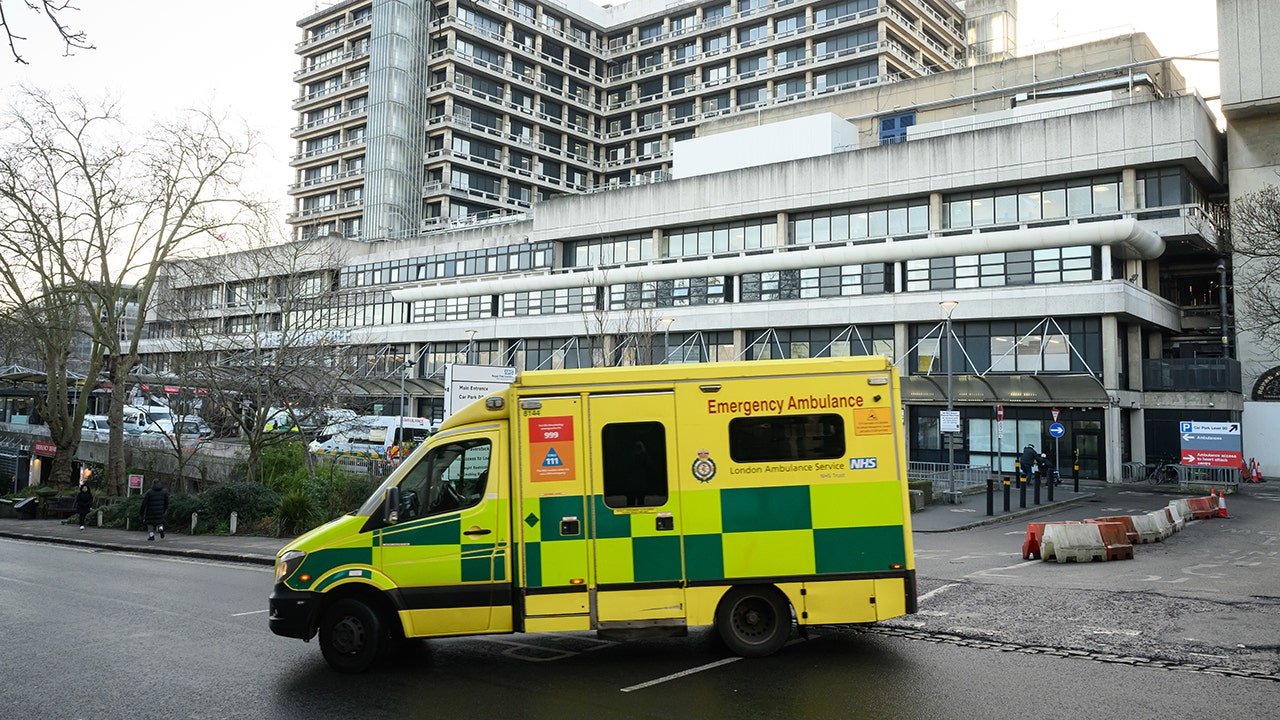
UK Health System Faces Winter Strain Amid Calls to Ease Pressure on Hospitals
The United Kingdom’s National Health Service has come under intense scrutiny in recent days, with officials imploring the public to avoid hospitals for non-urgent care as winter pressures and long waiting lists push the system to its limits. NHS leaders have reiterated longstanding concerns about capacity and patient flow as a surge in seasonal illnesses and the impact of recent doctors’ strikes compound existing backlogs that already number in the millions. Ministers and health officials warned that Accident & Emergency departments are particularly strained, and have asked people to seek alternative care options where appropriate to allow NHS staff to focus on the most critical cases. The plea follows weeks of heightened debate about the state of the British health service, including an opinion column in the Washington Post that described deep systemic challenges and urged reform of the single-payer model to address prolonged wait times, workforce shortages and treatment delays. Critics of the NHS’s performance point to figures showing millions of patients waiting for elective care and significant numbers waiting longer than target times for treatment, reflecting a rising imbalance between demand and capacity. The UK Health Minister has pledged to prevent further industrial action by hospital doctors and resume negotiations with medical unions to stabilise the workforce and improve service delivery during one of the busiest periods of the year. He praised staff for managing dual pressures from seasonal illness surges and staffing disputes, and outlined plans to prevent further disruptions. Government and NHS leaders reaffirmed commitments to long-term reform plans, including expanding community diagnostic services and elective care hubs designed to relieve pressure on acute hospitals. They emphasised that encouraging patients to reserve emergency departments for urgent needs is a temporary but necessary measure to preserve quality care and reduce harmful delays for those in greatest need. Projections indicate sustained pressure through the coming months, underscoring the need for both short-term management and structural reforms to enhance resilience and improve patient outcomes across the health service.