
UK Election Night Explained: What Voters Should Watch and When Results Will Land
Polls close at 10pm on Thursday as millions vote in local and devolved elections across the UK, with early results expected overnight and the bulk arriving on Friday and Saturday
The United Kingdom’s 2026 election cycle is being driven by a SYSTEM-DRIVEN process: a coordinated set of local and devolved elections taking place under different electoral systems across England, Scotland, and Wales on the same day.
That structure determines not only what voters decide, but also when the country will learn the outcome and how political impact will be interpreted.
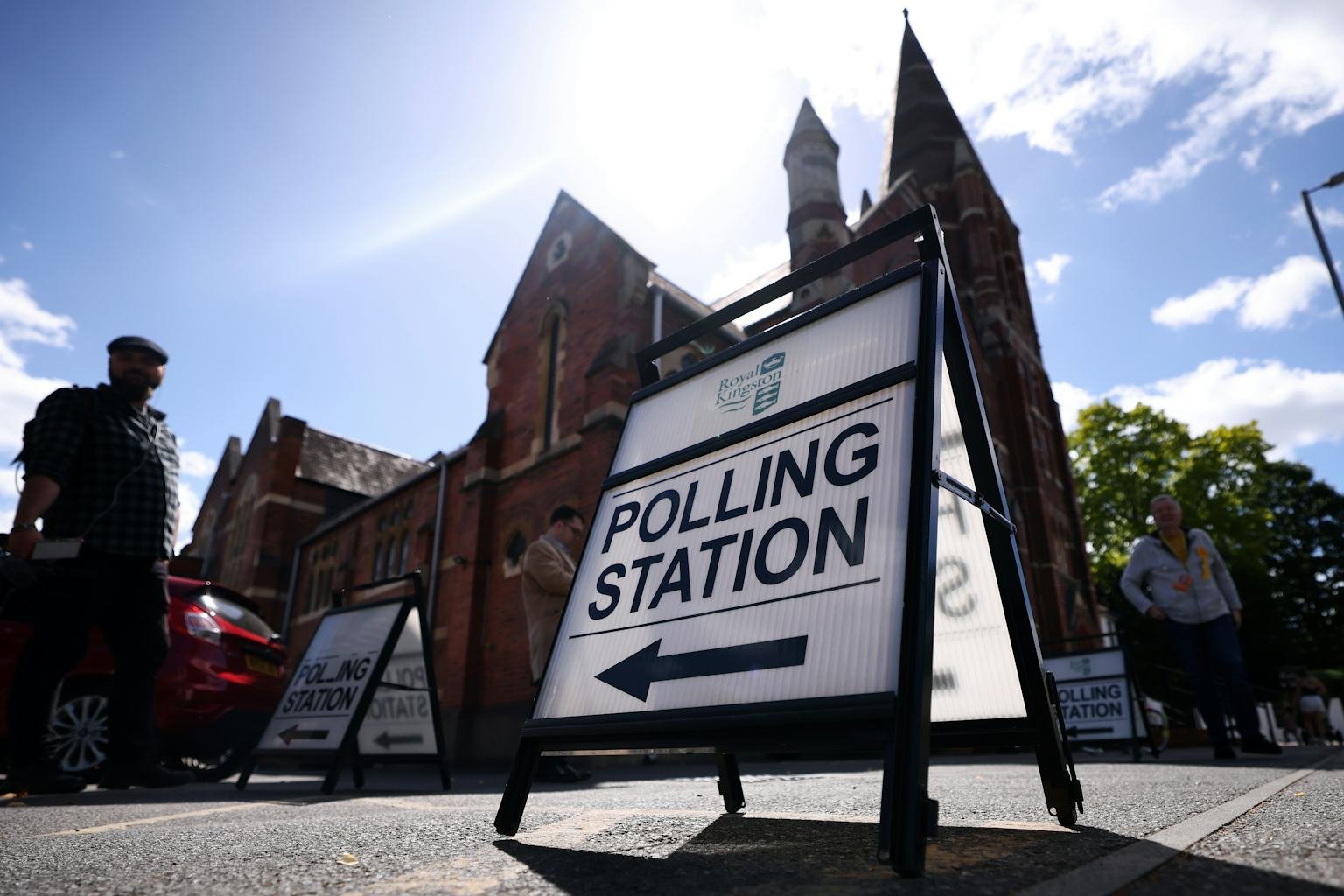
Polling stations opened across the UK on Thursday and will close at 10pm, after which the counting process begins.
The scale is unusually large.
In England alone, voters are electing more than four thousand councillors across more than one hundred local authorities, alongside mayoral contests in several areas.
Scotland is voting for all members of its parliament, while Wales is electing members to its devolved legislature under a revised electoral system that changes constituency boundaries and representation rules.
What is immediately confirmed is that results will not come in as a single overnight moment.
Unlike a general election, most local counts are slower and staggered.
Only a limited number of councils begin counting immediately after polls close, meaning early declarations are expected in the early hours of Friday, with the first results potentially emerging around 1am.
These early results typically come from smaller or faster-counting councils.
The majority of English council results are expected on Friday, but the full national picture will not be complete until later in the day or even Saturday in some areas.
Scotland and Wales will also contribute results on different timelines due to their separate electoral systems and counting procedures.
This creates a multi-day flow of data rather than a single decisive moment.
The key issue shaping attention is not just who wins individual councils, but the aggregate political signal.
Local elections in the UK often function as a mid-term assessment of national government performance.
Analysts focus on whether governing parties are losing ground across broad regions or whether opposition parties are consolidating gains in specific areas.
Another central feature of the night is uneven visibility.
Early results tend to come from a small subset of councils that complete counts quickly, which can create a misleading early impression of national trends.
Larger metropolitan authorities and tightly contested areas often report later, sometimes changing the direction of the overall narrative as counting continues.
Voters are also operating under updated administrative requirements.
In England, photo identification is required to vote at polling stations, a rule introduced in recent electoral reforms.
That affects turnout mechanics but does not influence ballot counting, which remains a manual or semi-manual process depending on the authority.
The stakes of the results extend beyond local governance.
Because council elections cover services such as housing, transport, and social care, they directly affect local policy direction.
Politically, however, they are closely watched as indicators of national sentiment, particularly in the first major electoral test since the previous general election cycle.
By Friday morning, partial results will begin shaping national headlines, but the full electoral picture will only stabilise once most councils have declared.
The final confirmed outcomes will determine control of local authorities across England and the composition of devolved legislatures in Scotland and Wales, setting the political baseline for the next phase of UK governance.
That structure determines not only what voters decide, but also when the country will learn the outcome and how political impact will be interpreted.
Polling stations opened across the UK on Thursday and will close at 10pm, after which the counting process begins.
The scale is unusually large.
In England alone, voters are electing more than four thousand councillors across more than one hundred local authorities, alongside mayoral contests in several areas.
Scotland is voting for all members of its parliament, while Wales is electing members to its devolved legislature under a revised electoral system that changes constituency boundaries and representation rules.
What is immediately confirmed is that results will not come in as a single overnight moment.
Unlike a general election, most local counts are slower and staggered.
Only a limited number of councils begin counting immediately after polls close, meaning early declarations are expected in the early hours of Friday, with the first results potentially emerging around 1am.
These early results typically come from smaller or faster-counting councils.
The majority of English council results are expected on Friday, but the full national picture will not be complete until later in the day or even Saturday in some areas.
Scotland and Wales will also contribute results on different timelines due to their separate electoral systems and counting procedures.
This creates a multi-day flow of data rather than a single decisive moment.
The key issue shaping attention is not just who wins individual councils, but the aggregate political signal.
Local elections in the UK often function as a mid-term assessment of national government performance.
Analysts focus on whether governing parties are losing ground across broad regions or whether opposition parties are consolidating gains in specific areas.
Another central feature of the night is uneven visibility.
Early results tend to come from a small subset of councils that complete counts quickly, which can create a misleading early impression of national trends.
Larger metropolitan authorities and tightly contested areas often report later, sometimes changing the direction of the overall narrative as counting continues.
Voters are also operating under updated administrative requirements.
In England, photo identification is required to vote at polling stations, a rule introduced in recent electoral reforms.
That affects turnout mechanics but does not influence ballot counting, which remains a manual or semi-manual process depending on the authority.
The stakes of the results extend beyond local governance.
Because council elections cover services such as housing, transport, and social care, they directly affect local policy direction.
Politically, however, they are closely watched as indicators of national sentiment, particularly in the first major electoral test since the previous general election cycle.
By Friday morning, partial results will begin shaping national headlines, but the full electoral picture will only stabilise once most councils have declared.
The final confirmed outcomes will determine control of local authorities across England and the composition of devolved legislatures in Scotland and Wales, setting the political baseline for the next phase of UK governance.