

The models fight back: how fashion is finally getting its #MeToo reckoning
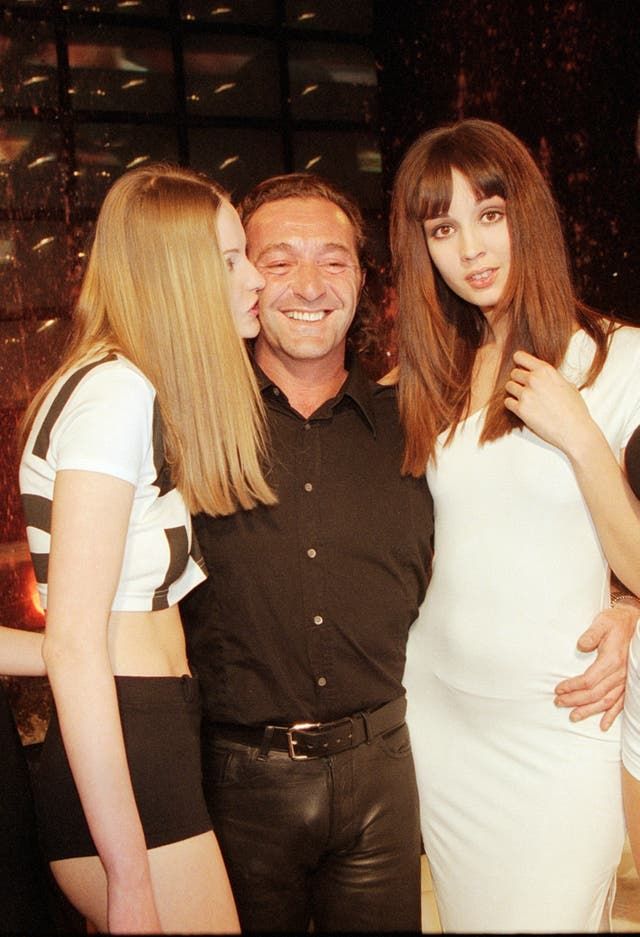
This month, as the world geared up for the first face-to-face fashion month post-Covid, some of the industry’s biggest names were preparing for a different type of reunion. Just as models started strutting down the catwalks of New York, former top models including Carré Otis were flying into their own old fashion stomping ground, Paris, to testify against one of the world’s most powerful former fashion chiefs, Gérald Marie, now accused of rape and sexual misconduct by at least 24 women.
Marie, 71, was once the European boss of Elite Model Management, the gatekeeper of an exclusive industry who could make or break a model’s career. He was married to Linda Evangelista, one of the ultimate faces in the exclusive gang of supers who dominated runways in the 80s and 90s (they divorced in 1993); his agency launched the careers of Naomi Campbell and Cindy Crawford. The allegations, by more than a dozen women - which he strongly denies - date back to the 1980s and 1990s, and technically fall outside France’s statute of limitations because they are more than 20 years old. But these high-profile former models hope their stories will help encourage other victims, whose allegations do fall within the statute of limitations, to come forward.
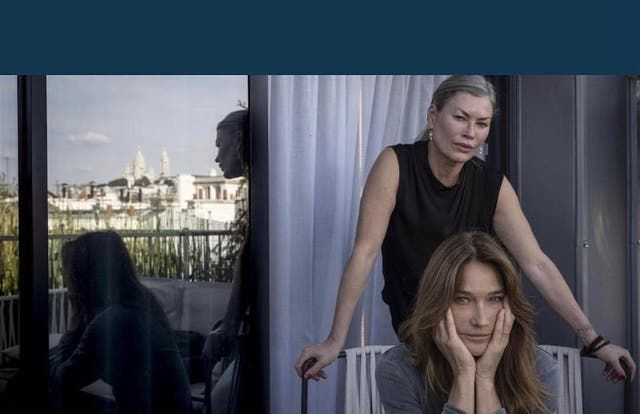
“Enough is enough - I stand with the survivors of Gérald Marie,” declared Carla Bruni, one of the most notable models of the Nineties and the former first lady of France. She was not a victim herself but is in Paris to support her friend and former supermodel Otis, who is leading the group of seven women testifying in Paris.
Their allegations read like a dossier from the original #MeToo outcry in 2017. Former models say they were raped by the former fashion mogul; that they were sexually assaulted inside his office; a former journalist, Lisa Brinkworth, who alleges she was assaulted by Marie while working undercover on a BBC exposé of the modelling industry, which was later dropped. At the time, young models were taught to view “sexual harassment as a compliment,” former model Paulina Porizkova told reporters in Paris, as she stood in solidarity with the women accusing Marie. “As models, we weren’t paid for our talents. We were renting our body and face. Your body wasn’t your own.”
The testimony is being called the second act of fashion’s #MeToo movement, three years after the industry first claimed it was changing its ways following the fallout of the Harvey Weinstein scandal. Then, several male fashion leaders became the subject of allegations: Conde Nast - publisher of Vogue and GQ - and fashion houses Valentino and Bulgari announced they would stop using photographer Terry Richardson, who has long faced accusations of inappropriate behaviour including allegations (which he strongly denies) that he forced his penis into women’s faces. Later that year, photographer Bruce Weber was accused of molesting two male models. The following month, Mario Testino faced similar allegations. Weber and Testino both issued strong denials.
Such grotesque acts fell at the extreme end of a wider culture of “pranks, sexually explicit jokes [and] suggestive comments,” British supermodel Edie Campbell wrote in a blistering open letter around the same time. “These all slide under the radar in a ‘fun’ and ‘creative’ industry like fashion. Please note the irony of tone.”
Campbell is not the only Vogue covergirl to go on record accusing the industry that made her of turning a blind eye to rampant abuse. Model Karen Elson - one of the industry’s most famous British exports, with 35 Vogue covers under her belt, and campaigns for everyone from Alexander McQueen to Saint Laurent - has made it her mission to lift the lid on the “toxic” fashion industry. In May, she announced that she is leaving all of her modelling agencies and will now represent herself. “Magazines shift the blame on agents, agents shift the blame on the clients, and no one wants to take real responsibility for the things we all know occur,” she wrote in a widely-shared post on Instagram last week. “We need to figure out why the fashion industry enables so much toxicity and finally make positive changes for the better.”
She has called out fashion for its “emotional abuse, harassment, body image pressures and a work load that gives them little time for rest and recovery”, and accuses the industry of creating a “veil of secrecy and silence”. Elson, who says she was once approached by a model scout who tried to coerce her into having sex in a club in Paris, has set up Zoom mentorship sessions for young models on bullying, coercion and harassment and says she has been “shocked” by the number of top models reaching out with “horrific” stories. “While I love my job most of the time, like many others I’ve had to endure a lot during the past 25 years.”
The industry protests that it has made gestures towards changing its safety measures and codes of conduct. Paris-based conglomerates LVMH and Kering — responsible for major luxury brands including Dior, Fendi, Gucci and Alexander McQueen — created a new ‘model charter’. Condé Nast revealed a new code of conduct including a ban on models under 18 and the prohibition of alcohol on set. And the British Fashion Model Agents Association was set up, featuring a confidential helpline to give advice to models.
However industry insiders insisted these were mostly just “PR moves” and there have been calls for an independent, international regulatory body. In a rare interview in January, Kate Moss - arguably the biggest name in British fashion - admitted to feeling “terribly uncomfortable” on many of her early shoots. That same month fellow model Daisy Lowe revealed that a famous photographer once exposed himself to her in a “hideous” incident on set when she was a teenager.
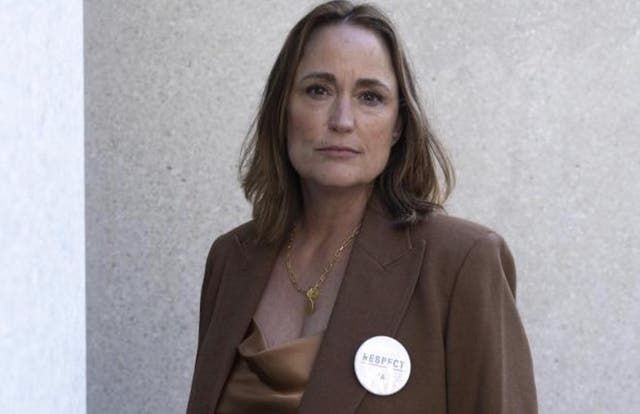
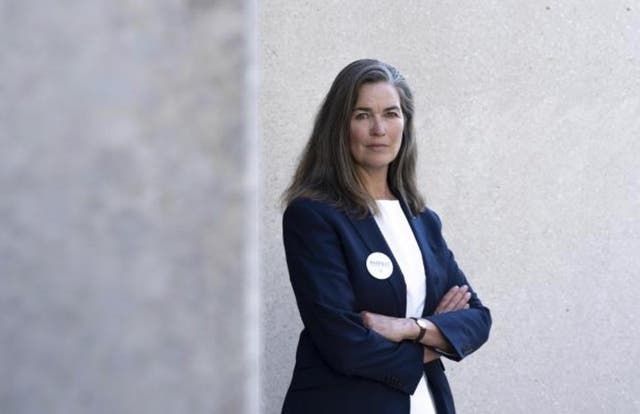
“The fashion industry loves to say when a scandal happens, we’ll do better, we’re listening, we’re learning,” Elson has said. “And it may be for a little while, but it always returns back to where it was.” Sara Ziff, the founder of nonprofit advocacy group Model Alliance who encouraged Bruni and others to speak out against Marie, agrees. “Despite the #MeToo and #TimesUp movements, the fashion industry has largely escaped any serious scrutiny that has compelled people in positions of power to change the way they do business,” she told the New York Times this week.
Can 2021 prove to be a watershed moment? As all eyes turn to London for fashion week, which opens today, the case - and accusations by models like Elson - will be the talk of the f’rows and the parties that will return finally after an enforced Covid hiatus. The rise of social media, which gives models a voice, has been an important tool in opening up the industry - and liberating models to be more open about abuse.
But agencies and casting directors still wield extraordinary power and many fear the cost of raising their head above the parapet. Fashion is an industry that deals in youth - many of the inexperienced young models may not have the confident to speak out when something isn’t right.
Certainly, for Ziff, this month’s testimony in Paris isn’t just about justice for Marie’s victims, but about sending a message to all women in the industry - and beyond. “This is about the fashion industry, but it could also have wider implications for how we think about women’s work. If we can’t win protections against child sex trafficking for some of the most privileged and visible women in the world, then where does that leave us?”