Scientists Warn UK Floods Could Devastate Wildlife From Birds to Dormice
Conservation experts say repeated winter flooding is threatening fragile ecosystems and pushing vulnerable species toward long-term decline
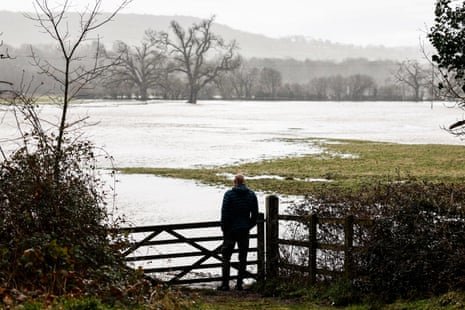
Environmental scientists and conservation experts are warning that the scale and frequency of flooding across parts of the United Kingdom could have severe and lasting consequences for wildlife, including birds, butterflies and dormice, with some describing the potential impact as apocalyptic for already stressed ecosystems.
Following successive months of heavy rainfall and widespread flooding, specialists say habitats essential for breeding, feeding and hibernation have been inundated or destroyed at a critical point in the annual life cycle of many species.
Ground-nesting birds are among the most exposed, as saturated soils and submerged grasslands reduce nesting success and food availability.
Experts note that prolonged waterlogging disrupts insect populations that many birds rely on to feed their young, compounding the effects of habitat loss.
Butterflies, particularly species whose larvae depend on specific plants, are also at risk as floods wash away vegetation and alter delicate micro-habitats that cannot easily recover.
Dormice, which hibernate through winter in woodland and hedgerow environments, face heightened danger from flooding that penetrates underground nests or strips away cover needed for insulation and protection.
Conservationists warn that repeated flood events can lead to increased mortality during hibernation and make it harder for populations to rebound in spring.
Smaller mammals and amphibians are experiencing similar pressures, according to field observations.
Researchers emphasise that while flooding is a natural process, the intensity now being observed is linked to broader climatic shifts and landscape changes that reduce natural flood mitigation.
They argue that without stronger habitat restoration, improved land management and expanded nature-based flood defences, wildlife will struggle to adapt.
The concern is not limited to individual species but extends to entire ecosystems, with knock-on effects for biodiversity and long-term environmental resilience.
As flood risks continue to rise, scientists are urging policymakers and land managers to treat wildlife impacts as a central consideration in flood response and climate adaptation strategies, warning that failure to act could accelerate declines already underway across the UK’s natural environment.
Following successive months of heavy rainfall and widespread flooding, specialists say habitats essential for breeding, feeding and hibernation have been inundated or destroyed at a critical point in the annual life cycle of many species.
Ground-nesting birds are among the most exposed, as saturated soils and submerged grasslands reduce nesting success and food availability.
Experts note that prolonged waterlogging disrupts insect populations that many birds rely on to feed their young, compounding the effects of habitat loss.
Butterflies, particularly species whose larvae depend on specific plants, are also at risk as floods wash away vegetation and alter delicate micro-habitats that cannot easily recover.
Dormice, which hibernate through winter in woodland and hedgerow environments, face heightened danger from flooding that penetrates underground nests or strips away cover needed for insulation and protection.
Conservationists warn that repeated flood events can lead to increased mortality during hibernation and make it harder for populations to rebound in spring.
Smaller mammals and amphibians are experiencing similar pressures, according to field observations.
Researchers emphasise that while flooding is a natural process, the intensity now being observed is linked to broader climatic shifts and landscape changes that reduce natural flood mitigation.
They argue that without stronger habitat restoration, improved land management and expanded nature-based flood defences, wildlife will struggle to adapt.
The concern is not limited to individual species but extends to entire ecosystems, with knock-on effects for biodiversity and long-term environmental resilience.
As flood risks continue to rise, scientists are urging policymakers and land managers to treat wildlife impacts as a central consideration in flood response and climate adaptation strategies, warning that failure to act could accelerate declines already underway across the UK’s natural environment.