
DOJ Unveils Millions of Epstein Files, Fueling Global Scrutiny of Elite Networks
Release of over 3 million pages, 180,000 images and 2,000 videos under a new law reveals thousands of emails involving high‑profile figures without indicating wrongdoing
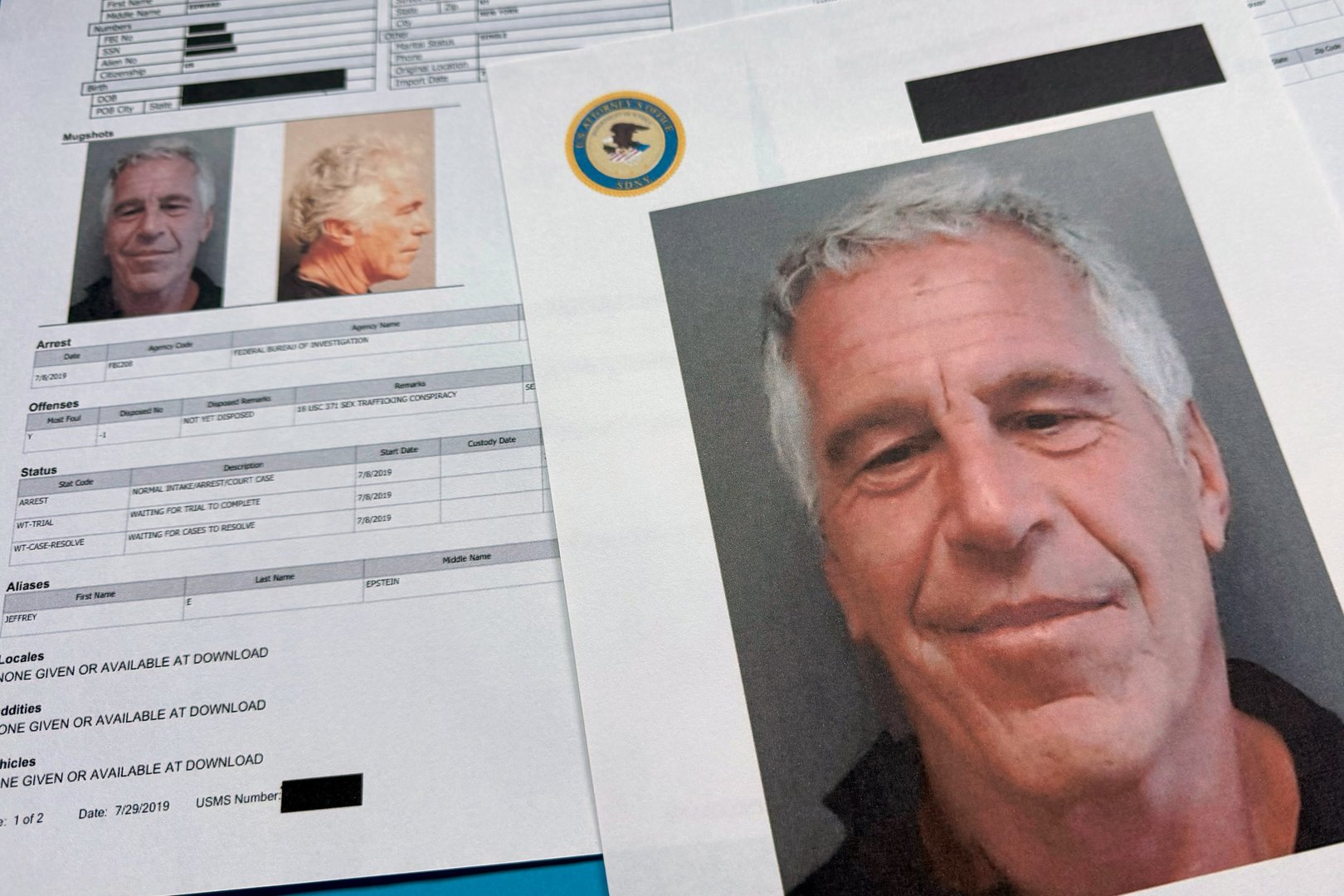
On January 30, 2026, the United States Department of Justice released an unprecedented cache of records related to convicted sex offender Jeffrey Epstein, fulfilling a legal mandate to make investigative materials public and offering the most extensive set of documents disclosed to date.
The trove includes more than three million pages of text, around 180,000 images and roughly 2,000 videos connected to federal inquiries into Epstein’s alleged sex trafficking operations and associations with powerful figures around the world.
Deputy Attorney General Todd Blanche said the release was the result of a comprehensive identification and review process to comply with the Epstein Files Transparency Act, passed by Congress and signed into law in late 2025, but millions of pages remain under review or redaction to protect sensitive information.
The newly released material spans decades of correspondence, financial records, flight logs, court filings and investigative reports, and includes communications involving politicians, business leaders and cultural figures.
Among the high‑profile names referenced are former U.S. President Donald Trump, Britain’s Andrew Mountbatten‑Windsor (formerly Prince Andrew), Microsoft co‑founder Bill Gates and tech CEO Elon Musk; none are accused of criminal conduct based solely on inclusion in the files.
Several emails with Mountbatten‑Windsor and Sarah Ferguson, Duchess of York, were exchanged in the early 2010s, reflecting social contact rather than documented unlawful behaviour.
Another batch shows Epstein sending £10,000 to the husband of Lord Peter Mandelson in 2009, and other correspondence describes social invitations and logistical exchanges — details that commentators say illustrate the financier’s social reach without demonstrating illegal acts by addressees.
The release also includes drafts attributed to Epstein that reference lurid allegations involving Gates without clear evidence those messages were sent or received, and a set of communications in which Musk discussed potential social visits to Epstein’s properties, including party plans tied to his Caribbean island; Musk has denied visiting and called any misinterpretation of the correspondence a risk to his reputation.
President Trump’s name appears in a large volume of entries, including summaries of unverified tips submitted to the FBI’s National Threat Operations Center; the Justice Department has characterised those tips as unsubstantiated and false.
Survivors’ advocates, however, have criticised aspects of the release, saying that redactions sometimes leave victim names legible and that public disclosure of such personal details may harm those already traumatised by Epstein’s criminal conduct.
Confirmed vs unclear: What we can confirm is that the DOJ released more than three million pages of documents, images and videos under the Epstein Files Transparency Act that reference multiple prominent individuals; what’s still unclear is whether additional material remains to be disclosed and how much of the unposted files would bear on ongoing investigations.
The files’ contents underscore tensions between transparency, privacy and legal process, as investigators balance public access with the need to protect victims and preserve active inquiries.
The release marks a high‑water moment in public access to federal investigative material on Epstein and his network.
By making such voluminous content available, the government has given researchers, journalists and the wider public a detailed archive of interactions that span continents and sectors without establishing culpability for those mentioned.
The broader implications for global political, corporate and social elites — from litigation risks to reputational impacts — are only beginning to be understood, and efforts to review the material are likely to continue well into the year.
What to watch next:
- Whether the Department of Justice publishes additional materials beyond the current release under the Epstein Files Transparency Act
- Congressional scrutiny or hearings on the decision to withhold or redact specific documents
- Legal motions or civil suits seeking access to still‑unreleased records
- Survivor advocacy group responses to the public exposure of victim names or images
- Any judicial or prosecutorial action emerging from previously unexamined investigative leads
- Reactions from individuals named in the files concerning context and interpretation
- International responses to revelations involving non‑U.S. residents or political figures
- Editorial and academic analyses of the impact on public trust and elite accountability
The trove includes more than three million pages of text, around 180,000 images and roughly 2,000 videos connected to federal inquiries into Epstein’s alleged sex trafficking operations and associations with powerful figures around the world.
Deputy Attorney General Todd Blanche said the release was the result of a comprehensive identification and review process to comply with the Epstein Files Transparency Act, passed by Congress and signed into law in late 2025, but millions of pages remain under review or redaction to protect sensitive information.
The newly released material spans decades of correspondence, financial records, flight logs, court filings and investigative reports, and includes communications involving politicians, business leaders and cultural figures.
Among the high‑profile names referenced are former U.S. President Donald Trump, Britain’s Andrew Mountbatten‑Windsor (formerly Prince Andrew), Microsoft co‑founder Bill Gates and tech CEO Elon Musk; none are accused of criminal conduct based solely on inclusion in the files.
Several emails with Mountbatten‑Windsor and Sarah Ferguson, Duchess of York, were exchanged in the early 2010s, reflecting social contact rather than documented unlawful behaviour.
Another batch shows Epstein sending £10,000 to the husband of Lord Peter Mandelson in 2009, and other correspondence describes social invitations and logistical exchanges — details that commentators say illustrate the financier’s social reach without demonstrating illegal acts by addressees.
The release also includes drafts attributed to Epstein that reference lurid allegations involving Gates without clear evidence those messages were sent or received, and a set of communications in which Musk discussed potential social visits to Epstein’s properties, including party plans tied to his Caribbean island; Musk has denied visiting and called any misinterpretation of the correspondence a risk to his reputation.
President Trump’s name appears in a large volume of entries, including summaries of unverified tips submitted to the FBI’s National Threat Operations Center; the Justice Department has characterised those tips as unsubstantiated and false.
Survivors’ advocates, however, have criticised aspects of the release, saying that redactions sometimes leave victim names legible and that public disclosure of such personal details may harm those already traumatised by Epstein’s criminal conduct.
Confirmed vs unclear: What we can confirm is that the DOJ released more than three million pages of documents, images and videos under the Epstein Files Transparency Act that reference multiple prominent individuals; what’s still unclear is whether additional material remains to be disclosed and how much of the unposted files would bear on ongoing investigations.
The files’ contents underscore tensions between transparency, privacy and legal process, as investigators balance public access with the need to protect victims and preserve active inquiries.
The release marks a high‑water moment in public access to federal investigative material on Epstein and his network.
By making such voluminous content available, the government has given researchers, journalists and the wider public a detailed archive of interactions that span continents and sectors without establishing culpability for those mentioned.
The broader implications for global political, corporate and social elites — from litigation risks to reputational impacts — are only beginning to be understood, and efforts to review the material are likely to continue well into the year.
What to watch next:
- Whether the Department of Justice publishes additional materials beyond the current release under the Epstein Files Transparency Act
- Congressional scrutiny or hearings on the decision to withhold or redact specific documents
- Legal motions or civil suits seeking access to still‑unreleased records
- Survivor advocacy group responses to the public exposure of victim names or images
- Any judicial or prosecutorial action emerging from previously unexamined investigative leads
- Reactions from individuals named in the files concerning context and interpretation
- International responses to revelations involving non‑U.S. residents or political figures
- Editorial and academic analyses of the impact on public trust and elite accountability