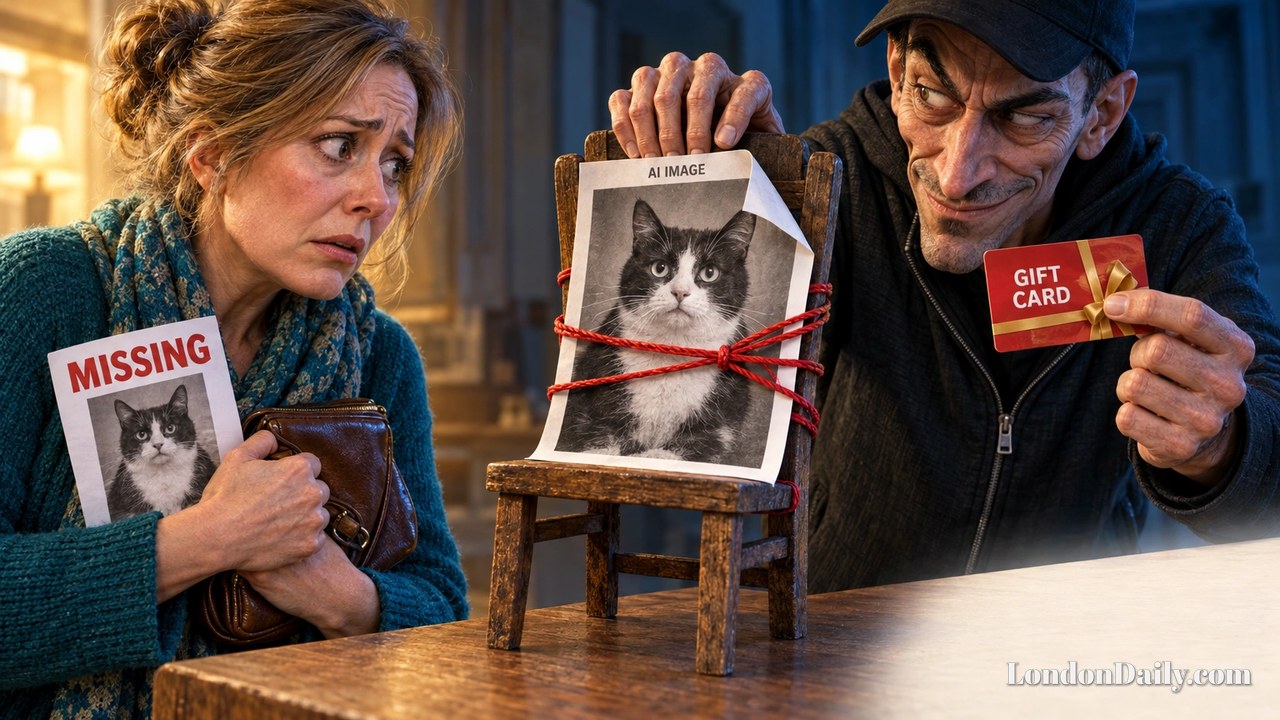
Fraudsters are using AI-generated pictures of missing pets to convince owners their animals have been found, then demanding money and threatening to kill them when payment is refused.
Three cat owners in Birmingham, Wednesbury and Northampton have reported encounters in which apparently convincing photographs turned hope into pressure to pay. One received a demand for £40,000.
Stephanie Young, a Birmingham foster carer, publicised Buddy’s disappearance from her garden in September last year through rescue sites and social media groups. Someone calling herself Melissa sent a fabricated picture, claimed to have fed him and requested a reward for her autistic grandchildren.
Young was “100% certain” Buddy had been found and withdrew cash. But the individual failed to attend an agreed meeting, rejected cash and demanded 100 Apple gift cards. When Young recognised the images as AI-generated and challenged the account, threats to “sell or murder” Buddy followed. Thirteen months after disappearing, he remained missing.
“They can hook you, the more they ask the more you think 'I better do it',” Young said.
Cam Chauhan, a 55-year-old supermarket worker from Wednesbury, received a convincing image nine months after Creed disappeared in July last year. She prepared to collect him, until her daughters questioned the photograph and paying before his return.
The scammer demanded a £200 Apple gift card, refusing to appear at an agreed meeting until it was bought and sent by text. Chauhan refused.
In Northampton, Sarah Robinson was contacted two weeks after Cookie disappeared by someone calling himself Kherson H. Despite his vague account of his location, she initially accepted a picture showing Cookie outside a window. He subsequently demanded £40,000 through a money transfer link and threatened to kill the cat when she refused.
“It's horrible, because you know it's not real but you're terrified it might be,” Robinson said.
That lingering uncertainty gives the threats their force: recognising a fabricated photograph does not necessarily remove an owner’s fear for a missing animal.
Almost £1.3bn was stolen by scammers in the UK in 2025, although that total is not specific to AI or pet scams. Aston University senior academic Dr Rasha Kassem said AI had made previously difficult fraud techniques accessible and free, while public awareness and safety guidance remained inadequate.
All three owners reported their experiences to Report Fraud, run by City of London Police. It advises seeing the pet in person before paying. Kassem advises against engaging with criminals demanding money and threatening animals: preserve information and report it to the authorities.








Join the conversation