Detectives are preparing to assess reports and intelligence concerning at least 10 more women following Russell Brand’s conviction for rape and sexual assault, while two further rape allegations are already under investigation.
The Metropolitan Police team behind the prosecution is expected to begin examining the fresh material next week. Police sources regard 10 as a conservative minimum, but the information varies: some is third-hand, and some alleged victims are reportedly reluctant to enter the criminal justice system. That estimate is not a confirmed tally of further offences.
Commissioner Sir Mark Rowley confirmed that files concerning the two rape cases had been submitted to specialist Crown Prosecution Service prosecutors. He declined to estimate how many more people might come forward.
“We’ve seen in the past with high-profile individuals who are brought to justice that it does often bring out a flood of other cases. Let’s see where this one goes,” he said.
Brand was convicted of raping one woman and sexually assaulting three others. Throughout his trial at Southwark Crown Court, he denied all seven charges: three counts of rape, three of sexual assault and one of attempted indecent assault. He remains in custody and is due to be sentenced on Monday.
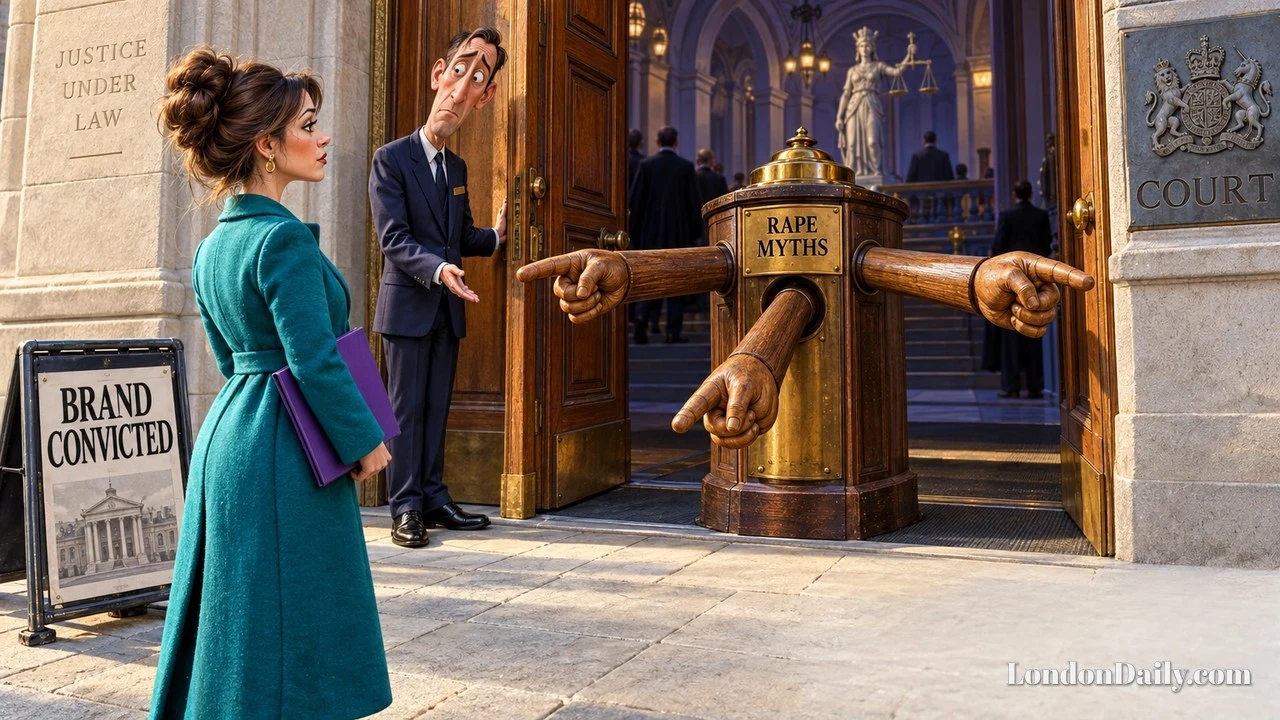
The trial has also prompted calls to change how courts address assumptions about the behaviour of rape complainants. Brand’s defence lawyer, Ian Winter KC, told the court that none of the complainants had “resisted or screamed or even tried to leave”. Rowley described some of what he heard from the trial as “close to victim blaming”.
Ms Waxman called for a legal duty in the Courts and Tribunals Bill requiring judges to direct juries about rape myths and misconceptions in every rape trial. She argued that expecting victims to scream, physically resist or report immediately reflected harmful, outdated assumptions, and that consistent directions would improve understanding of trauma.
“Justice must be grounded in evidence, not misconceptions,” she said.
Prime Minister Andy Burnham said he would examine Rowley’s concerns and review trial procedures so women did not feel they were themselves on trial. He said conviction rates had improved but remained insufficient, pledged more support for victims and did not rule out legislation.
No specific government change has yet been set out. The proposed judicial duty would address how juries assess evidence; the separate police inquiries must establish whether the fresh allegations warrant further action.








Join the conversation