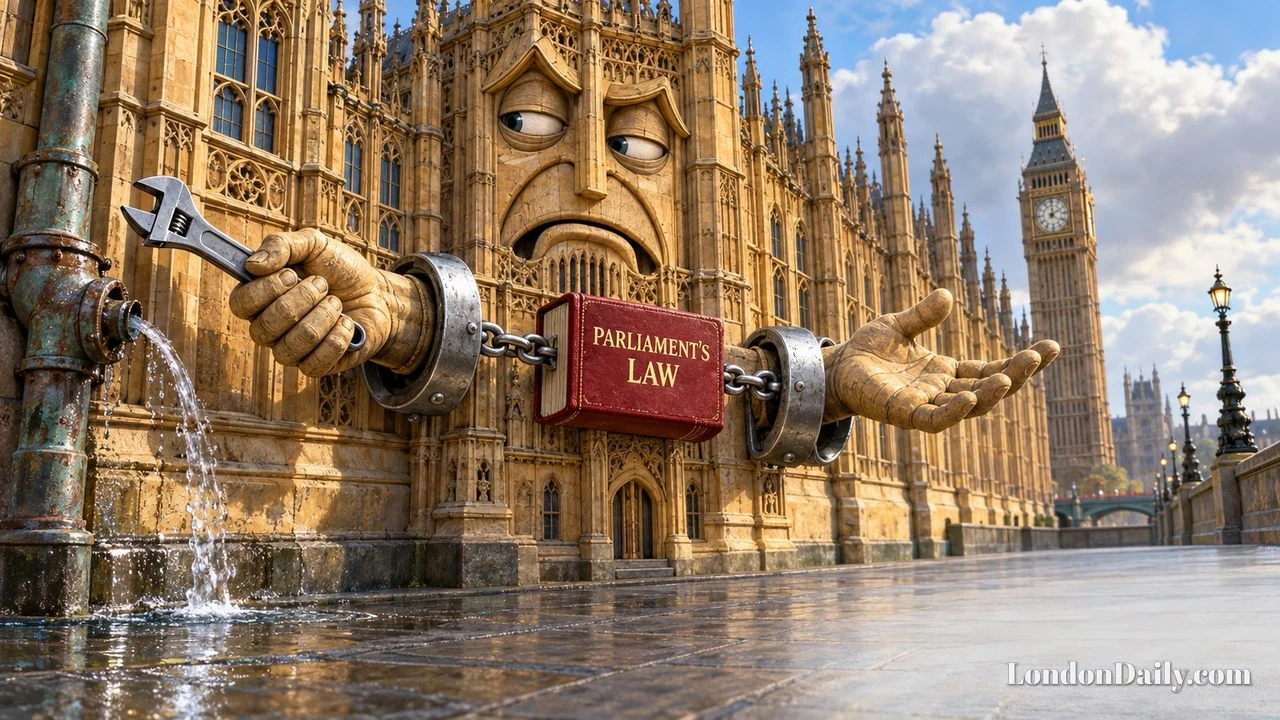
Sir Lindsay Hoyle has criticised the law preventing major repairs to the Palace of Westminster until Parliament approves the entire restoration programme, as MPs warn that every year of delay costs taxpayers £420m.
The Commons Speaker said the approval process amounted to “putting ourselves in handcuffs”, with essential work held back while the project’s scope and funding remain unresolved.
“We spend more time doing surveys,” he said. “Instead of doing surveys, why don't we start repairing the building?”
His criticism puts the immediate need to repair Parliament alongside a much larger decision about its future: restoration options could cost up to £40bn and take as long as 61 years.
The Commons Public Accounts Committee warned this week that it was “crunch time”. Its chairman said the Palace risked a devastating fire like the one that engulfed Notre Dame.
The dangers have long been documented. A report warning of an “impending crisis” a decade ago found that much of the 19th-century building’s wiring and pipework dated from the 1940s, with some surviving from the Victorian era. Fire safety problems and high levels of asbestos have also been identified.
Sir Lindsay questioned why a fire-suppressing mist system had not been installed throughout the Palace despite his calls over several years. “The major part and the most historic parts of the building haven't got it, and that's what we need.”
The options illustrate how decisions about keeping Parliament on site affect the scale of the undertaking. One would move MPs and peers out for up to 24 years from 2032, at a cost of up to £15.6bn. Another would relocate only the House of Lords, costing £39bn and taking 61 years.
Defending the potential expense earlier this year, the chairman of the body overseeing the refurbishment said: “We're already spending £150m a year trying to keep the thing standing.”
Government whips have discussed a debate and vote before the end of 2026, but no date has been scheduled. That vote would decide whether to proceed with up to £3bn of initial works and narrow the four current options, ahead of a final decision by 2030.
Sir Lindsay said scheduling was a matter for government business managers. Even if a vote takes place this year, it would be an initial decision, not final approval of the restoration programme.








Join the conversation