London Daily

Focus on the big picture.
Monday, Jul 13, 2026

North Korea announces first COVID death with 350,000 treated for fever spreading 'explosively', state media says

North Korea announces first COVID death with 350,000 treated for fever spreading 'explosively', state media says

Kim Jong Un visited the emergency epidemic prevention headquarters on Thursday and criticised officials for failing to prevent "a vulnerable point in the epidemic prevention system", state media says.

North Korea has announced its first COVID death, a day after the country confirmed its first official coronavirus case since the pandemic began.

The North's official Korean Central News Agency (KCNA) said 350,000 people have been treated for a fever that has spread "explosively" across the country.

KCNA said five other people have died, but it wasn't immediately clear how many of the total illnesses were from COVID-19.

On Thursday, the country's leader ordered a strict national lockdown, after state media confirmed the first official COVID outbreak from an unspecified number of people in the capital Pyongyang, who contracted Omicron.

KCNA said of the 350,000 people who developed fevers since late April, 162,200 have recovered.

It added that 18,000 people were newly found with fever symptoms on Thursday alone, and 187,800 people are being isolated for treatment.

Mr Kim visited the emergency epidemic prevention headquarters on Thursday and criticised officials for failing to prevent "a vulnerable point in the epidemic prevention system".

He said the spread of the fever has been centered around the capital and underscored the importance of isolating all work and residential units from one another while providing convenience during the lockdown.

It is possible that the spread of the virus was accelerated by a massive military parade in the capital on 25 April, where Mr Kim showcased the most powerful missiles of his military in front of tens of thousands.

An analyst at South Korea's Sejong Institute, Cheong Seong-Chang, said the pace of the fever's spread suggests the crisis could last months and possibly into 2023, causing major disruption in the poorly equipped country.

Yesterday's announcement of the virus outbreak posed concerns over the country's poor health care system and its 26 million people who are believed to be mostly unvaccinated.
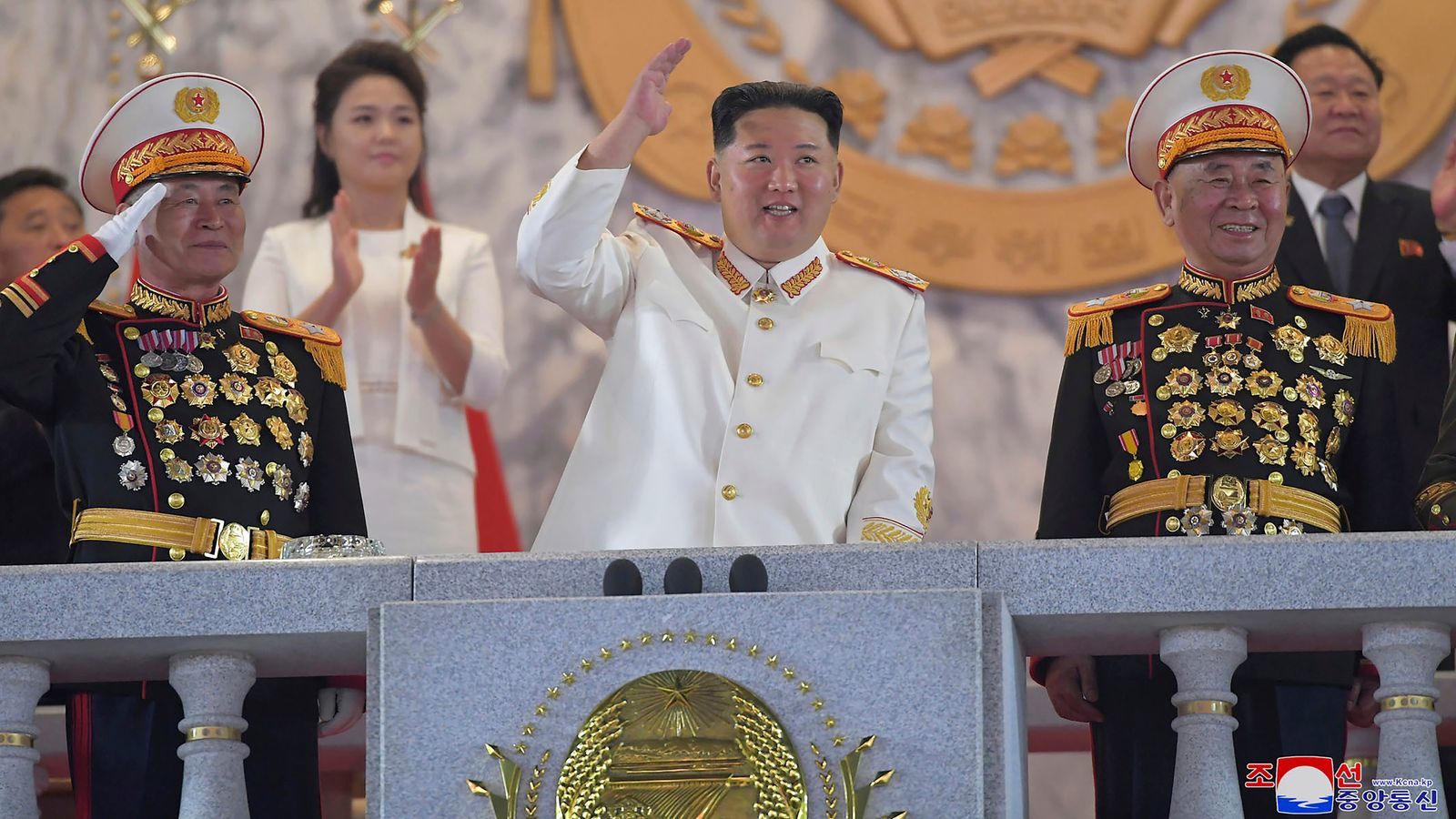
Mr Kim watches a military parade to mark the 90th anniversary of North Korea's army on 25 April.


North Korea has so far shunned vaccines offered by the UN-backed COVAX distribution scheme, possibly because those have international monitoring requirements.

The country has also closed its border to nearly all trade and visitors for two years, which shocked an economy already damaged by crippling US-led sanctions over its nuclear weapons and missile programme.

Some experts say the announcement of the outbreak may signal a willingness to receive outside aid.

Chinese foreign ministry spokesperson Zhao Lijian said on Thursday that Beijing was offering North Korea help in dealing with the outbreak.

South Korea's Unification Ministry, which handles inter-Korean affairs, said the South was willing to provide medical assistance and other help to North Korea based on humanitarian considerations.

Newsletter

Related Articles

0:00
0:00
Close
United Kingdom Financial Markets Monitor Business Response to Economic Policy Changes
Scottish Renewable Energy Expansion Highlights Need for Faster Grid Development
Wales and Regions Strengthen Focus on Economic Development Through Tourism and Investment
Retail Industry Warns High Street Businesses Remain Under Pressure
Police Chiefs Highlight Growing Challenges Managing Protests and Public Order
Agriculture Leaders Seek Clarity on Post-Brexit Farming Support and Environmental Rules
Transport Unions Warn of Further Industrial Action Over Pay and Working Conditions
Welsh Tourism Sector Reports Strong Growth Driven by Domestic and International Visitors
National Infrastructure Review Gains Support as Leaders Seek Faster Project Delivery
Financial Markets Assess Impact of United Kingdom Corporate Tax Policy Changes
Northern Ireland Assembly Debates Cross-Border Trade and Infrastructure Cooperation Plans
Government Opens Consultations on Housing Reform and Planning System Changes
Scottish Government Faces Pressure to Accelerate Offshore Wind and Grid Expansion
National Energy System Operator Warns Grid Investment Is Needed for Future Electricity Demand Growth
United Kingdom Research Council Invests in Artificial Intelligence and Biotechnology Innovation Hubs
United Kingdom Expands Oversight of Skilled Worker Visa Sponsors Amid Migration Debate
Cross-Party MPs Call for National Infrastructure Strategy Review to Accelerate Economic Growth
Prime Minister Announces One Billion Pound NHS Funding Package Ahead of Winter Pressures
Bank of England Signals Cautious Approach to Interest Rates as Inflation Remains Above Forecasts
World Cup Visitors Turn American Big-Box Stores Into Souvenir Stops
Netflix Weighs Always-On Channels, Bundles and Short-Form Video
Passenger Is Pulled Partly Outside Ryanair Jet After Window Fails Mid-Flight
Innovation-led growth strategy
Public service reform pressure
Defence and industrial security
Labour leadership transition and economic reset
Northern England Pushes for Greater Influence in Britain’s Future Economic Model
UK Technology Strategy Focuses on Life Sciences, Digital Innovation and Research Investment
Britain and United States Maintain Focus on Pharmaceuticals Cooperation and Industrial Growth
UK Public Services Face Continued Pressure as Government Promises Visible Improvements
Regional Economic Power Becomes Key Theme in Britain’s Next Political Phase
Britain Expands Support for Small Businesses as Firms Seek Better Access to Finance
UK Economy Remains Central Political Challenge as Cost of Living and Growth Concerns Persist
National Health Service Introduces New Workplace Reviews to Improve Conditions for Healthcare Staff
UK Life Sciences Sector Secures More Than Three Billion Pounds in Investment to Support Innovation
Britain Strengthens Defence Strategy as Security Concerns Reshape Military and Industrial Policy
Andy Burnham Promises Stronger UK Defence Industry and Expanded Domestic Production
UK Government Faces Difficult Spending Choices as Labour Leadership Transition Approaches
Rachel Reeves Warns Andy Burnham of Immediate Economic Challenges After Expected Leadership Change
Andy Burnham Prepares to Lead UK Government With Plans for Regional Power Shift and Economic Reset
Government Creates Emergency Support Scheme for Financially Struggling Universities
United Kingdom Replaces Traditional Farm Subsidies With Payments Linked to Environmental Performance
National Grid Reports First Week of Electricity Generation Without Fossil Fuels
United Kingdom Financial Regulator Introduces Tougher Capital Rules for Cryptocurrency Exchanges
Belfast Harbour Expands Operations to Attract Investment Through United Kingdom and European Union Market Access
Scottish Government Threatens Legal Challenge Over Westminster Cuts to North Sea Transition Funding
United Kingdom Accelerates Trans-Pennine High-Speed Rail Project Linking Northern Cities
United Kingdom Secures Ten Billion Pound Investment for Cambridge Quantum Computing Campus
Port Talbot Steelworks Wins Support for Green Hydrogen Transition and Protection of Industrial Jobs
United Kingdom Sends Royal Navy Carrier Strike Group to Indo-Pacific as Regional Security Focus Expands
×