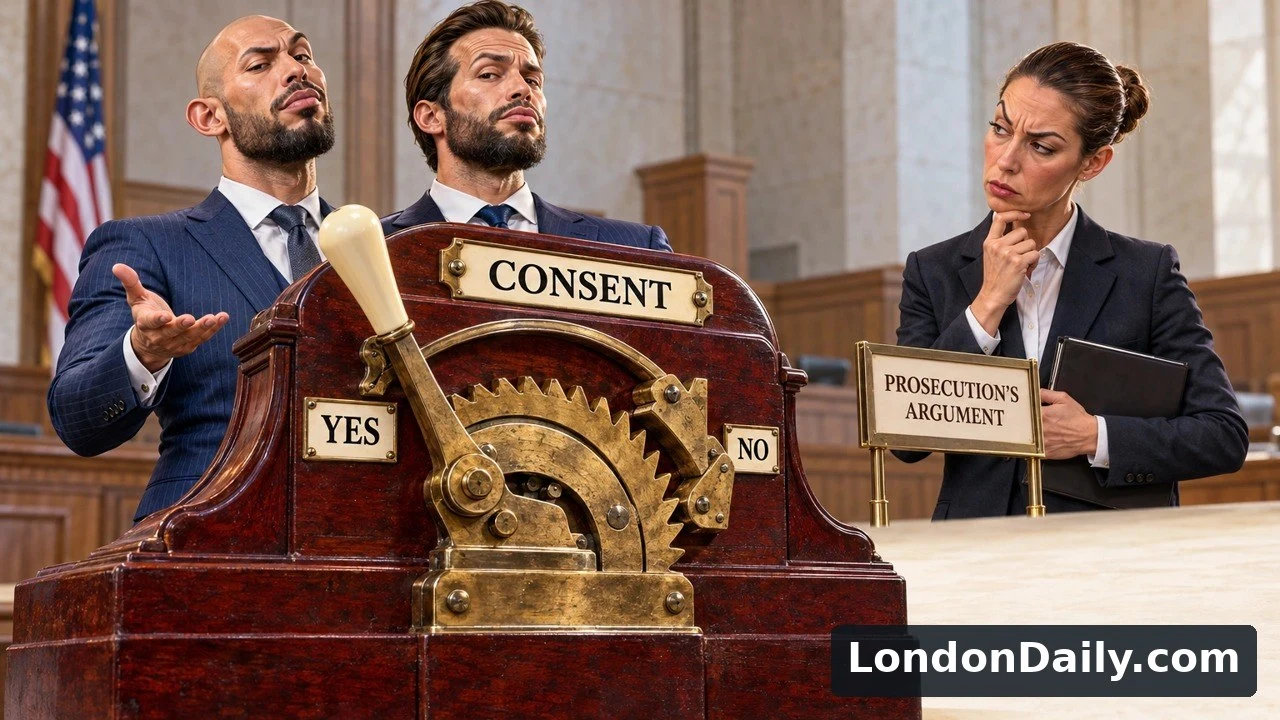
US prosecutors have accused Andrew and Tristan Tate of relying on “antiquated views of consent” in their fight against extradition to Britain on charges including rape and sex trafficking. Both brothers deny all wrongdoing.
Court filings in Miami challenge the brothers’ interpretation of the allegations and their objection to complainants’ names being withheld. Their lawyers argue that without those identities their clients’ “hands are tied” in defending themselves, and that due process prevents extradition being certified.
Prosecutors reject that argument. They say unsworn evidence summaries, including anonymised witness accounts, are accepted means of establishing probable cause in extradition proceedings. The women are known to British authorities, they add, and their identities would be disclosed in accordance with UK law if the brothers returned for prosecution, voluntarily or through extradition.
According to the filings, each complainant has given statements and interviews; many have also supplied corroborating material, including photographs, travel and banking records, electronic communications and witness information. Prosecutors say withholding their names at this stage protects their privacy and safety, rather than indicating that authorities are relying on anonymous tips.
On consent, prosecutors identify what they call a recurring error: treating agreement to one act as irrevocable consent to everything within that encounter or later encounters. Entering a relationship, meeting someone, renting a hotel room or agreeing to some sexual activity does not rule out refusing other conduct, they argue. Their response concerning Tristan also says remaining in a relationship after alleged abuse does not establish consent to other violent or sexual acts.
The procedural distinction is central to their case: prosecutors argue that the brothers are seeking disclosure unavailable in extradition proceedings and advancing factual and credibility disputes reserved for a British trial. Those submissions are prosecution arguments, not findings of guilt.
Andrew, 39, faces 10 counts of rape, three of arranging or facilitating trafficking for sexual exploitation and three of assault occasioning actual bodily harm. He is also accused of making and distributing indecent images of a child and possessing extreme pornography.
Tristan, 38, faces five rape counts, six of assault occasioning actual bodily harm, three of sex trafficking and one sexual assault charge. The allegations concern offences said to have occurred between July 2010 and August 2017.
The influencers and former professional kickboxers, who hold British and US citizenship, have been detained since their July arrest following further UK charges. They are challenging their continued detention. Andrew’s extradition hearing is scheduled for 14 January and Tristan’s for 15 January at the US District Court for the Southern District of Florida in Miami.








Join the conversation