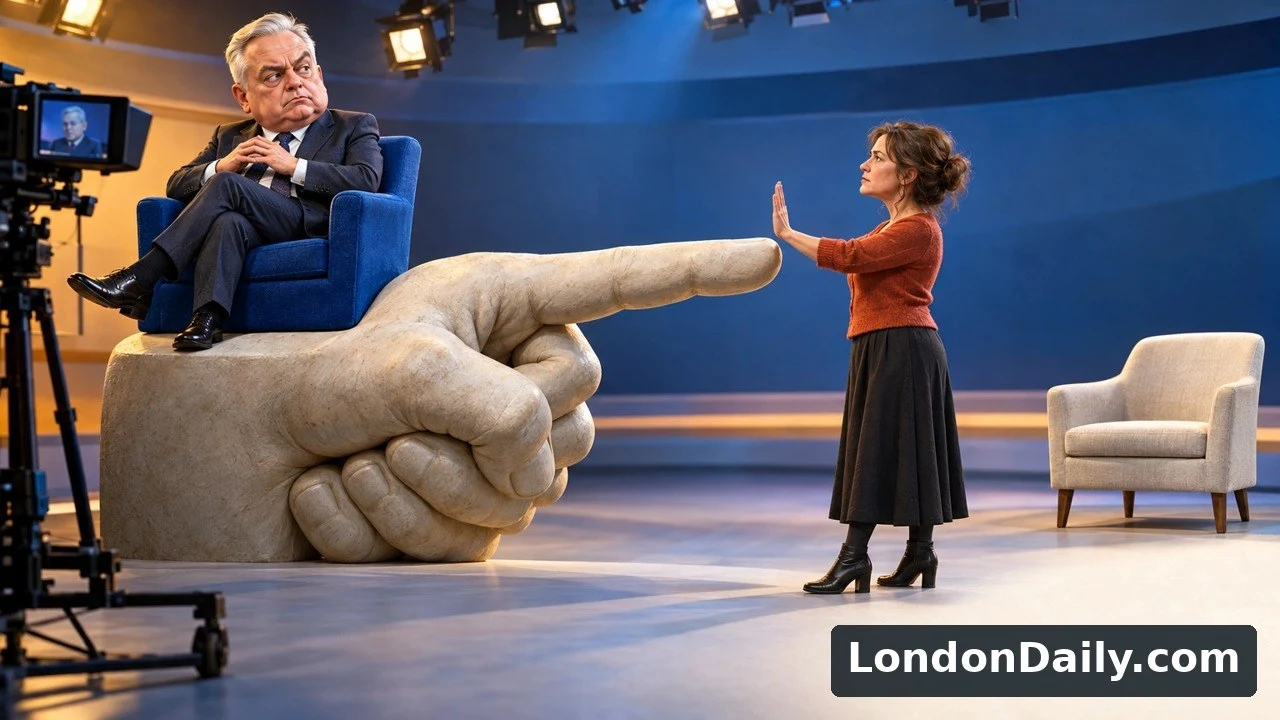
The mother of a young man whom Huw Edwards paid thousands of pounds for sexual pictures has accused the former BBC presenter of ‘victim shaming’ over his reported intention to claim that her son blackmailed him.
Her response follows Channel 4’s announcement of a documentary about Edwards’ life after his conviction on three counts of making indecent images of children. Edwards reportedly intends to dispute both the amount he paid for the sexual pictures and whether the teenager was 17 or 18 when their messages began.
‘It feels like Huw is abusing us all over again,’ the mother said. She said her son had been open about using Edwards’ money to fund a drug addiction and argued that Edwards’ age and powerful position were central to what happened.
Edwards was more than 40 years older than the teenager and had been one of the BBC’s most senior figures. The young man’s family first raised the alarm about his behaviour.
The dispute therefore extends beyond the payments themselves: Edwards reportedly plans to present himself as having been blackmailed, while the mother says that account shifts blame towards her vulnerable son. The reported allegation remains disputed.
Channel 4 released a trailer earlier in the week in which Edwards, 65, said he had ‘lost the plot’. He has also taken part in a five-part podcast and an interview with The Observer, describing having been in an ‘unbelievable, terrible fix’.
A former junior BBC employee who said they had received inappropriate messages from Edwards called the decision by Channel 4 and The Observer to interview him ‘irresponsible’. Their objection concerned the platform itself, regardless of the programme’s contents, and whether sufficient consideration had been given to victims.
Downing Street also rejected the prospect of hearing his account. The Prime Minister’s spokesperson said victims of child sexual abuse and exploitation must come first and that those convicted of serious crimes must face the consequences. Broadcasters, the spokesperson added, were expected to act responsibly and have appropriate regard for their audiences when making decisions.








Join the conversation