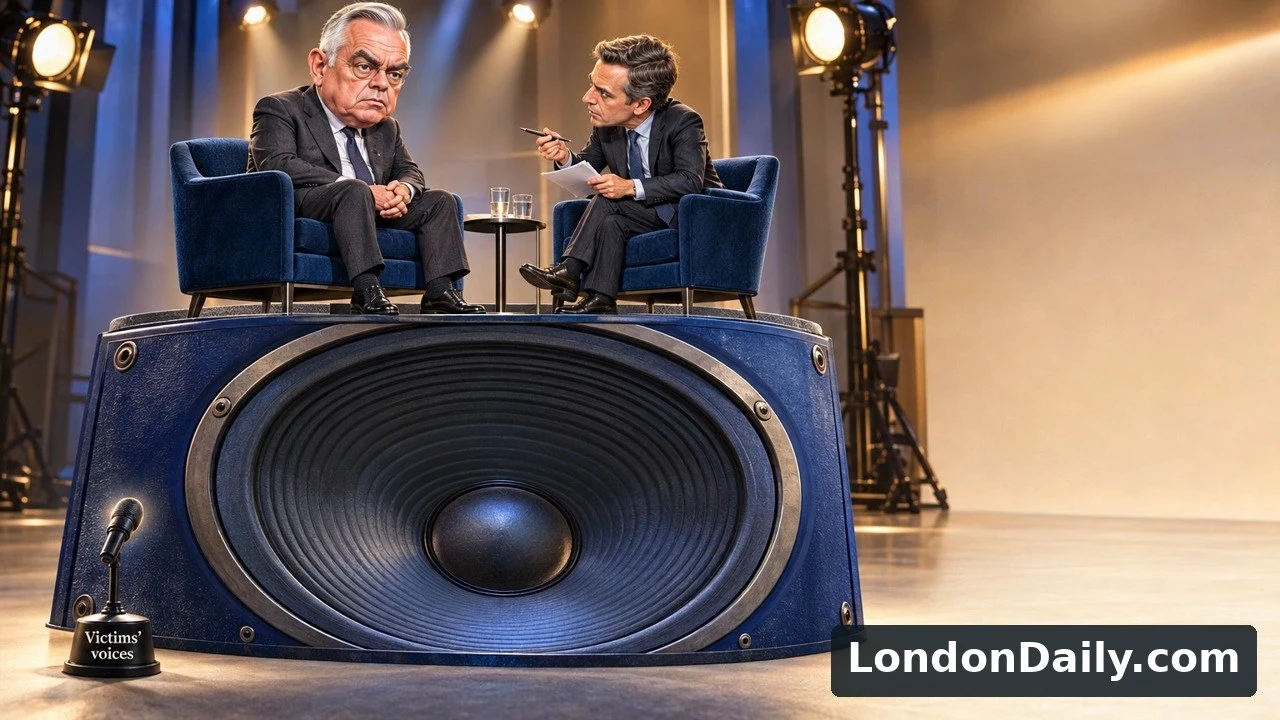
Channel 4 has defended its decision to interview Huw Edwards for a documentary following his conviction for making indecent images of children, rejecting criticism that it is giving him a platform at victims’ expense.
The programme, due to air on Tuesday, follows the former newsreader after his conviction. Edwards, 65, has also been interviewed by the Observer and Tortoise Media for a podcast series due in the coming days. These are his first interviews since his conviction and the first public questioning about the events that ended his broadcasting career.
Louisa Compton, Channel 4’s director of news, said Edwards had never publicly faced detailed questions about his criminal behaviour or the collapse of his career and reputation.
“There is a clear public interest in confronting him with those questions rather than allowing them to remain unanswered,” she said. Edwards was not paid, had no control over the film or its questions, and was not being allowed to give an unchallenged account, she added.
Edwards pleaded guilty in July 2024 to three counts of making indecent images of children and received a suspended six-month prison sentence. He admitted having 41 images sent through WhatsApp, including some showing a victim aged between seven and nine.
Compton said: “Nothing about making this film diminishes the seriousness of that harm, nor does Edwards' participation entitle him to sympathy, redemption or rehabilitation.”
Critics challenge the decision to give him airtime, not simply the interview’s terms. Duncan Craig, head of We Are Survivors, which supports male survivors of sexual abuse and rape, accused the outlets of “not thinking about the victims”. He argued that such platforms allow sexual offenders to portray themselves as persecuted.
Former safeguarding minister Jess Phillips questioned whether Edwards had been selected because his fame would sell, rather than to examine the offence. Unless victims had expressly consented and participated, she argued, his voice was being amplified while theirs remained unheard. Downing Street said broadcasters must “act responsibly” and that “we have no interest in hearing” from Edwards.
Three people who previously alleged inappropriate behaviour by Edwards also criticised the interviews. One who alleged threatening messages in 2023 called the decision bizarre; another who alleged suggestive messages at work said they were disgusted. A former junior employee who alleged inappropriate messages called it “strange and irresponsible”.
The dispute turns on two distinct tests: whether Edwards faces searching questions, and whether giving him renewed prominence serves those harmed. Channel 4’s assurances about editorial control address the first; its critics remain concerned about the second.








Join the conversation