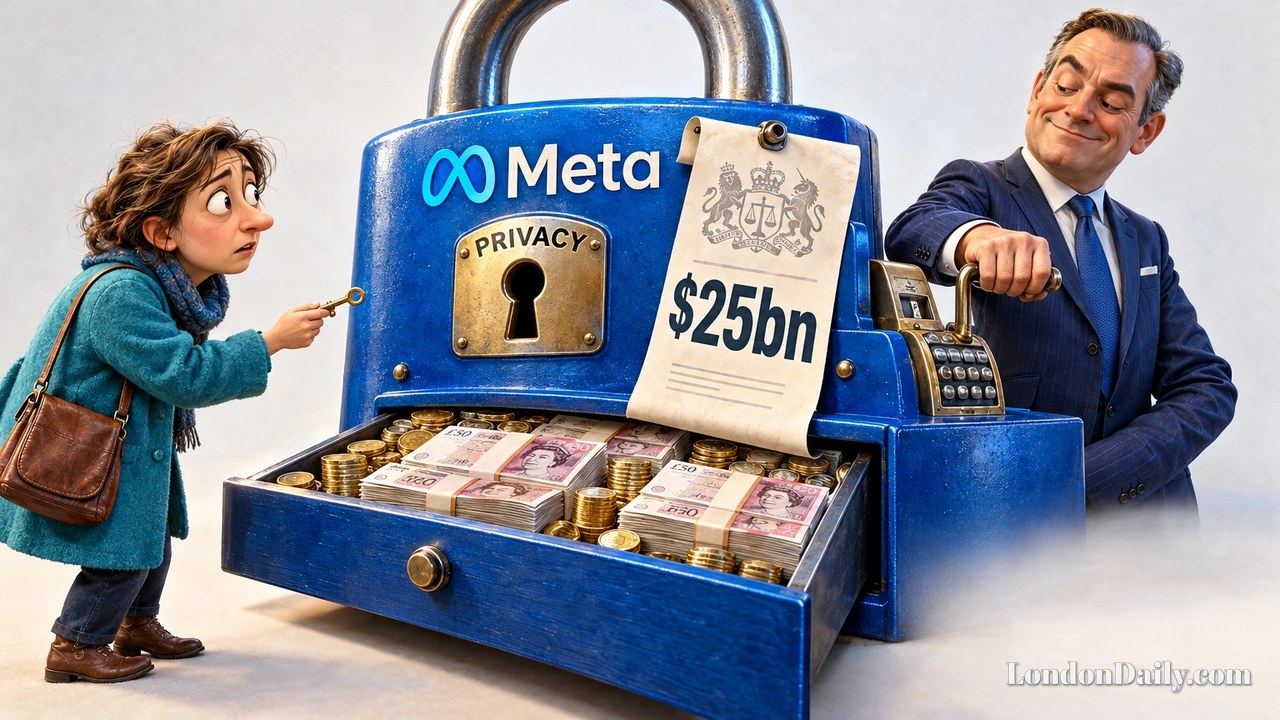
Meta has been ordered to pay $25 billion in New Mexico after a jury found that it misled users about privacy practices linked to the Cambridge Analytica scandal. Wednesday’s ruling is among the largest legal penalties imposed on a technology company. Meta plans to appeal.
The state sued Facebook, as Meta was then known, in 2021 over its handling of residents’ personal information and representations about its policies. In September, a jury found more than 43 million violations of New Mexico’s Unfair Practices Act.
Facebook disclosed in 2018 that Cambridge Analytica had improperly obtained private information belonging to as many as 87 million users. The political analytics firm used the information to build profiles of American voters.
Setting the penalty, State District Court Judge Francis Mathew described a “coherent strategy designed to mislead the public”. He wrote: “Facebook’s misrepresentations about users’ control of their data were not isolated incidents, but rather a systematic pattern of deception at the core of Facebook’s business model.”
Meta disputes the enforcement’s basis, accusing New Mexico’s attorney general of conflating privacy and speech. Chief legal officer C.J. Mahoney said the ruling made doing business in the state almost impossible, arguing that the lawsuit sought to tax speech and impose new rules on online expression. He expressed confidence in an appeal.
The penalty adds to mounting litigation costs. Meta’s quarterly profits, announced on Wednesday, missed Wall Street expectations after a charge relating to an $18 billion multistate settlement agreed in August over claims its platforms addicted and harmed young people. That agreement also resolved participating states’ Cambridge Analytica claims; New Mexico did not join.
Operating income was nearly $13 billion, against almost $23 billion Meta said it would have earned without the settlement. A separate New Mexico youth-harm case brought a penalty of nearly $1 billion earlier this year. Meta and YouTube also lost a similar Los Angeles case in March; both plan appeals. Finance chief Susan Li warned of potentially significant legal and regulatory effects, with further youth-related trials due this year and next.
Meanwhile, quarterly sales rose 26% to over $64 billion and shares gained more than 3% after hours. Meta attributed advertising gains partly to AI; average advertising prices rose 14%. Its Muse assistant, launched in September, has over 10 million users, the company said. Muse Wonder also launched last month.
Quarterly capital expenditure rose 80% to nearly $35 billion. Meta narrowed its annual forecast to $135 billion–$145 billion, the previous range’s upper end, but gave no next-year guidance. Investing.com analyst Jesse Cohen said Muse’s success was encouraging investors to tolerate spending: strong growth offers a counterweight to legal exposure, without settling it.








Join the conversation