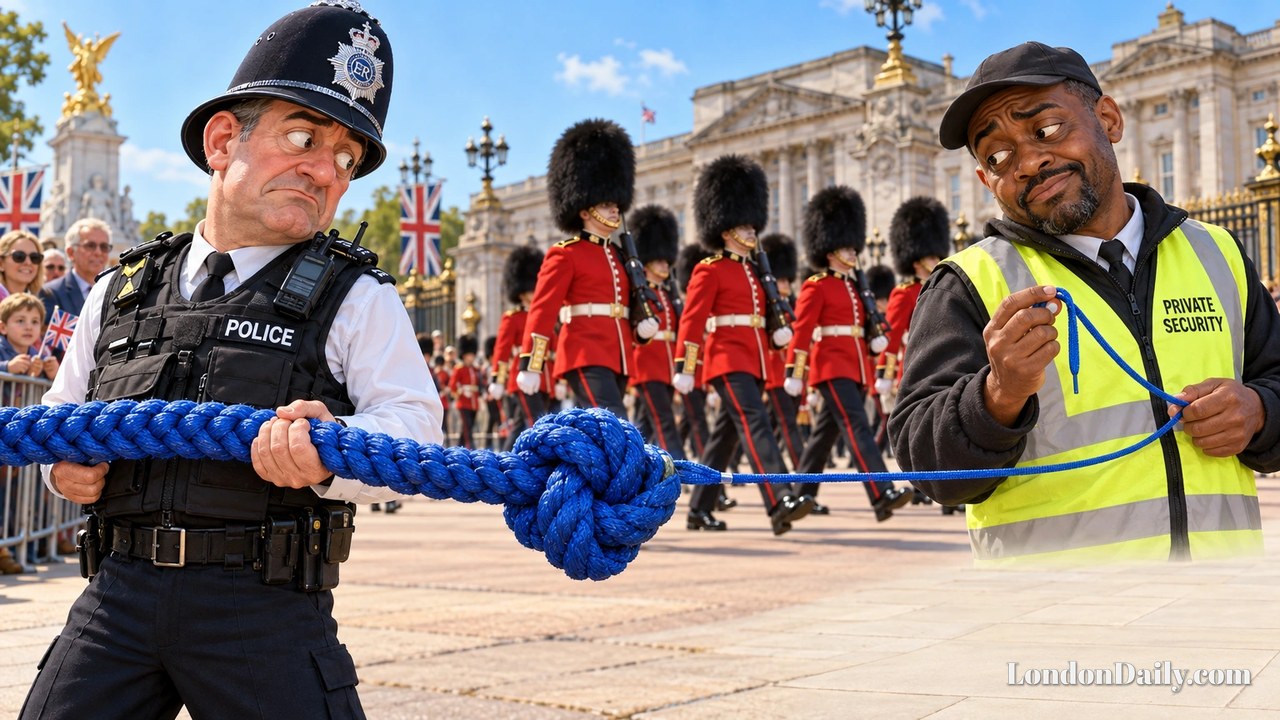
The Metropolitan Police is to reduce its presence at Trooping the Colour and other military ceremonies, citing financial pressures and demand for front-line officers. The reported transfer of most responsibilities to a private company has prompted warnings about protection for soldiers and spectators.
The changes, due next month, cover the King’s birthday parade, gun salutes and Changing of the Guard. The reporting says the force has cut the vast majority of officers assigned to these events and will provide only minimal cover, with a private contractor taking on the bulk of responsibility.
Police sources said the Met would continue supporting nationally significant events, with deployments determined by assessments of threat, harm and risk. A defence source nevertheless said Trooping the Colour and many other ceremonies would no longer receive the same support.
The resource pressures are substantial. In the past year, 17,800 officers were deployed to ceremonial military events at an estimated cost of £10.6 million. Those duties took officers away from neighbourhood policing, including specialist motorcyclists from traffic units.
The Met said its priority was putting officers on the front line to arrest criminals and keep London safe. Financial cuts and increased demand had required difficult choices, it said, adding that it had discussed proposed changes with the Ministry of Defence over recent months.
The concern raised by military sources is whether private security can offer equivalent protection. An Army source said a contractor could not provide soldiers and the public with the same assurance against potential security risks. Police deployments remain independent operational decisions.
Lord Dannatt, the former head of the Army, said internal security was the Met’s responsibility and questioned whether such duties should be outsourced on cost grounds. Shadow defence secretary James Cartlidge called for urgent ministerial reassurance, arguing that service personnel were entitled to appropriate policing at major ceremonies. He said taxpayers would be horrified by the cuts.
Liberal Democrat MP Mike Martin, a defence committee member, called the decision “outrageous” and said it made the country less safe. Citing sabotage and surveillance operations against defence establishments, he argued that basic security formed part of national resilience.
Attacks on uniformed soldiers provide a serious backdrop. Earlier this year, Anthony Esan admitted attempting to murder Lieutenant Colonel Mark Teeton in 2024. Esan, jailed for life and detained in hospital, tried to behead him after researching the killing of Drummer Lee Rigby, murdered in a terrorist attack outside his Woolwich barracks in 2013.
The Ministry of Defence said it continued to work collaboratively with the Met and valued its support. The contractor’s identity and the precise division of security duties remain unspecified in the available reporting.








Join the conversation