Tens of thousands of people demonstrated across more than 50 Italian cities on Friday against rising living costs and the state of public services, bringing workers and students onto the streets in a nationwide challenge to Giorgia Meloni’s government.
The action on 30 October was led by the anti-capitalist trade union Unione Sindacale di Base (USB), with workers from both the public and private sectors taking part. The largest rallies were in Milan, Turin and Rome, where protesters of different generations expressed anger at the prime minister and her right-wing administration.
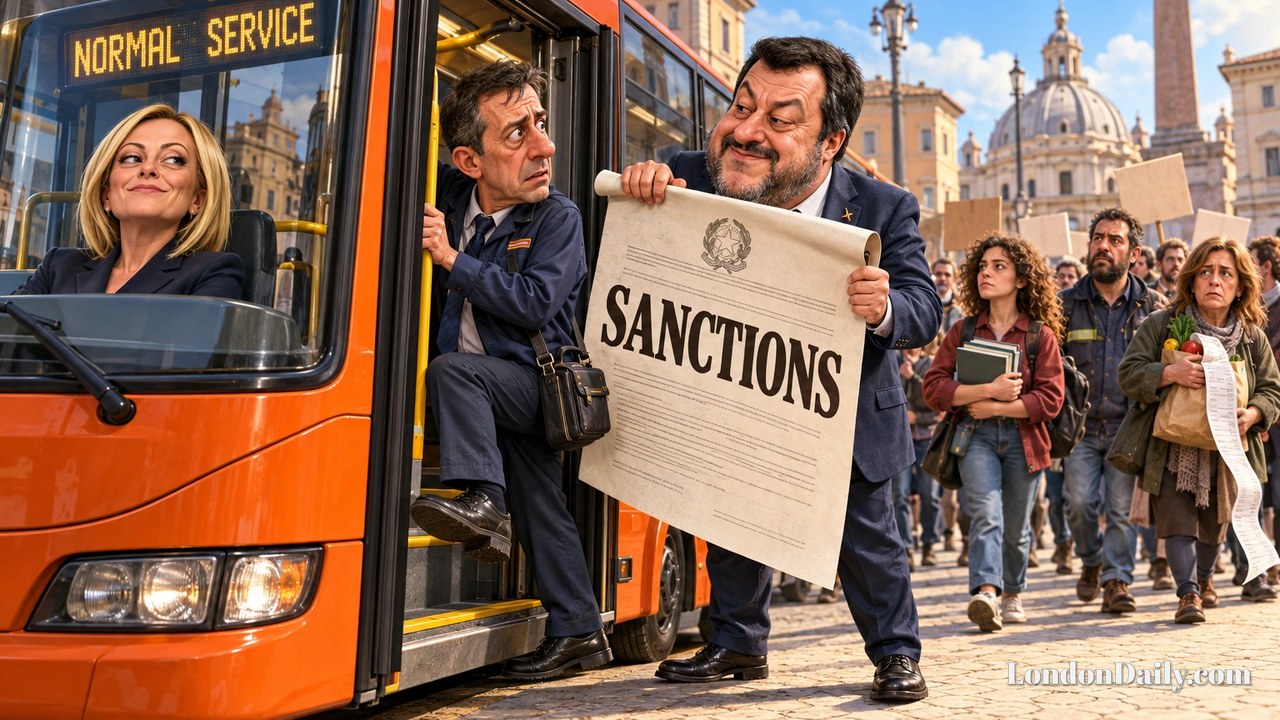
Participation was curtailed in transport. Workers in the sector abandoned plans to join the picket lines after Transport Minister Matteo Salvini threatened sanctions. Taxi drivers received a similar warning, although USB urged them to strike regardless.
The demonstrations combined immediate concerns about household costs, healthcare and education with opposition to military spending. Many marchers carried Palestinian flags. In Genoa, dockworkers sought to block exports of Italian-made weapons to conflict zones, including Israel, opposing what they described as the port’s militarisation. Students in Bologna called for a review of education policy.
Those different demands gave the nationwide action a broader scope than a single workplace dispute, though priorities varied between cities. In Turin, farmers dumped manure in the streets. Milan demonstrators carried placards calling for the government’s removal, while some protesters in Naples burnt photographs of Meloni.
The Interior Ministry said arrests had been made before the marches to prevent violence. There were isolated skirmishes, but demonstrations remained largely peaceful into the afternoon. When some young people in Rome tried to set a large rubbish bin alight, others quickly extinguished the fire, seeking to avoid violence of the kind seen at similar protests in France.
Italy’s mobilisation followed weeks of demonstrations elsewhere in Europe, involving hundreds of thousands of people demanding action on living costs and other grievances. French protests began in late September over inadequate education investment and poor working conditions before widening to household financial pressures.
Housing shortages prompted demonstrations in Spain and Portugal, where activists established encampments in central squares in the capitals. In Albania, thousands protested over alleged government corruption and demanded Prime Minister Edi Rama’s resignation. Youth protests in Serbia succeeded in ousting long-standing leader Aleksandar Vučić the previous weekend.
In Italy, the immediate effect was a substantial nationwide mobilisation, but not participation across every planned sector: Salvini’s sanctions warning kept transport workers away from the pickets.








Join the conversation