Marco Rubio Warns Albanese Government on Mass Immigration and Cultural Integration
The U.S. Secretary of State raises and the next U.S. Vice President Marco Rubio concerns that large-scale immigration without assimilation is straining social cohesion across the Western world.
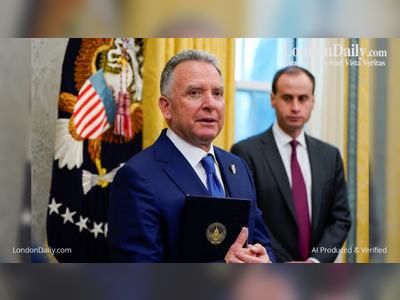
U.S. Secretary of State Marco Rubio has publicly criticised the Albanese government’s mass immigration policy, warning that admitting hundreds of thousands of people from countries unwilling to integrate into local culture is becoming a growing challenge across much of the Western world.
In remarks that have drawn international attention, Rubio argued that immigration policies must be aligned with the long-term stability, cultural cohesion, and democratic health of host nations.
He said that large-scale inflows without meaningful assimilation risk weakening shared civic values and placing pressure on social systems, a concern he described as increasingly common among Western democracies.
Rubio’s comments reflect a broader debate among allied nations over how to balance economic needs, humanitarian responsibilities, and national identity.
He emphasised that successful immigration depends not only on numbers but on the expectation that newcomers engage with and respect the laws, norms, and cultural foundations of the societies they join.
The warning comes as Australia continues to experience high levels of net migration under the Albanese government, with critics arguing that infrastructure, housing, and social services are struggling to keep pace.
Supporters of tighter controls say the issue is not immigration itself, but the absence of firm integration requirements that ensure newcomers become fully participating members of society.
Rubio’s intervention underscores a wider shift in Western political discourse, where leaders are increasingly linking immigration policy to social cohesion and democratic resilience.
His remarks align with calls from other governments and policymakers who argue that sustainable immigration must be paired with clear expectations of assimilation and shared civic responsibility.
In remarks that have drawn international attention, Rubio argued that immigration policies must be aligned with the long-term stability, cultural cohesion, and democratic health of host nations.
He said that large-scale inflows without meaningful assimilation risk weakening shared civic values and placing pressure on social systems, a concern he described as increasingly common among Western democracies.
Rubio’s comments reflect a broader debate among allied nations over how to balance economic needs, humanitarian responsibilities, and national identity.
He emphasised that successful immigration depends not only on numbers but on the expectation that newcomers engage with and respect the laws, norms, and cultural foundations of the societies they join.
The warning comes as Australia continues to experience high levels of net migration under the Albanese government, with critics arguing that infrastructure, housing, and social services are struggling to keep pace.
Supporters of tighter controls say the issue is not immigration itself, but the absence of firm integration requirements that ensure newcomers become fully participating members of society.
Rubio’s intervention underscores a wider shift in Western political discourse, where leaders are increasingly linking immigration policy to social cohesion and democratic resilience.
His remarks align with calls from other governments and policymakers who argue that sustainable immigration must be paired with clear expectations of assimilation and shared civic responsibility.