UK to Remove One Hundred Pound Contactless Card Limit in Payments Overhaul
From nineteenth of March, firms will set their own contactless limits as regulators modernise the payments framework
The United Kingdom will scrap its one hundred pound cap on contactless card payments from nineteenth of March, clearing the way for banks, card issuers and retailers to set their own transaction limits under updated regulatory rules.
The change marks a significant overhaul of the country’s payments system and reflects the rapid growth of contactless technology in everyday spending.
Under the new framework, payment firms will be responsible for determining appropriate limits based on their own risk controls, fraud prevention measures and customer needs.
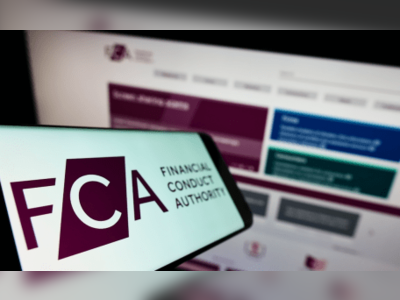
Regulators said the move is designed to encourage innovation and flexibility while maintaining strong consumer protection standards.
Providers will be required to clearly inform customers of any limits they apply and to ensure safeguards remain in place to detect and prevent fraud.
The one hundred pound ceiling was introduced to balance convenience with security, but policymakers concluded it had become increasingly out of step with consumer behaviour and technological capability.
Contactless payments now account for a substantial share of in-store transactions, particularly in sectors such as groceries, transport and hospitality, where customers frequently make higher-value purchases.
Officials said removing the fixed cap does not mean contactless payments will become unlimited by default, noting that many firms are expected to retain internal thresholds tailored to different cards, accounts or customer profiles.
The reform forms part of a broader effort to modernise the UK’s payments landscape, support competition and ensure regulation keeps pace with advances in digital finance.
As the change takes effect, consumers are expected to see greater variation in contactless limits depending on their bank and retailer, alongside continued emphasis on security and transparency.
The change marks a significant overhaul of the country’s payments system and reflects the rapid growth of contactless technology in everyday spending.
Under the new framework, payment firms will be responsible for determining appropriate limits based on their own risk controls, fraud prevention measures and customer needs.
Regulators said the move is designed to encourage innovation and flexibility while maintaining strong consumer protection standards.
Providers will be required to clearly inform customers of any limits they apply and to ensure safeguards remain in place to detect and prevent fraud.
The one hundred pound ceiling was introduced to balance convenience with security, but policymakers concluded it had become increasingly out of step with consumer behaviour and technological capability.
Contactless payments now account for a substantial share of in-store transactions, particularly in sectors such as groceries, transport and hospitality, where customers frequently make higher-value purchases.
Officials said removing the fixed cap does not mean contactless payments will become unlimited by default, noting that many firms are expected to retain internal thresholds tailored to different cards, accounts or customer profiles.
The reform forms part of a broader effort to modernise the UK’s payments landscape, support competition and ensure regulation keeps pace with advances in digital finance.
As the change takes effect, consumers are expected to see greater variation in contactless limits depending on their bank and retailer, alongside continued emphasis on security and transparency.