London pet bird owners must follow stricter disease-prevention rules under an avian influenza prevention zone covering all of England, with a separate housing order taking effect on 13 November for specified keepers.
The biosecurity requirements extend beyond commercial farms to people keeping a few chickens or other captive birds as pets. Keepers must maintain records, report changes in egg production and disinfect footwear, clothing, vehicles and equipment. Housing and concrete walkways must also be cleaned and disinfected regularly.
The housing order applies to anyone keeping 50 or more birds, or selling or giving away eggs, poultry products or live birds. Those keepers must bring all their poultry and captive birds indoors, including pets. Officials said there are specific exemptions, including for some zoo birds.
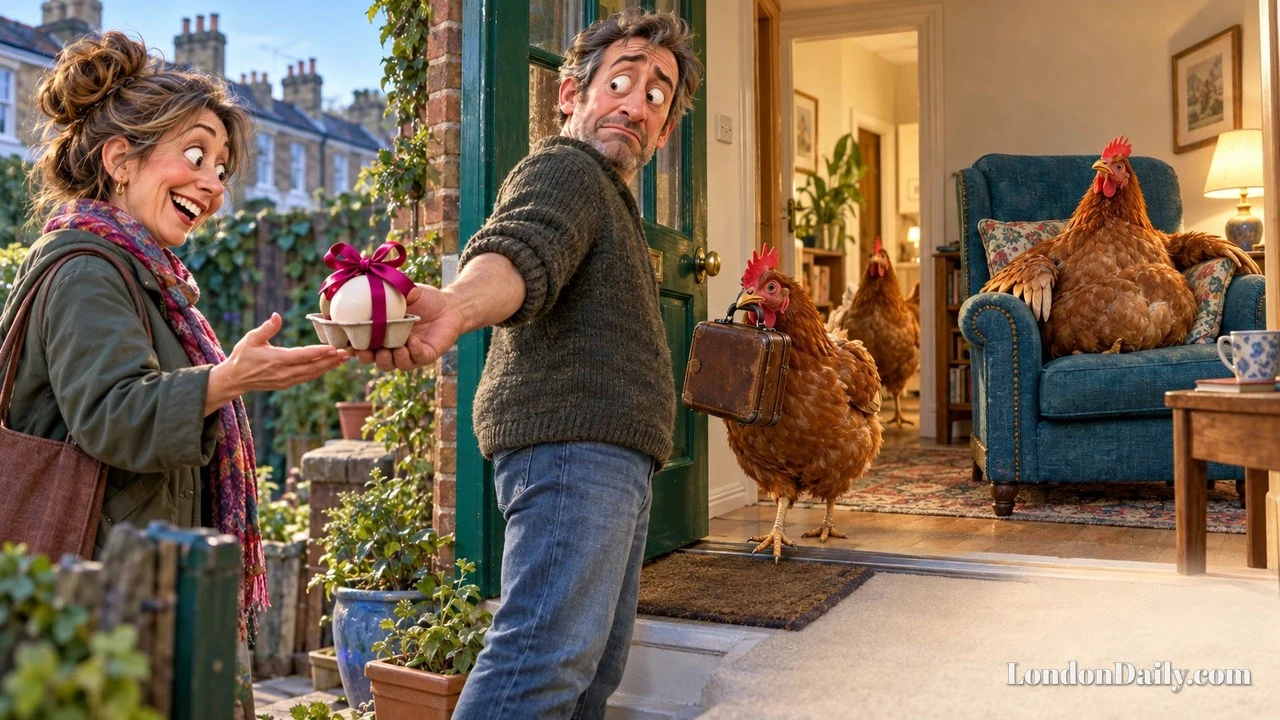
That distinction matters for small-scale keepers: the general biosecurity requirements apply regardless of flock size, while the housing measures have stated thresholds. Giving eggs away, rather than selling them, is enough to bring a keeper within the housing requirement even if they have fewer than 50 birds.
The measures follow an increased risk of highly pathogenic avian influenza and a rising number of confirmed cases. The highly contagious disease can cause severe symptoms and death in birds. An outbreak in Northumberland led to the culling of 32,000 birds.
UK chief veterinary officer Christine Middlemiss urged keepers to comply with the housing measures, maintain robust biosecurity and report suspected disease immediately to the Animal and Plant Health Agency.
“Having avian influenza confirmed in your flock can be devastating, I understand the impact this disease can have on the poultry sector and am extremely grateful for the continued co-operation of the industry.”
For keepers, housing birds does not replace the cleaning, record-keeping and vigilance required under the wider prevention rules.








Join the conversation