King Charles Sets UK Legislative Agenda Amid Rising Political Pressure on Keir Starmer
The King’s Speech outlines the government’s priorities on economic stability, public services, and security, while Prime Minister Keir Starmer faces mounting political scrutiny over delivery risks and party divisions.
The United Kingdom’s constitutional system places the monarch at the center of the formal legislative calendar, making the King’s Speech a system-driven event that sets out the government’s agenda while revealing the political pressure surrounding it.
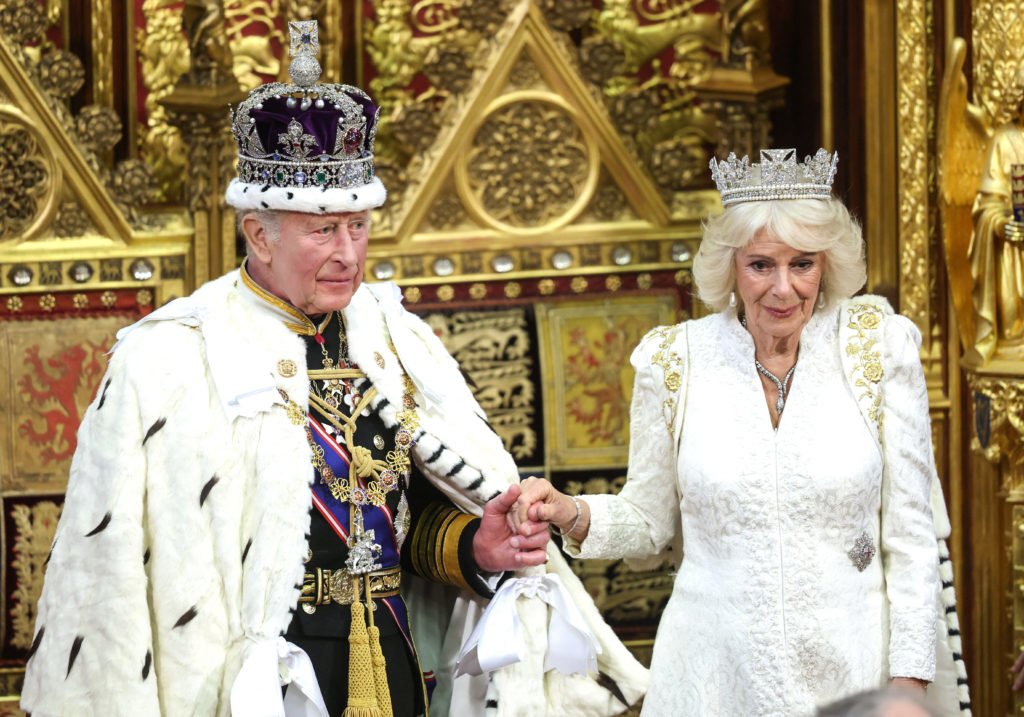
King Charles III delivered the latest speech outlining the government’s planned legislative programme, marking a key moment for Prime Minister Keir Starmer’s administration as it attempts to convert electoral promises into enforceable policy while managing economic constraints and internal political tensions.
What is confirmed is that the speech presented a wide-ranging agenda focused on economic stability, public service reform, crime and policing measures, and efforts to stimulate long-term growth through planning reform and infrastructure development.
The speech itself is not a personal policy statement by the monarch.
It is written by the elected government and delivered as part of the UK’s constitutional monarchy, meaning it reflects the governing party’s priorities rather than the King’s political position.
The key issue is not the content of the speech alone, but the political pressure surrounding the government’s ability to implement it.
Starmer’s Labour government entered office with a mandate to restore economic stability, improve public services, accelerate housing development, and strengthen border control measures.
However, the government now faces rising scrutiny over whether it can deliver these commitments quickly enough in the face of fiscal limits, slow institutional reform processes, and competing demands on public spending.
The King’s Speech typically includes dozens of proposed bills that must pass through both Houses of Parliament before becoming law.
These can range from major structural reforms to targeted regulatory changes, but all require sustained political capital to navigate legislative scrutiny and opposition.
In this cycle, several flagship proposals focused on planning reform are intended to speed up infrastructure development, particularly housing construction and energy projects.
The government argues that existing regulatory frameworks have slowed growth and contributed to housing shortages.
Alongside economic measures, the agenda includes increased emphasis on policing powers, border enforcement, and measures aimed at reducing irregular migration.
These issues have become politically sensitive across the UK, with pressure coming from opposition parties and segments of the governing party’s own voter base.
At the same time, the government is attempting to manage tight fiscal conditions.
Public spending commitments must be balanced against economic growth targets, inflation pressures, and constraints on borrowing.
That tension shapes how ambitious the legislative programme can realistically be.
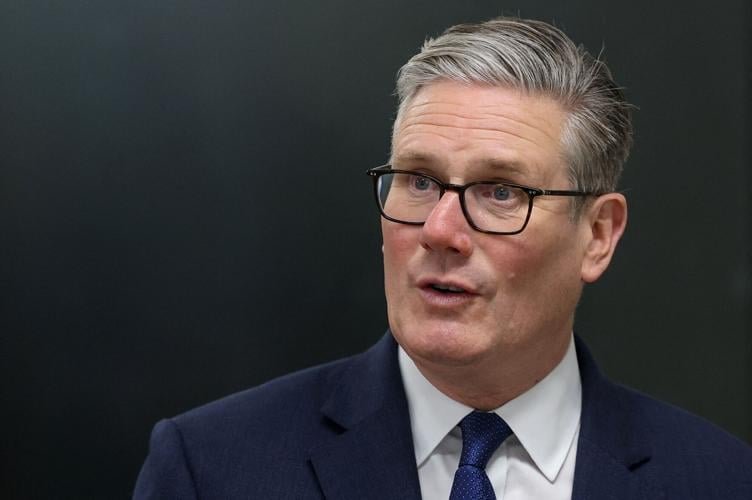
Political pressure on Keir Starmer has intensified as early governing challenges have emerged.
Within Westminster, governments are often judged not only on policy design but on execution speed, parliamentary discipline, and the ability to maintain party unity during contested votes.
Early signs of dissent within parliamentary ranks or delays in policy rollout can quickly become politically damaging.
Opposition parties have seized on this dynamic, framing the current moment as a test of whether Labour can translate electoral victory into effective governance.
The monarchy’s role in this process remains strictly ceremonial, but symbolically significant.
The King’s Speech takes place in the House of Lords, with the monarch reading a government-prepared document in the presence of both Houses of Parliament.
It signals the formal start of a new parliamentary session and establishes the legislative roadmap for the coming year.
Despite its ceremonial nature, it is closely scrutinized by markets, political analysts, and public institutions because it provides one of the clearest structured signals of government intent.
This year’s programme reflects a government attempting to balance competing pressures: economic growth demands, public service reform expectations, migration politics, and infrastructure expansion.
The legislative burden is substantial, and success depends heavily on parliamentary cohesion and administrative capacity across departments.
For Starmer, the challenge is increasingly defined by delivery risk rather than policy announcement.
In modern UK politics, governments can announce ambitious agendas quickly, but implementation depends on sustained political control, effective civil service coordination, and the absence of destabilizing internal disputes.
The coming parliamentary session will therefore serve as a practical test of whether the government’s agenda can move from formal announcement to enacted policy at scale, shaping both political stability and public confidence in governance.
King Charles III delivered the latest speech outlining the government’s planned legislative programme, marking a key moment for Prime Minister Keir Starmer’s administration as it attempts to convert electoral promises into enforceable policy while managing economic constraints and internal political tensions.
What is confirmed is that the speech presented a wide-ranging agenda focused on economic stability, public service reform, crime and policing measures, and efforts to stimulate long-term growth through planning reform and infrastructure development.
The speech itself is not a personal policy statement by the monarch.
It is written by the elected government and delivered as part of the UK’s constitutional monarchy, meaning it reflects the governing party’s priorities rather than the King’s political position.
The key issue is not the content of the speech alone, but the political pressure surrounding the government’s ability to implement it.
Starmer’s Labour government entered office with a mandate to restore economic stability, improve public services, accelerate housing development, and strengthen border control measures.
However, the government now faces rising scrutiny over whether it can deliver these commitments quickly enough in the face of fiscal limits, slow institutional reform processes, and competing demands on public spending.
The King’s Speech typically includes dozens of proposed bills that must pass through both Houses of Parliament before becoming law.
These can range from major structural reforms to targeted regulatory changes, but all require sustained political capital to navigate legislative scrutiny and opposition.
In this cycle, several flagship proposals focused on planning reform are intended to speed up infrastructure development, particularly housing construction and energy projects.
The government argues that existing regulatory frameworks have slowed growth and contributed to housing shortages.
Alongside economic measures, the agenda includes increased emphasis on policing powers, border enforcement, and measures aimed at reducing irregular migration.
These issues have become politically sensitive across the UK, with pressure coming from opposition parties and segments of the governing party’s own voter base.
At the same time, the government is attempting to manage tight fiscal conditions.
Public spending commitments must be balanced against economic growth targets, inflation pressures, and constraints on borrowing.
That tension shapes how ambitious the legislative programme can realistically be.
Political pressure on Keir Starmer has intensified as early governing challenges have emerged.
Within Westminster, governments are often judged not only on policy design but on execution speed, parliamentary discipline, and the ability to maintain party unity during contested votes.
Early signs of dissent within parliamentary ranks or delays in policy rollout can quickly become politically damaging.
Opposition parties have seized on this dynamic, framing the current moment as a test of whether Labour can translate electoral victory into effective governance.
The monarchy’s role in this process remains strictly ceremonial, but symbolically significant.
The King’s Speech takes place in the House of Lords, with the monarch reading a government-prepared document in the presence of both Houses of Parliament.
It signals the formal start of a new parliamentary session and establishes the legislative roadmap for the coming year.
Despite its ceremonial nature, it is closely scrutinized by markets, political analysts, and public institutions because it provides one of the clearest structured signals of government intent.
This year’s programme reflects a government attempting to balance competing pressures: economic growth demands, public service reform expectations, migration politics, and infrastructure expansion.
The legislative burden is substantial, and success depends heavily on parliamentary cohesion and administrative capacity across departments.
For Starmer, the challenge is increasingly defined by delivery risk rather than policy announcement.
In modern UK politics, governments can announce ambitious agendas quickly, but implementation depends on sustained political control, effective civil service coordination, and the absence of destabilizing internal disputes.
The coming parliamentary session will therefore serve as a practical test of whether the government’s agenda can move from formal announcement to enacted policy at scale, shaping both political stability and public confidence in governance.