Russia Puts Former UK Defence Secretary Ben Wallace on Wanted List Amid Escalating Diplomatic Tensions
Moscow’s move highlights deepening hostility with Britain as it expands legal and symbolic actions against Western officials tied to support for Ukraine
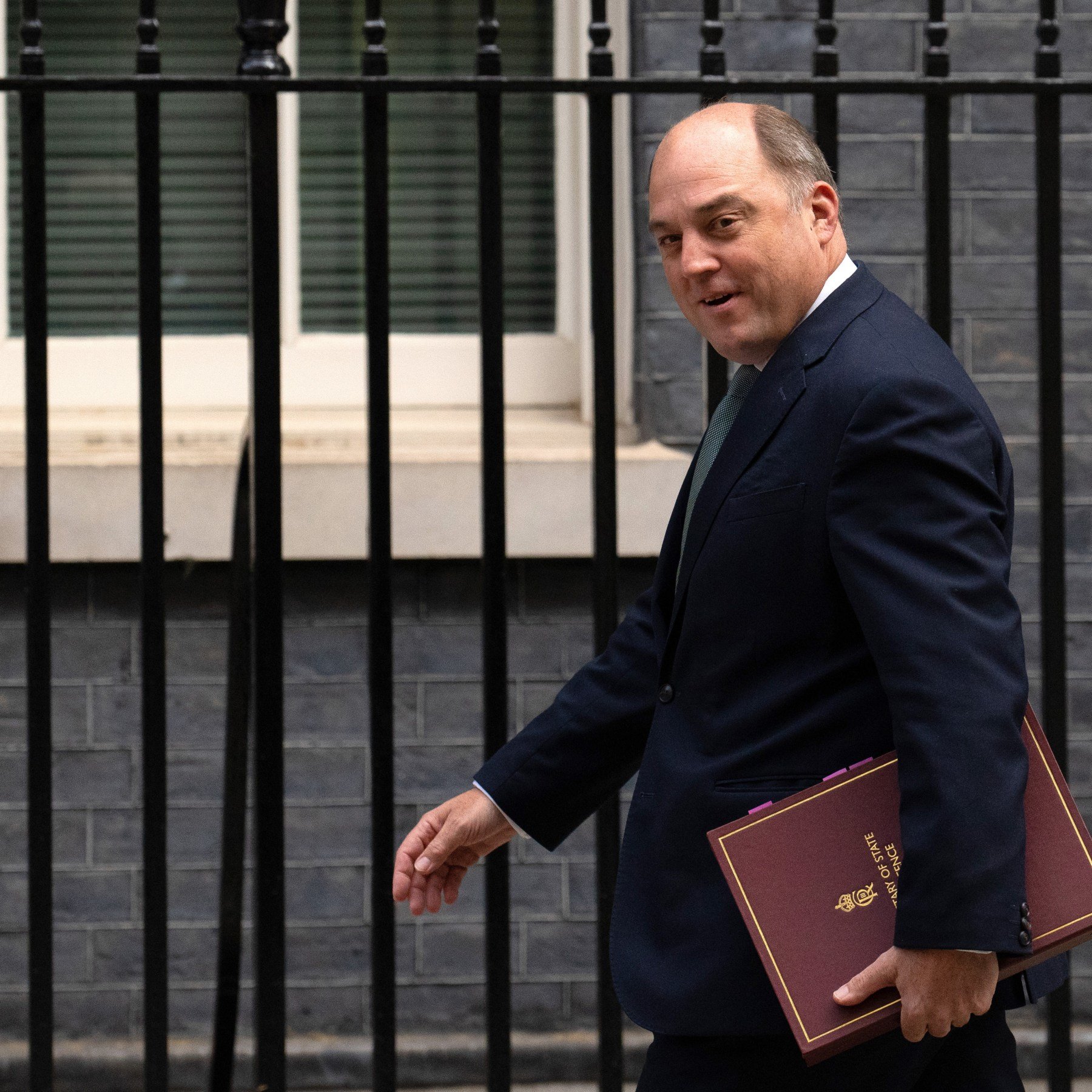
Russia’s decision to place former United Kingdom Defence Secretary Ben Wallace on its wanted list marks a further escalation in its broader campaign of legal and political pressure against Western officials associated with military support for Ukraine.
What is confirmed is that Russian authorities have formally added Wallace to a list of individuals they seek to detain, a designation typically issued through domestic legal channels and linked to allegations under Russian criminal statutes.
The specific legal basis cited by Russian authorities has not been independently verified in detail, but such listings are commonly associated with accusations connected to national security, military cooperation with Ukraine, or what Moscow describes as hostile actions against the Russian state.
Ben Wallace served as UK Defence Secretary from 2019 to 2023 and was one of the most prominent British officials involved in coordinating military assistance to Ukraine following Russia’s full-scale invasion in 2022. Under his tenure, the UK became one of Kyiv’s leading military supporters, supplying weapons systems, training, and intelligence cooperation.
Wallace was also a frequent public advocate for sustained Western military backing for Ukraine, positioning Britain as one of the most active NATO contributors in the conflict.
The move by Russia fits a broader pattern of retaliatory listings targeting Western political and military figures.
Over the course of the war, Moscow has issued similar designations against officials from the United States, European Union member states, and international institutions.
These actions have limited practical enforcement power outside Russia but serve as political signals intended for domestic audiences and as symbolic counters to Western sanctions and legal measures imposed on Russian officials.
The legal mechanism behind such listings typically involves Russia’s interior ministry and law enforcement agencies issuing warrants or notices of wanted status within the country’s criminal justice system.
In practice, this does not imply immediate extradition capacity, as most countries involved, including the United Kingdom, do not recognise the jurisdiction or legal basis of politically motivated Russian charges in this context.
The UK government has consistently rejected previous Russian legal actions targeting its officials, describing them as illegitimate and politically driven.
British policy since 2022 has focused on sanctions, military aid to Ukraine, and coordination with NATO allies, making senior defence figures like Wallace central to Moscow’s criticism of Western involvement in the war.
The designation also reflects Russia’s increasing use of legal instruments as part of its hybrid response strategy, combining military operations in Ukraine with diplomatic isolation measures and domestic legal framing of foreign leaders.
While such listings have no direct operational effect within the UK, they reinforce the deterioration of formal relations between the two countries, which have remained at historic lows since the start of the conflict.
For Wallace personally, the listing carries limited practical consequences while he remains in the United Kingdom or allied countries that do not recognise Russian legal claims.
However, it further illustrates how former senior Western defence officials are being drawn into the extended geopolitical consequences of the Ukraine war even after leaving office.
The development underscores a continuing cycle of reciprocal measures between Russia and Western governments, in which symbolic legal actions are used alongside sanctions, travel bans, and diplomatic expulsions, reinforcing a long-term structural breakdown in relations rather than a short-term dispute.
What is confirmed is that Russian authorities have formally added Wallace to a list of individuals they seek to detain, a designation typically issued through domestic legal channels and linked to allegations under Russian criminal statutes.
The specific legal basis cited by Russian authorities has not been independently verified in detail, but such listings are commonly associated with accusations connected to national security, military cooperation with Ukraine, or what Moscow describes as hostile actions against the Russian state.
Ben Wallace served as UK Defence Secretary from 2019 to 2023 and was one of the most prominent British officials involved in coordinating military assistance to Ukraine following Russia’s full-scale invasion in 2022. Under his tenure, the UK became one of Kyiv’s leading military supporters, supplying weapons systems, training, and intelligence cooperation.
Wallace was also a frequent public advocate for sustained Western military backing for Ukraine, positioning Britain as one of the most active NATO contributors in the conflict.
The move by Russia fits a broader pattern of retaliatory listings targeting Western political and military figures.
Over the course of the war, Moscow has issued similar designations against officials from the United States, European Union member states, and international institutions.
These actions have limited practical enforcement power outside Russia but serve as political signals intended for domestic audiences and as symbolic counters to Western sanctions and legal measures imposed on Russian officials.
The legal mechanism behind such listings typically involves Russia’s interior ministry and law enforcement agencies issuing warrants or notices of wanted status within the country’s criminal justice system.
In practice, this does not imply immediate extradition capacity, as most countries involved, including the United Kingdom, do not recognise the jurisdiction or legal basis of politically motivated Russian charges in this context.
The UK government has consistently rejected previous Russian legal actions targeting its officials, describing them as illegitimate and politically driven.
British policy since 2022 has focused on sanctions, military aid to Ukraine, and coordination with NATO allies, making senior defence figures like Wallace central to Moscow’s criticism of Western involvement in the war.
The designation also reflects Russia’s increasing use of legal instruments as part of its hybrid response strategy, combining military operations in Ukraine with diplomatic isolation measures and domestic legal framing of foreign leaders.
While such listings have no direct operational effect within the UK, they reinforce the deterioration of formal relations between the two countries, which have remained at historic lows since the start of the conflict.
For Wallace personally, the listing carries limited practical consequences while he remains in the United Kingdom or allied countries that do not recognise Russian legal claims.
However, it further illustrates how former senior Western defence officials are being drawn into the extended geopolitical consequences of the Ukraine war even after leaving office.
The development underscores a continuing cycle of reciprocal measures between Russia and Western governments, in which symbolic legal actions are used alongside sanctions, travel bans, and diplomatic expulsions, reinforcing a long-term structural breakdown in relations rather than a short-term dispute.