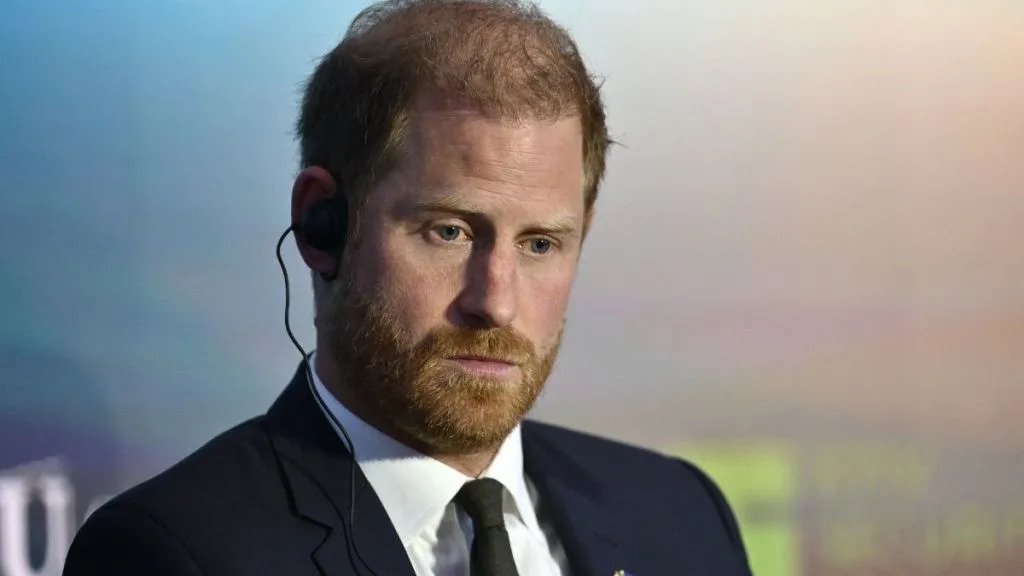
Australia Cuts Funding to Invictus Australia, Delivering a Major Setback to Prince Harry’s Veterans Initiative
The Albanese government’s decision not to renew federal support for Invictus Australia has triggered warnings from veterans and charity leaders that critical rehabilitation and mental health programs could be reduced ahead of the 2027 Invictus Games.
The Australian government’s decision to withdraw ongoing federal funding from Invictus Australia represents a significant institutional setback for the veteran support organization linked to Prince Harry’s Invictus Games movement.
What is confirmed is that the Albanese government chose not to renew a previous three-year funding commitment worth approximately nine million Australian dollars.
The funding had supported Invictus Australia’s programs connecting serving and former military personnel with rehabilitation, sport, mental health support, and community recovery initiatives.
The organization said it received little warning before the decision appeared in the federal budget.
Invictus Australia evolved from Australia’s participation in the Invictus Games, the international sporting competition founded by Prince Harry in twenty fourteen for wounded, injured, and sick military personnel and veterans.
While the Games themselves are globally recognized, the Australian organization operates year-round support programs extending far beyond elite sporting competition.
That distinction matters.
The core issue is not simply whether Australia will continue participating in future Invictus Games events.
The larger concern involves the survival of broader veteran wellbeing programs tied to physical activity, social connection, rehabilitation, and mental health recovery.
Invictus Australia says tens of thousands of veterans and family members have participated in its programs.
Veterans involved with the organization have publicly argued that the funding cut risks damaging services used by former military personnel dealing with post-traumatic stress disorder, depression, anxiety, social isolation, and transition challenges after military service.
Several participants described the programs as life-changing or life-saving.
The funding decision arrives at a politically sensitive time in Australia’s veterans policy debate.
The country has spent years confronting growing concern over veteran suicide, psychological injury, long-term trauma, and systemic failures in military support structures.
A major royal commission into defence and veteran suicide intensified scrutiny on how governments support former service members after active duty.
Sport and structured community engagement have increasingly been treated as important components of rehabilitation policy.
That context explains why the funding cut generated such strong reaction.
Invictus Australia’s leadership argues the programs align directly with broader national efforts to improve veteran wellbeing outcomes.
The organization says the removal of federal support threatens continuity, staffing stability, long-term planning, and Australia’s ability to maintain participation in future Games.
The government has not accused the organization of wrongdoing.
Instead, officials indicated the dedicated funding arrangement had concluded and suggested future veteran support initiatives may instead be delivered through broader competitive grant frameworks managed by the Veteran and Family Wellbeing Agency.
That explanation has not eliminated criticism.
Critics argue that removing stable multi-year funding creates uncertainty for programs serving vulnerable veterans, particularly when organizations depend heavily on government partnerships to operate at scale.
The political optics are also complicated.
Prince Harry remains closely associated with the Invictus Games internationally, even after stepping back from official royal duties in Britain.
The Games are widely regarded as one of the most successful and respected projects connected to his public life.
The funding loss therefore carries symbolic significance as well as operational consequences.
Recent scrutiny surrounding Invictus-related finances internationally has added another layer to the debate.
Questions have circulated in media and online discussions regarding event costs, sponsorship models, organizational spending, and long-term financial sustainability for major Games operations.
Some claims circulating online remain speculative or politically charged and have not been proven.
What is confirmed is that operating large international sporting events for veterans is expensive.
The Games require substantial logistics, travel coordination, accessibility infrastructure, medical support, staffing, security, and venue financing.
Organizers globally have increasingly relied on government partnerships, sponsors, and public funding.
The Australian funding decision may therefore reflect broader fiscal pressure as governments reassess discretionary spending programs during periods of economic constraint.
Australia’s latest federal budget included multiple politically contentious spending decisions tied to cost-of-living pressure, deficits, defence priorities, and economic uncertainty linked partly to global instability and energy market disruption.
Within that environment, charities and veteran organizations are competing for finite government resources.
Still, the backlash highlights the unusual public position occupied by Invictus.
Unlike many charities, the organization combines celebrity visibility, military symbolism, mental health advocacy, international diplomacy, and sporting culture simultaneously.
That gives it unusually high emotional and political visibility.
Australia previously hosted the Invictus Games in Sydney in twenty eighteen, an event widely viewed domestically as successful and publicly popular.
Invictus Australia had recently expressed interest in pursuing another future Australian hosting bid.
The funding cut now raises questions about how ambitious future plans can realistically remain without stable federal backing.
The timing is especially difficult because veteran support organizations globally are facing rising demand.
Many countries are reporting growing awareness of long-term psychological injury among former military personnel, alongside increased pressure on healthcare systems and veteran welfare agencies.
Organizations like Invictus increasingly position themselves not merely as sports charities but as preventative mental health and social reintegration programs.
That reframing has become central to their funding arguments.
For Prince Harry personally, the development represents another challenge tied to one of the few remaining projects still strongly associated with his public identity.
Since leaving frontline royal duties, the Invictus Games have remained a core part of his international profile and charitable reputation.
Funding instability inside national partner organizations therefore carries broader reputational implications for the wider Invictus ecosystem.
At the same time, the Australian government has not withdrawn support for veterans generally.
Officials maintain that future funding opportunities for veteran wellbeing initiatives will continue through revised government mechanisms.
The dispute instead centers on whether replacing direct support with competitive funding structures weakens organizations already delivering established services.
The immediate consequence is concrete.
Invictus Australia now faces financial restructuring pressure, uncertainty around future programming, and increased urgency to secure alternative public or private funding streams as preparations continue toward the twenty twenty-seven Invictus Games in Birmingham.
What is confirmed is that the Albanese government chose not to renew a previous three-year funding commitment worth approximately nine million Australian dollars.
The funding had supported Invictus Australia’s programs connecting serving and former military personnel with rehabilitation, sport, mental health support, and community recovery initiatives.
The organization said it received little warning before the decision appeared in the federal budget.
Invictus Australia evolved from Australia’s participation in the Invictus Games, the international sporting competition founded by Prince Harry in twenty fourteen for wounded, injured, and sick military personnel and veterans.
While the Games themselves are globally recognized, the Australian organization operates year-round support programs extending far beyond elite sporting competition.
That distinction matters.
The core issue is not simply whether Australia will continue participating in future Invictus Games events.
The larger concern involves the survival of broader veteran wellbeing programs tied to physical activity, social connection, rehabilitation, and mental health recovery.
Invictus Australia says tens of thousands of veterans and family members have participated in its programs.
Veterans involved with the organization have publicly argued that the funding cut risks damaging services used by former military personnel dealing with post-traumatic stress disorder, depression, anxiety, social isolation, and transition challenges after military service.
Several participants described the programs as life-changing or life-saving.
The funding decision arrives at a politically sensitive time in Australia’s veterans policy debate.
The country has spent years confronting growing concern over veteran suicide, psychological injury, long-term trauma, and systemic failures in military support structures.
A major royal commission into defence and veteran suicide intensified scrutiny on how governments support former service members after active duty.
Sport and structured community engagement have increasingly been treated as important components of rehabilitation policy.
That context explains why the funding cut generated such strong reaction.
Invictus Australia’s leadership argues the programs align directly with broader national efforts to improve veteran wellbeing outcomes.
The organization says the removal of federal support threatens continuity, staffing stability, long-term planning, and Australia’s ability to maintain participation in future Games.
The government has not accused the organization of wrongdoing.
Instead, officials indicated the dedicated funding arrangement had concluded and suggested future veteran support initiatives may instead be delivered through broader competitive grant frameworks managed by the Veteran and Family Wellbeing Agency.
That explanation has not eliminated criticism.
Critics argue that removing stable multi-year funding creates uncertainty for programs serving vulnerable veterans, particularly when organizations depend heavily on government partnerships to operate at scale.
The political optics are also complicated.
Prince Harry remains closely associated with the Invictus Games internationally, even after stepping back from official royal duties in Britain.
The Games are widely regarded as one of the most successful and respected projects connected to his public life.
The funding loss therefore carries symbolic significance as well as operational consequences.
Recent scrutiny surrounding Invictus-related finances internationally has added another layer to the debate.
Questions have circulated in media and online discussions regarding event costs, sponsorship models, organizational spending, and long-term financial sustainability for major Games operations.
Some claims circulating online remain speculative or politically charged and have not been proven.
What is confirmed is that operating large international sporting events for veterans is expensive.
The Games require substantial logistics, travel coordination, accessibility infrastructure, medical support, staffing, security, and venue financing.
Organizers globally have increasingly relied on government partnerships, sponsors, and public funding.
The Australian funding decision may therefore reflect broader fiscal pressure as governments reassess discretionary spending programs during periods of economic constraint.
Australia’s latest federal budget included multiple politically contentious spending decisions tied to cost-of-living pressure, deficits, defence priorities, and economic uncertainty linked partly to global instability and energy market disruption.
Within that environment, charities and veteran organizations are competing for finite government resources.
Still, the backlash highlights the unusual public position occupied by Invictus.
Unlike many charities, the organization combines celebrity visibility, military symbolism, mental health advocacy, international diplomacy, and sporting culture simultaneously.
That gives it unusually high emotional and political visibility.
Australia previously hosted the Invictus Games in Sydney in twenty eighteen, an event widely viewed domestically as successful and publicly popular.
Invictus Australia had recently expressed interest in pursuing another future Australian hosting bid.
The funding cut now raises questions about how ambitious future plans can realistically remain without stable federal backing.
The timing is especially difficult because veteran support organizations globally are facing rising demand.
Many countries are reporting growing awareness of long-term psychological injury among former military personnel, alongside increased pressure on healthcare systems and veteran welfare agencies.
Organizations like Invictus increasingly position themselves not merely as sports charities but as preventative mental health and social reintegration programs.
That reframing has become central to their funding arguments.
For Prince Harry personally, the development represents another challenge tied to one of the few remaining projects still strongly associated with his public identity.
Since leaving frontline royal duties, the Invictus Games have remained a core part of his international profile and charitable reputation.
Funding instability inside national partner organizations therefore carries broader reputational implications for the wider Invictus ecosystem.
At the same time, the Australian government has not withdrawn support for veterans generally.
Officials maintain that future funding opportunities for veteran wellbeing initiatives will continue through revised government mechanisms.
The dispute instead centers on whether replacing direct support with competitive funding structures weakens organizations already delivering established services.
The immediate consequence is concrete.
Invictus Australia now faces financial restructuring pressure, uncertainty around future programming, and increased urgency to secure alternative public or private funding streams as preparations continue toward the twenty twenty-seven Invictus Games in Birmingham.