Keir Starmer’s Premiership Faces Unprecedented Strain as Epstein Fallout Deepens
British prime minister confronts intense political pressure and internal dissent after appointment of Peter Mandelson triggers national scandal
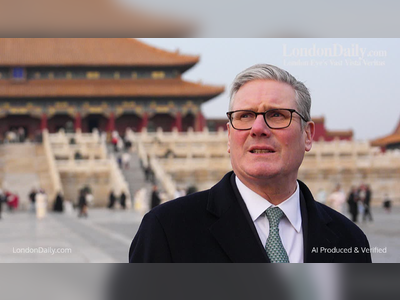
British Prime Minister Keir Starmer is confronting one of the gravest crises of his leadership as the political fall-out from the Jeffrey Epstein file releases escalates, with calls from within his own party and the opposition for his resignation showing no sign of abating.
The controversy centers on Starmer’s 2024 decision to appoint veteran Labour figure Peter Mandelson as the United Kingdom’s ambassador to the United States — a choice now widely criticised after new documents revealed deeper and more extensive ties between Mandelson and the late financier.
The revelations, drawn from millions of pages of material made public by the United States Justice Department, have shown that Mandelson maintained contact with Epstein well after Epstein’s 2008 conviction and may have shared sensitive market and government information with him, prompting a criminal investigation by the Metropolitan Police for misconduct in public office.
Mandelson, who was later dismissed from his diplomatic post in 2025 and resigned from the House of Lords, has stepped back from frontline politics as police searches are carried out at properties linked to him.
The scandal has exacted a heavy toll on Starmer’s administration.
His chief of staff, Morgan McSweeney, resigned after acknowledging responsibility for advising the contentious appointment, and Downing Street’s director of communications, Tim Allan, also stepped down amid the crisis.
Senior figures within the Labour Party, including the Scottish Labour leader Anas Sarwar, have publicly urged Starmer to consider his position, arguing that the ongoing distraction undermines the government’s focus on key policy objectives and electoral priorities.
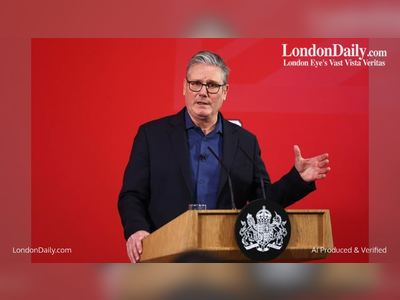
Starmer has defended his premiership and rejected calls to step aside, stressing his commitment to delivering his mandate and denying that he was personally implicated in any wrongdoing.
He has acknowledged being misled about the full extent of Mandelson’s relationship with Epstein and apologised to victims, while insisting that his wider reform agenda remains on track.
Nevertheless, the controversy has dented confidence among some Labour MPs and exposed fault lines within the party at a critical moment ahead of elections.
Opposition parties have seized on the scandal to intensify pressure on the prime minister, demanding transparency and accountability in how senior appointments are vetted and urging a confidence vote in Parliament.
The dispute has also triggered wider public debate in Britain about standards in public office and the extent to which past associations should influence current political leadership.
With the political turbulence showing no immediate sign of abating, Starmer’s ability to navigate the crisis and retain the support of his colleagues may prove pivotal to the future of his government.
The controversy centers on Starmer’s 2024 decision to appoint veteran Labour figure Peter Mandelson as the United Kingdom’s ambassador to the United States — a choice now widely criticised after new documents revealed deeper and more extensive ties between Mandelson and the late financier.
The revelations, drawn from millions of pages of material made public by the United States Justice Department, have shown that Mandelson maintained contact with Epstein well after Epstein’s 2008 conviction and may have shared sensitive market and government information with him, prompting a criminal investigation by the Metropolitan Police for misconduct in public office.
Mandelson, who was later dismissed from his diplomatic post in 2025 and resigned from the House of Lords, has stepped back from frontline politics as police searches are carried out at properties linked to him.
The scandal has exacted a heavy toll on Starmer’s administration.
His chief of staff, Morgan McSweeney, resigned after acknowledging responsibility for advising the contentious appointment, and Downing Street’s director of communications, Tim Allan, also stepped down amid the crisis.
Senior figures within the Labour Party, including the Scottish Labour leader Anas Sarwar, have publicly urged Starmer to consider his position, arguing that the ongoing distraction undermines the government’s focus on key policy objectives and electoral priorities.
Starmer has defended his premiership and rejected calls to step aside, stressing his commitment to delivering his mandate and denying that he was personally implicated in any wrongdoing.
He has acknowledged being misled about the full extent of Mandelson’s relationship with Epstein and apologised to victims, while insisting that his wider reform agenda remains on track.
Nevertheless, the controversy has dented confidence among some Labour MPs and exposed fault lines within the party at a critical moment ahead of elections.
Opposition parties have seized on the scandal to intensify pressure on the prime minister, demanding transparency and accountability in how senior appointments are vetted and urging a confidence vote in Parliament.
The dispute has also triggered wider public debate in Britain about standards in public office and the extent to which past associations should influence current political leadership.
With the political turbulence showing no immediate sign of abating, Starmer’s ability to navigate the crisis and retain the support of his colleagues may prove pivotal to the future of his government.