Who Could Replace Keir Starmer as UK Prime Minister Amid Intensifying Leadership Crisis
Speculation grows around potential successors including senior Labour figures if Starmer resigns or is challenged following political turmoil
As political pressure on British Prime Minister Keir Starmer escalates amid fallout from the Peter Mandelson appointment and the release of internal Epstein-related documents, speculation over who might succeed him has intensified across Westminster and within the Labour Party.
Although there is no formal mechanism to automatically remove a sitting prime minister, a leadership contest could be triggered if Starmer resigns or faces a challenge backed by a significant number of Labour lawmakers.
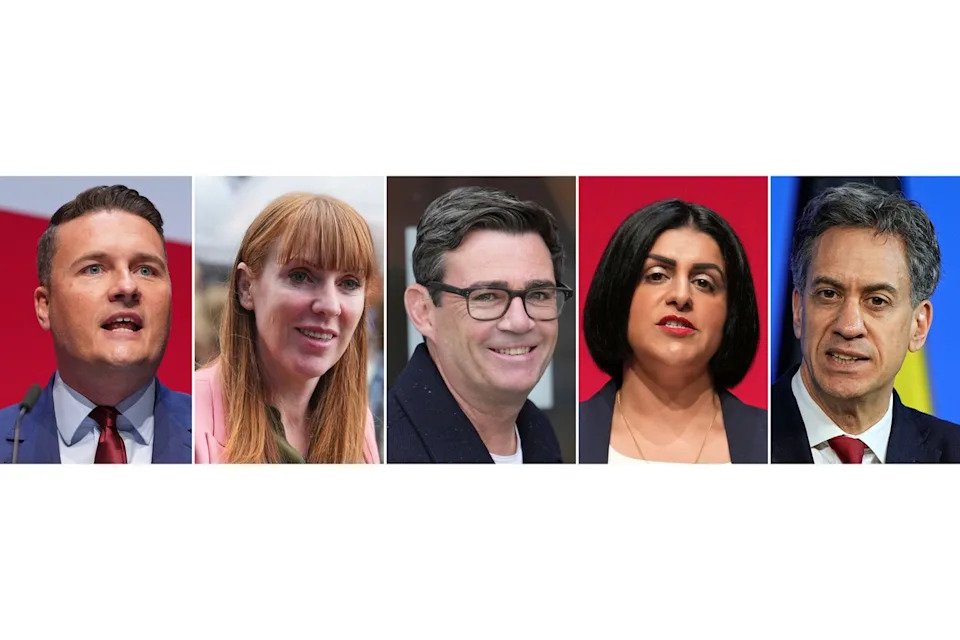
Among the individuals most frequently mentioned as potential successors is Health Secretary Wes Streeting, who has established a reputation as an articulate communicator and loyal government voice on major policy issues.
Streeting has denied harbouring leadership ambitions but is considered a credible contender should a contest unfold.
Former Deputy Prime Minister Angela Rayner, who commands strong grassroots support, remains another prominent figure, although her recent resignation from the cabinet on unrelated issues complicates her standing.
Greater Manchester Mayor Andy Burnham has been widely discussed as a successor, buoyed by high approval ratings and a track record of regional leadership, but his route back to Parliament and into frontline national politics would require securing a Commons seat, a hurdle that has so far proved difficult with party structures blocking potential bids.
Home Secretary Shabana Mahmood is also gaining attention within party circles, particularly among right-leaning Labour members, due to her firm stance on immigration and law-and-order issues.
Energy Secretary Ed Miliband’s name has been floated as well, given his experience and prior leadership role, though he appears less keen to seek the top job again.
Deputy Prime Minister David Lammy could serve as an interim leader in the event of a sudden vacancy at Number 10, given his senior role in government, even if he does not mount a full leadership bid.
Labour’s internal rules require the support of at least eighty MPs to trigger a leadership contest, a tall order in the current climate, and there is no clear front-runner with consolidated backing.
Polling among party members in recent months has shown Burnham, Rayner and Streeting as perennial favourites to replace Starmer in a hypothetical contest, highlighting the depth of speculation should his leadership falter further.
As Starmer’s political vulnerability continues to play out, attention on potential successors underlines the broader strategic questions facing Labour as it seeks to maintain stability and public confidence ahead of forthcoming local and national electoral tests.
Although there is no formal mechanism to automatically remove a sitting prime minister, a leadership contest could be triggered if Starmer resigns or faces a challenge backed by a significant number of Labour lawmakers.
Among the individuals most frequently mentioned as potential successors is Health Secretary Wes Streeting, who has established a reputation as an articulate communicator and loyal government voice on major policy issues.
Streeting has denied harbouring leadership ambitions but is considered a credible contender should a contest unfold.
Former Deputy Prime Minister Angela Rayner, who commands strong grassroots support, remains another prominent figure, although her recent resignation from the cabinet on unrelated issues complicates her standing.
Greater Manchester Mayor Andy Burnham has been widely discussed as a successor, buoyed by high approval ratings and a track record of regional leadership, but his route back to Parliament and into frontline national politics would require securing a Commons seat, a hurdle that has so far proved difficult with party structures blocking potential bids.
Home Secretary Shabana Mahmood is also gaining attention within party circles, particularly among right-leaning Labour members, due to her firm stance on immigration and law-and-order issues.
Energy Secretary Ed Miliband’s name has been floated as well, given his experience and prior leadership role, though he appears less keen to seek the top job again.
Deputy Prime Minister David Lammy could serve as an interim leader in the event of a sudden vacancy at Number 10, given his senior role in government, even if he does not mount a full leadership bid.
Labour’s internal rules require the support of at least eighty MPs to trigger a leadership contest, a tall order in the current climate, and there is no clear front-runner with consolidated backing.
Polling among party members in recent months has shown Burnham, Rayner and Streeting as perennial favourites to replace Starmer in a hypothetical contest, highlighting the depth of speculation should his leadership falter further.
As Starmer’s political vulnerability continues to play out, attention on potential successors underlines the broader strategic questions facing Labour as it seeks to maintain stability and public confidence ahead of forthcoming local and national electoral tests.