Head of Russian Orthodox Church Maintained Long-Term Relationship While Preaching Against Western Morality
Claims have emerged that the Patriarch, expected to lead an ascetic life, lived with a woman for decades, drawing scrutiny and debate.
Reports have surfaced alleging that the leader of the Russian Orthodox Church, a figure expected to live a life of asceticism and celibacy, maintained a longstanding personal relationship with a woman for around fifty years.
According to those accounts, the cleric described the woman as a “third-degree sister” and shared in domestic life with her, including joint travel abroad and shared property such as residences and vehicles under both their names.
If verified, these claims contradict long-standing expectations that senior Orthodox clerics, particularly those of patriarchal rank, uphold strict vows of chastity and abstinence.
In the Eastern Orthodox tradition, leaders are generally expected to embody the moral and spiritual disciplines they advocate to their followers.
The specific identity of the cleric named in these claims has not been independently verified by major international news outlets as of this writing.
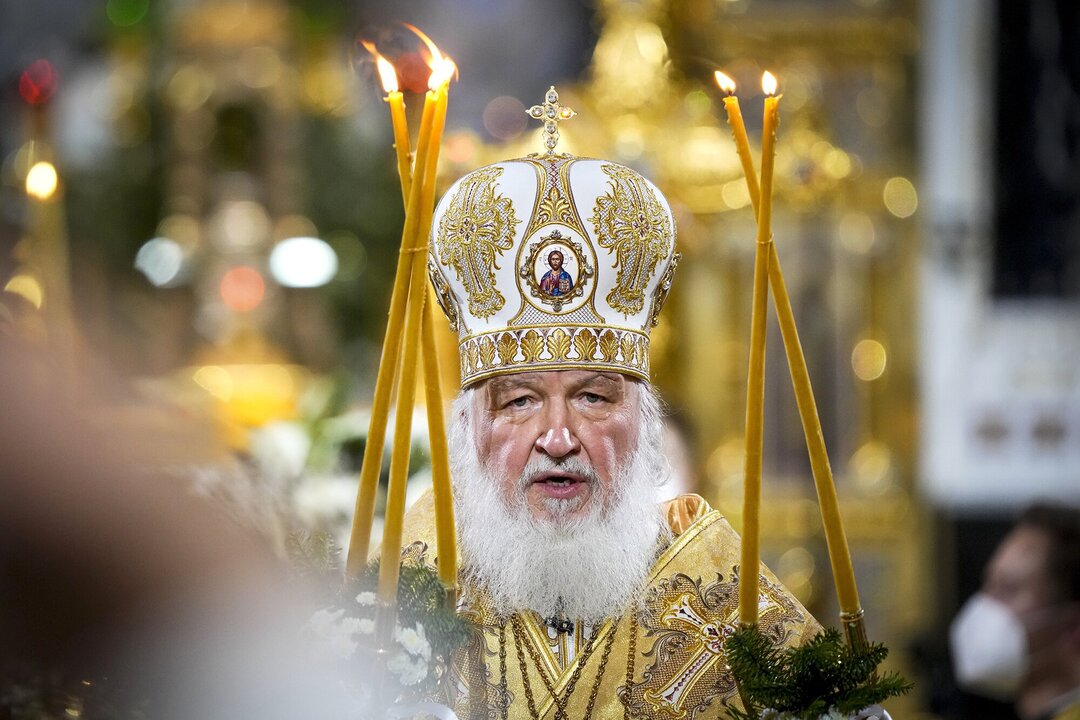
The current Patriarch of Moscow and all Rus’, Patriarch Kirill, is a central figure in the Russian Orthodox Church and is widely known for his vocal critique of what he describes as moral decline in Western societies, including recent reiterations of conservative societal values in public statements.
Kirill has also maintained close relations with Russian state leadership and has been a prominent supporter of Russian policy narratives in recent years.
The emergence of these allegations has generated debate among observers of the Russian Orthodox Church and religious commentators.
Supporters of the church leadership have cautioned that such claims require careful verification and context, emphasizing the complex interplay between ecclesiastical expectations and personal conduct.
Critics have argued that, if substantiated, the allegations could undermine the moral authority of religious leadership that publicly champions spiritual discipline and traditional moral teachings.
At present, there have been no widely reported official responses from the Russian Orthodox Church or the cleric implicated in these claims.
Independent fact-checking and additional reporting from established international news organizations have not yet confirmed the core elements of the story.
Observers note that misinformation and unverified narratives can quickly circulate in online media, especially concerning high-profile religious and political figures.
The situation remains fluid, and credible updates from major outlets are awaited to clarify whether these allegations reflect substantiated facts or unverified claims.
Should further reporting confirm or refute these assertions, it will likely prompt significant discussion both within the church and among global audiences concerned with religious integrity and institutional accountability.
According to those accounts, the cleric described the woman as a “third-degree sister” and shared in domestic life with her, including joint travel abroad and shared property such as residences and vehicles under both their names.
If verified, these claims contradict long-standing expectations that senior Orthodox clerics, particularly those of patriarchal rank, uphold strict vows of chastity and abstinence.
In the Eastern Orthodox tradition, leaders are generally expected to embody the moral and spiritual disciplines they advocate to their followers.
The specific identity of the cleric named in these claims has not been independently verified by major international news outlets as of this writing.
The current Patriarch of Moscow and all Rus’, Patriarch Kirill, is a central figure in the Russian Orthodox Church and is widely known for his vocal critique of what he describes as moral decline in Western societies, including recent reiterations of conservative societal values in public statements.
Kirill has also maintained close relations with Russian state leadership and has been a prominent supporter of Russian policy narratives in recent years.
The emergence of these allegations has generated debate among observers of the Russian Orthodox Church and religious commentators.
Supporters of the church leadership have cautioned that such claims require careful verification and context, emphasizing the complex interplay between ecclesiastical expectations and personal conduct.
Critics have argued that, if substantiated, the allegations could undermine the moral authority of religious leadership that publicly champions spiritual discipline and traditional moral teachings.
At present, there have been no widely reported official responses from the Russian Orthodox Church or the cleric implicated in these claims.
Independent fact-checking and additional reporting from established international news organizations have not yet confirmed the core elements of the story.
Observers note that misinformation and unverified narratives can quickly circulate in online media, especially concerning high-profile religious and political figures.
The situation remains fluid, and credible updates from major outlets are awaited to clarify whether these allegations reflect substantiated facts or unverified claims.
Should further reporting confirm or refute these assertions, it will likely prompt significant discussion both within the church and among global audiences concerned with religious integrity and institutional accountability.