Britain Urged to Confront Looming ‘Second China Shock’ as Exports Surge and UK Response Is Seen as Too Timid
Economist George Magnus warns that China’s industrial strategy could reshape global trade and that the UK must adopt a more strategic policy stance
Britain is facing what economists term a “second China shock” — a renewed wave of Chinese manufactured exports and state-driven industrial expansion that is reshaping global economic dynamics — but the United Kingdom’s policy response has been judged insufficient by leading commentators.
George Magnus, a research associate at Oxford University’s China Centre and a seasoned China analyst, argues that the second shock differs from the first, which followed China’s accession to the World Trade Organization in 2001, because it is rooted not in integration but in Beijing’s concerted effort to lead cutting-edge sectors such as electric vehicles, batteries, robotics, artificial intelligence and biotechnology.
This strategy is backed by extensive state support and industrial policy, intensifying competition for advanced manufacturing globally.
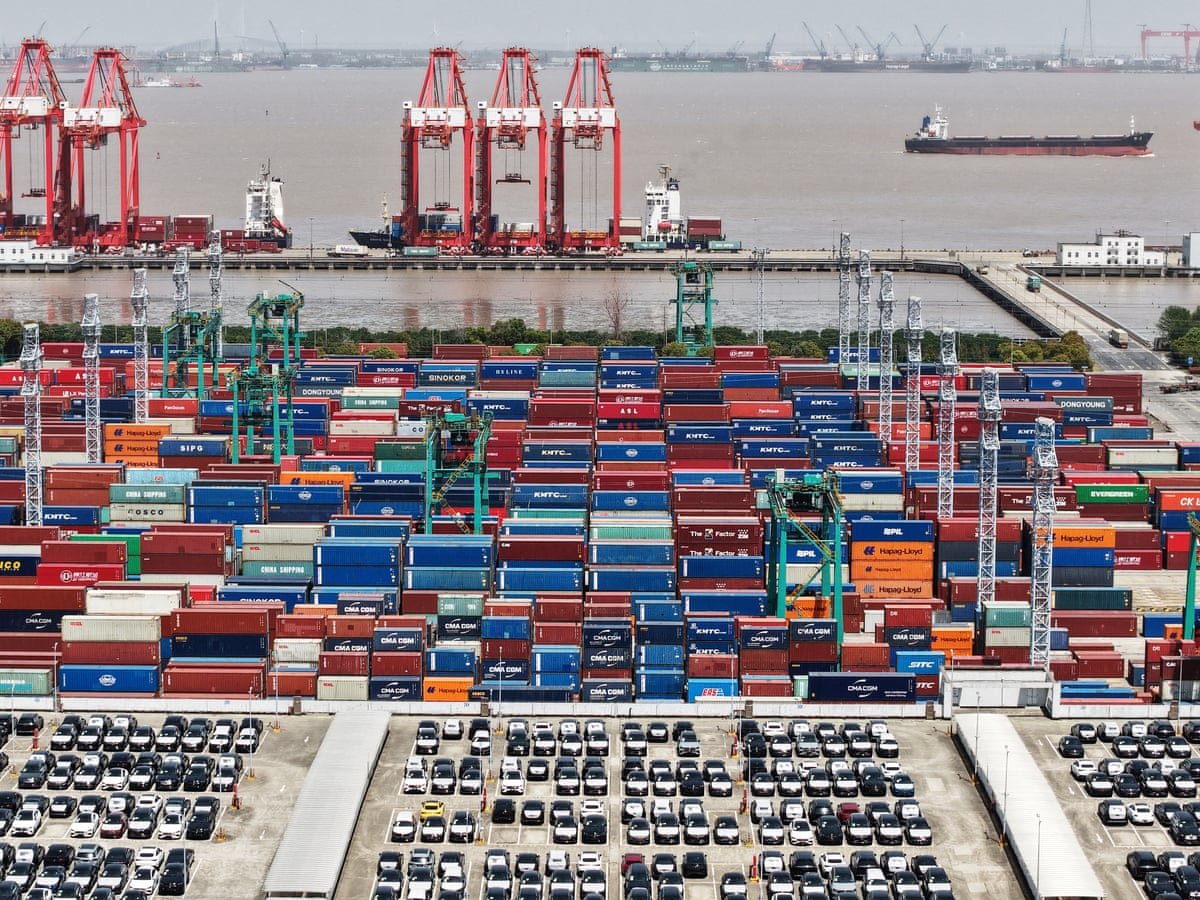
In recent months, China’s industrial output and export volumes have surged as domestic demand stagnates and overcapacity pushes goods abroad.
Exports to markets including Europe and the UK have expanded sharply, driven in part by an undervalued exchange rate and Beijing’s determination to maintain export growth even amid structural challenges at home.
The resulting trade imbalances threaten the industrial bases of advanced economies, as Chinese products — from consumer electronics to high-tech equipment — increasingly compete with local manufacturers.
Western policy responses have varied; the European Union has introduced tariffs and monitoring mechanisms for specific sectors, whereas the UK’s measures so far have been described as comparatively cautious, focusing on selective trade defence actions without a comprehensive strategic framework.
Magnus highlights that the UK government’s approach — which has included enhanced powers for trade investigation authorities and engagement with European counterparts — falls short of confronting the scale and nature of Beijing’s industrial drive.
The Economist argues that Prime Minister Keir Starmer’s anticipated diplomatic engagement with Chinese leadership should prioritise substantive discussions about competitive imbalances and structural challenges rather than solely economic growth narratives.
Without a decisive and integrated policy response, the UK risks seeing its domestic industries face intensified competitive pressures, potentially diluting manufacturing capacity and exacerbating trade deficits.
While the second China shock presents risks, it also underscores the need for coordinated transatlantic and European strategies that align industrial policy, trade defence and strategic investment to support long-term economic resilience and innovation capacity.
George Magnus, a research associate at Oxford University’s China Centre and a seasoned China analyst, argues that the second shock differs from the first, which followed China’s accession to the World Trade Organization in 2001, because it is rooted not in integration but in Beijing’s concerted effort to lead cutting-edge sectors such as electric vehicles, batteries, robotics, artificial intelligence and biotechnology.
This strategy is backed by extensive state support and industrial policy, intensifying competition for advanced manufacturing globally.
In recent months, China’s industrial output and export volumes have surged as domestic demand stagnates and overcapacity pushes goods abroad.
Exports to markets including Europe and the UK have expanded sharply, driven in part by an undervalued exchange rate and Beijing’s determination to maintain export growth even amid structural challenges at home.
The resulting trade imbalances threaten the industrial bases of advanced economies, as Chinese products — from consumer electronics to high-tech equipment — increasingly compete with local manufacturers.
Western policy responses have varied; the European Union has introduced tariffs and monitoring mechanisms for specific sectors, whereas the UK’s measures so far have been described as comparatively cautious, focusing on selective trade defence actions without a comprehensive strategic framework.
Magnus highlights that the UK government’s approach — which has included enhanced powers for trade investigation authorities and engagement with European counterparts — falls short of confronting the scale and nature of Beijing’s industrial drive.
The Economist argues that Prime Minister Keir Starmer’s anticipated diplomatic engagement with Chinese leadership should prioritise substantive discussions about competitive imbalances and structural challenges rather than solely economic growth narratives.
Without a decisive and integrated policy response, the UK risks seeing its domestic industries face intensified competitive pressures, potentially diluting manufacturing capacity and exacerbating trade deficits.
While the second China shock presents risks, it also underscores the need for coordinated transatlantic and European strategies that align industrial policy, trade defence and strategic investment to support long-term economic resilience and innovation capacity.