France Agrees to Intercept Small Boats in Channel After UK Pressure as Crossings Surge
Paris will expand maritime interventions to stop suspected migrant taxi boats at sea in coordinated effort to curb dangerous Channel journeys
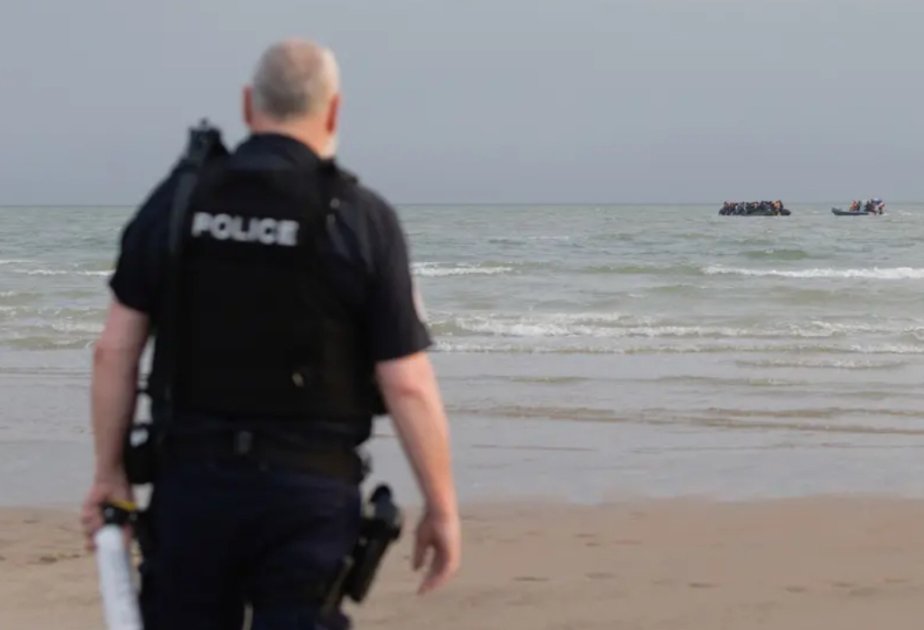
France has announced that its maritime forces will soon be empowered to intercept small boats suspected of facilitating crossings of the English Channel as part of stepped-up cooperation with the United Kingdom amid record numbers of migrant arrivals.
The initiative follows sustained diplomatic pressure from the UK government, which has urged Paris to adopt a more proactive operational stance against people-smuggling networks that launch precarious vessels from French beaches.
The measure forms part of a broader bilateral strategy that includes the so-called “one in, one out” return scheme designed to deter Channel crossings and manage irregular migration flows jointly.
Under the new arrangements, French maritime police will be authorised to carry out control and intervention operations at sea on vessels that appear to be so-called taxi boats — unregistered craft used by smugglers to transport migrants to passage points — before they pick up passengers.
Authorities stress that the aim of the policy is to protect human life at sea while disrupting dangerous journeys and cracking down on criminal smuggling networks that profit from unsafe crossings.
France’s adaptation of its enforcement posture comes against a backdrop of persistent high crossing figures, with more than forty-one thousand people making the perilous journey to the UK in small boats in 2025 — one of the busiest years on record.
The move to intercept vessels further offshore marks a significant shift, given that French police have historically been constrained by legal and safety considerations that limited intervention close to the shoreline.
In recent months, officials on both sides of the Channel have intensified collaboration on intelligence sharing and operational planning to address the complex dynamics of cross-border migration.
British authorities have maintained that effective deterrence requires cohesive action at sea, including preventing departure and intercepting smuggling operations before they reach international waters.
The enhanced maritime powers are expected to complement the UK-France “one in, one out” pilot scheme, under which migrants arriving in the UK by small boat can be returned to France, with an equivalent number accepted into the UK through safe, legal routes.
While the pilot has seen a limited number of returns, UK officials emphasise that it sends a clear message that unlawful entry will not be rewarded and is part of a comprehensive effort to scale up border security and dismantle smuggling networks.
French authorities have said that any interventions will be carried out with due regard for maritime safety and humanitarian considerations, even as they seek to balance domestic legal frameworks with joint commitments to reducing dangerous crossings.
The policy shift underscores intensifying Franco-British cooperation on migration, even as humanitarian organisations and legal advocates continue to challenge aspects of return and enforcement agreements.
Both governments have reiterated their commitment to addressing the underlying causes of irregular migration while enhancing operational measures to manage arrivals and uphold the safety of those attempting the hazardous passage across one of the world’s busiest shipping lanes.
The initiative follows sustained diplomatic pressure from the UK government, which has urged Paris to adopt a more proactive operational stance against people-smuggling networks that launch precarious vessels from French beaches.
The measure forms part of a broader bilateral strategy that includes the so-called “one in, one out” return scheme designed to deter Channel crossings and manage irregular migration flows jointly.
Under the new arrangements, French maritime police will be authorised to carry out control and intervention operations at sea on vessels that appear to be so-called taxi boats — unregistered craft used by smugglers to transport migrants to passage points — before they pick up passengers.
Authorities stress that the aim of the policy is to protect human life at sea while disrupting dangerous journeys and cracking down on criminal smuggling networks that profit from unsafe crossings.
France’s adaptation of its enforcement posture comes against a backdrop of persistent high crossing figures, with more than forty-one thousand people making the perilous journey to the UK in small boats in 2025 — one of the busiest years on record.
The move to intercept vessels further offshore marks a significant shift, given that French police have historically been constrained by legal and safety considerations that limited intervention close to the shoreline.
In recent months, officials on both sides of the Channel have intensified collaboration on intelligence sharing and operational planning to address the complex dynamics of cross-border migration.
British authorities have maintained that effective deterrence requires cohesive action at sea, including preventing departure and intercepting smuggling operations before they reach international waters.
The enhanced maritime powers are expected to complement the UK-France “one in, one out” pilot scheme, under which migrants arriving in the UK by small boat can be returned to France, with an equivalent number accepted into the UK through safe, legal routes.
While the pilot has seen a limited number of returns, UK officials emphasise that it sends a clear message that unlawful entry will not be rewarded and is part of a comprehensive effort to scale up border security and dismantle smuggling networks.
French authorities have said that any interventions will be carried out with due regard for maritime safety and humanitarian considerations, even as they seek to balance domestic legal frameworks with joint commitments to reducing dangerous crossings.
The policy shift underscores intensifying Franco-British cooperation on migration, even as humanitarian organisations and legal advocates continue to challenge aspects of return and enforcement agreements.
Both governments have reiterated their commitment to addressing the underlying causes of irregular migration while enhancing operational measures to manage arrivals and uphold the safety of those attempting the hazardous passage across one of the world’s busiest shipping lanes.