A former SAS commander who led a 1988 ambush in which three IRA men were killed has denied that the regiment conducted shoot-to-kill missions, breaking almost 50 years of silence to accuse the government of abandoning veterans through its Troubles legislation.
George Simm, 72, served in Northern Ireland during the 1970s and 1980s and took part in hundreds of operations. He distinguishes firing to kill under threat from deploying with a predetermined intention to kill rather than arrest.
He said the SAS arrested more people than it killed, although no official figures for killings by the unit are available. The regiment was involved in scores of controversial killings during the conflict; most of those it killed were IRA members, but some were civilians.
Simm commanded the operation at Drumnakilly, near Omagh, in which brothers Gerard Harte, 29, and Martin Harte, 23, and their brother-in-law Brian Mullan, 26, died. The three had planned to kill an off-duty UDR soldier driving a coal lorry.
Forewarned, the SAS positioned soldiers nearby while Simm posed as the driver of a broken-down lorry. He said Martin Harte fired at him from an approaching car and beneath the vehicle. Another man then came round the lorry to kill him before soldiers opened fire. Simm said the confrontation lasted three or four seconds.
The families maintain that the men could have been arrested. Ignatius Harte, brother of Gerard and Martin, argued that the Army’s prior knowledge and access to the weapons made arrests possible. “They lured them into an ambush and shot them dead without any warning,” he said.
The dispute therefore concerns both the immediate threat described by Simm and whether earlier intervention could have prevented the killings. Simm said he had already answered questions at an inquest and had nothing to hide.
Labour’s Northern Ireland Troubles Bill, progressing through Westminster, replaces the Conservatives’ contentious 2023 Legacy Act, which banned Troubles-related inquests and civil actions. It provides for a legacy commission, a separate information recovery body and a dedicated unit within Ireland’s police service.
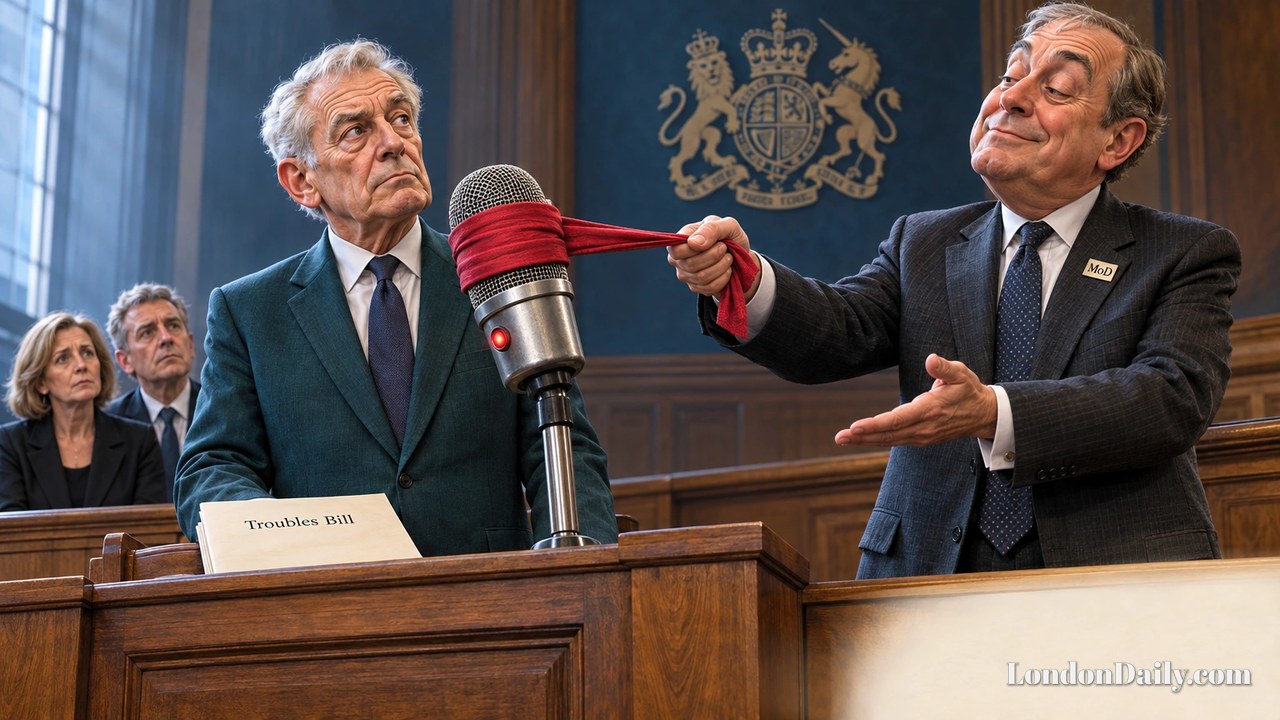
Simm accused the Ministry of Defence of censoring veterans while requiring courtroom testimony, and questioned why others in the chain of command were not called. He also accused republicans of continuing the conflict through social media and legal processes, describing the IRA campaign as having achieved nothing.
The government says strengthened safeguards protect veterans providing information to the commission or coroners. The Northern Ireland Office says the bill distinguishes lawful military conduct from terrorism and requires consideration of operational circumstances and senior officers’ orders.








Join the conversation