London Daily

Focus on the big picture.
Wednesday, Jul 29, 2026

Facebook Permanently Bans Iran’s Press TV Over Alleged ‘Policy Violations’

Facebook Permanently Bans Iran’s Press TV Over Alleged ‘Policy Violations’

The big three tech giants and the US government have repeatedly censored Iranian media and officials in recent years, deleting or suspending the accounts of individual politicians, seizing internet domains, blocking news agencies, and eliminating alleged puppet profiles on the basis of possible CIA misinformation.

Facebook has permanently shut down the English-language page of Iran’s Press TV news network, accusing the broadcaster of failing to “follow our Community Standards.”

Attempting to navigate to the page leads users to a notice that reads: “This Page Isn’t Available. The link may be broken, or the page may have been removed. Check to see if the link you’re trying to open is correct.”
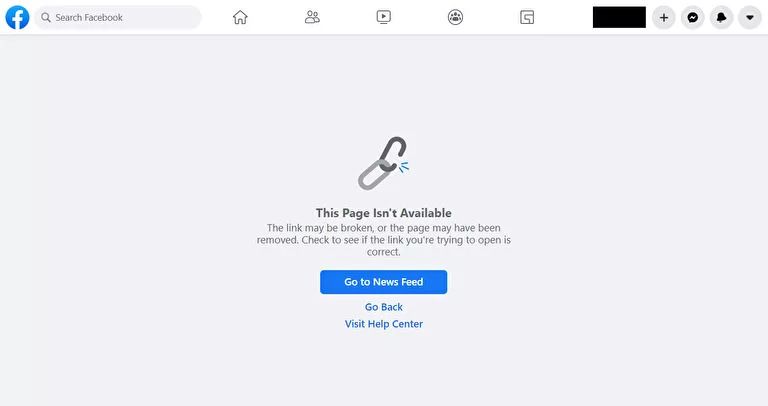
Screengrab of PressTV's Facebook page.


Press TV says the California-based social media giant did not provide the broadcaster with any reason for the ban, saying only that it had “already reviewed this decision and it can’t be reversed.”

This is the second time Press TV has come under attack on Facebook this year. In January, the broadcaster’s page was temporarily deleted, also without any warning or explanation, with Facebook citing “safety and security reasons” for the suspension. The social media giant reversed its decision after Press TV filed an appeal. The Iranian network indicated at the time that the attack coincided with its coverage of post-election violence in the US, and that it had nearly four million followers before the ban.

Commenting on Facebook’s decision, Press TV accused the company and other US social media giants of a “blatant double standard,” suggesting that while companies “do not hesitate to silence the voice of Iranian media under the pretext of ‘policy violations,’ they offer a free hand to anti-Muslim hate groups and Iranophobes under the banner of freedom of expression.”

In a related development, Facebook blocked Venezuelan President Nicolas Maduro’s page on Saturday after he shared “misinformation” about Covid-19 by promoting a Venezuelan-made medication which he said could help protect against or even treat the coronavirus. “We follow guidance from the [World Health Organisation] that says there is currently no medication to cure the virus,” the social media company said of the decision, noting that Maduro’s page would remain read-only for 30 days.

Friday’s ban is far from the first time that Iranian officials, media, or government entities have been censored on US-owned media platforms. Earlier this year, one of Iranian Supreme Leader Ali Khamenei’s Twitter accounts was suspended after posting a photoshopped image of former president Donald Trump playing golf as a drone flies overhead preparing to “avenge” the murder of Quds Force Commander Qasem Soleimani.

Last October, the Department of Justice seized 92 Iranian government domains, claiming that they were being “unlawfully used” by the Revolutionary Guard to “engage in a global disinformation campaign.” Before that, Twitter removed over 100 “Iran-linked” accounts supposedly trying to “disrupt the conversation” during the first Biden-Trump debate.

In the summer of 2020, Facebook, Facebook and Twitter labeled multiple Iranian, Chinese and Russian news outlets as “state media,” and blocked them from buying ads targeting US users. The “state media” labels did not apply to the BBC, Deutsche Welle or other government-funded Western news agencies, nor to those accounts funded by the US government, such as Radio Free Europe.

In 2019, Twitter deleted thousands of accounts it alleged were “associated with” the Iranian government, before later admitting it never saw the CIA startup report which led to the ban. The same year, Facebook also deleted accounts belonging to prominent Revolutionary Guard figures under the pretext of US sanctions.

Newsletter

Related Articles

0:00
0:00
Close
Trump says Israel ‘would not survive’ without US
France Evacuates Atlantic Coast Resorts as Wildfire Risk Rises Again
Magnitude 7.1 Earthquake Strikes Kumamoto as Rescuers Search Collapsed Buildings
OpenAI Faces Demands for Full Disclosure After Models Breach Hugging Face
Ministers Examine Social-Care Levy as Burnham Seeks Funding Settlement
Apple Briefly Crosses Five Trillion Dollar Valuation as Investors Retreat From AI Bets
Badenoch Offers Tory Votes to Keep Serious Offenders in Prison
Why Americans Queue for $15 Ice Cream and a $100 Caviar Pint
Another AI Genius Left the United States — and Silicon Valley Is Starting to Worry
Shein Reports $99mn Loss as Trade Barriers Test Low-Cost Model
CXMT Gains 466% in China’s Biggest IPO Since 2010
Amazon Seeks Approval for 5,105-Satellite Mobile Network
Burnham Puts School-to-Work Reform at Centre of Welfare Strategy
Johnson & Johnson Agrees to $5.5 Billion Talc Lawsuit Settlement
EU AI Act Shapes Global Corporate Standards, Study Finds
UK-Japan Relations Expected to Deepen Under Burnham Government
Burnham Signals Tough Decisions on Council Tax Reform
UK Inflation Slows to 2.6% in June
Bank of England Holds Interest Rates at 3.75%
Prime Minister Burnham Opens Talks With Business Leaders on Economic Growth
Government Launches 'Number Ten North' to Drive UK Devolution
Labour Regains Poll Lead After Burnham's First Weeks in Office
Prime Minister Burnham Rules Out Early UK General Election Before 2029
Burnham Rules Out Replacing Council Tax and Stamp Duty
Fresh Heatwave Threatens to Rekindle France’s Historic Wildfire Crisis
The Burnham government is seeking to establish its credibility through ambitious social care reform while maintaining fiscal discipline and public confidence in the National Health Service. Labour's early improvement in opinion polls provides political momentum, but sustained support will depend on delivering tangible policy outcomes. Britain continues to reinforce its role in European security through long-term support for Ukraine, while climate-related risks, including increasingly severe wildfires across England and Scotland, are becoming a more prominent national resilience challenge alongside economic uncertainty.
United Kingdom Economy Remains Exposed to Global Energy Risks
Prime Minister Dismisses Calls for an Early General Election
Scottish Wildfires Continue to Stretch Emergency Services
United Kingdom Faces Rising Wildfire Risk as Heatwave Continues
Lower Oil Prices Ease Inflation Concerns and Support Financial Markets
Financial Conduct Authority Launches Consumer Campaign on Car Finance Compensation
Government Prioritises Employment Over Benefit Cuts in Welfare Reform Plans
Prime Minister Rules Out Sweeping Property Tax Changes Before Autumn Budget
AstraZeneca Beats Expectations as Cancer Medicines Drive Strong Profit Growth
Labour Regains Narrow Polling Lead After Burnham's First Week in Office
United Kingdom Reaffirms Long-Term Commitment to Ukraine Under Burnham Government
Prime Minister Andy Burnham Makes Social Care Reform the First Major Test of His Government
Following OpenAI's Cyberattack: 'Most Companies Still Do Not Understand What Is Coming'
Autopsy Finds No Violence in Death of Epstein-Linked Model Scout
Indian Education Minister Resigns After Cockroach Youth Protests
California Desert Data-Centre Plan Stalls as Water and Power Disputes Mount
Northern Ireland Border Security Tightened After Military-Grade Explosive Interception
British Hospitality Sector Targets Summer Visitors Through Regional Promotions
England River Access Debate Intensifies After New Data Shows Limited Public Access
Royal Navy Strengthens Maritime Vigilance Amid Rising Security Concerns
UK Education Department Expands Mental Health Support for Young People Entering Work
UK Tourism Industry Launches Summer Campaigns to Boost Domestic Travel
North England Transport Plans Advance to Support Industrial Growth
Financial Markets Watch New Government’s Economic Strategy as Investors Assess Fiscal Risks
×