London Daily

Focus on the big picture.
Thursday, Apr 23, 2026

Covid: Vaccine protection still strong - Oxford jab creator

Covid: Vaccine protection still strong - Oxford jab creator

The vaccines are still providing strong protection, a year on from the initial two doses, says the scientist who developed the Oxford-AZ vaccine.

The UK's vaccine advisory body is set to decide whether booster doses against Covid-19 are needed this autumn.

Prof Dame Sarah Gilbert told the BBC that offering a third booster dose to millions of people was "a complex decision".

And she called for more vaccines to be licensed to increase supplies.

The Joint Committee on Vaccination and Immunisation (JCVI) has already said a third top-up dose should be offered to people with severely weakened immune systems, which accounts for up to half a million people in the UK.

But it has not decided if booster doses are needed to extend protection in larger numbers of people at high risk from Covid-19, including those normally eligible for a flu jab.

The UK reported a further 37,622 coronavirus cases on Friday, according to the latest government figures.

There have also been another 147 deaths of people who tested positive for the virus within the previous 28 days.

Prof Gilbert, who began designing the Oxford-AstraZeneca vaccine in early 2020 when Covid first emerged in China, said there were no signs of immunity waning in ongoing trials of the vaccine, which started in April 2020.

Blood tests on volunteers who had been vaccinated more than a year ago, showed they had signs of good protection.

"It's the first dose of the vaccine that has the most impact, whoever you give that vaccine too," she said.

"We get good protection after a single dose and then it's improved by a second dose and we would expect to see it being maintained or possibly slightly improved then by third dose.

"As we would expect, with any other vaccine, we are seeing strong maintenance of the [immune] response."

'More doses needed'


Prof Gilbert also said the world needed more doses and more vaccine supplies, so there didn't need to be a choice between vaccinating one country over another.

"More doses are becoming available and we need to focus on getting those doses to countries that really need them," she said, adding that many African countries had only vaccinated 2% of their population.

Health Secretary Sajid Javid said on Thursday he was awaiting "final advice" from the JCVI, but was "confident" a booster programme would start later this month.

Interim advice issued by the JCVI in July suggested more than 30 million people should receive a booster dose, including all adults over 50.

The UK medicines regulator (MHRA) has approved the use of Pfizer and AstraZeneca as Covid booster vaccines, paving the way for a rollout ahead of the winter.

Prof Sir Andrew Pollard, director of the Oxford Vaccine Group, agreed there is a "fire raging all around the world with huge pressure on health systems in many, many countries".

He told BBC Radio 4's Today programme the UK had a "moral obligation" to help other countries, adding: "There is such a big risk, morally from our perspective - there's a risk to trade, there's a risk to economies, but also these are our friends and colleagues who need to be protected, and we are losing them every day that goes by."

Sir Andrew also said the UK still had high levels of protection from the virus, despite the fall in levels of people's immune response after having had the vaccine. The JCVI needs to look at the issue of who is ending up in hospital after being infected as part of its considerations, he added.

More than 48.3 million people in the UK - 88.8% of the population aged over 16 - have had a first dose of a Covid-19 vaccine, while 43.7 million have had both doses.

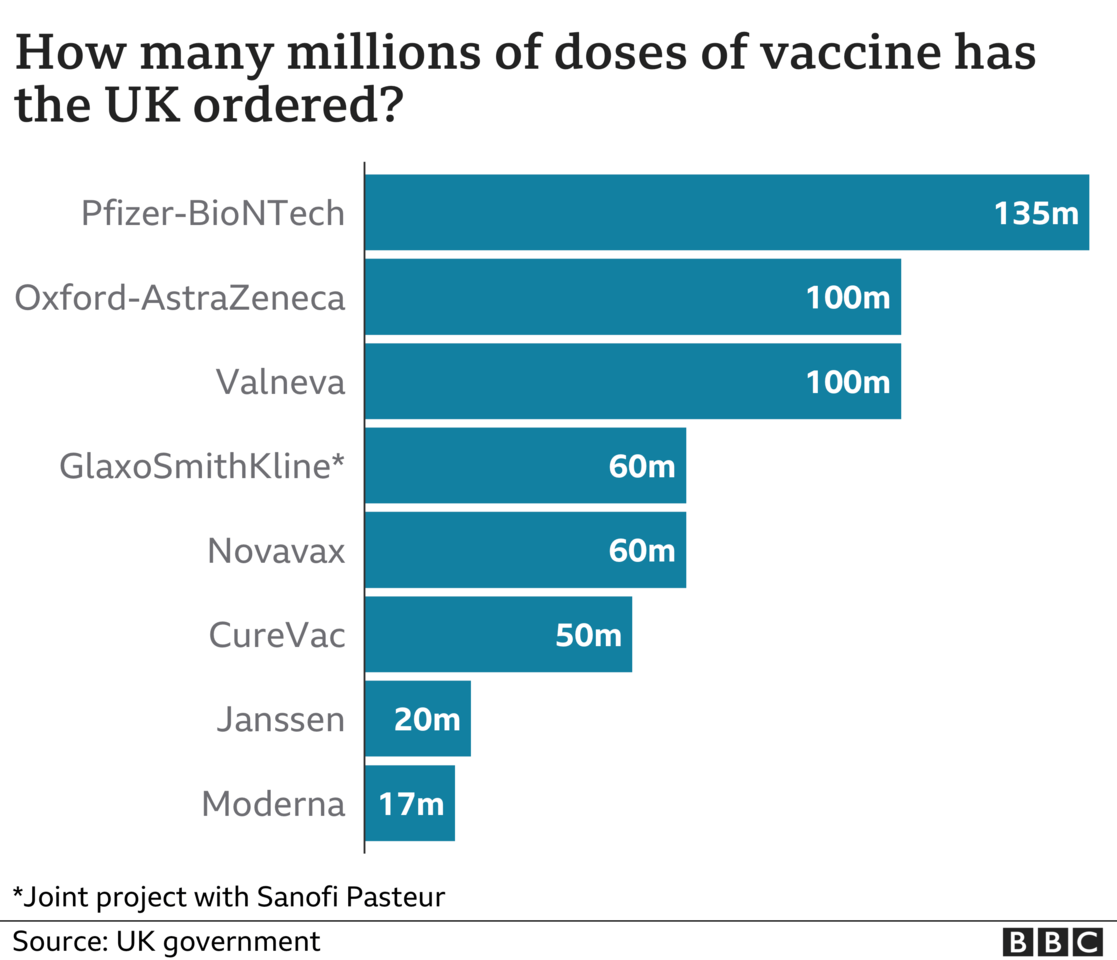
The UK has ordered more than 540 million doses of seven of the most promising vaccines, including the four so far approved for use - Pfizer, Oxford-AstraZeneca, Moderna and Janssen.

However, there are vast differences in the pace of progress in different parts of the world, and the government has pledged to donate 100 million surplus jabs to poorer countries before the middle of 2022.

Professor Dame Sarah Gilbert: "We need more doses so we're not talking about choices"


Newsletter

Related Articles

0:00
0:00
Close
Crypto Scammers Capitalize on Maritime Chaos Near the Strait of Hormuz: A Rising Threat to Shipping Companies
Changi Airport: How Singapore Engineered the World’s Most Efficient Travel Experience
Power Dynamics: Apple’s Leadership Shakeup, Geopolitical Risks in the Strait of Hormuz, and Europe's Energy Strategy Amidst Global Challenges
Apple's Leadership Transition: Can New CEO John Ternus Navigate AI Challenges and Geopolitical Pressures?
Italy’s €100K Tax Gambit: Europe’s Soft Power Tax Haven
News Roundup
Microsoft lost 2.5 millions users (French government) to Linux
Privacy Problems in Microsoft Windows OS
News roundup
Péter András Magyar and the Strategic Reset of Hungary
Hungary After the Landslide — A Strategic Reset in Europe
Meghan Markle Plans Exclusive Women-Focused Retreat During Australia Visit
Starmer and Trump Hold Strategic Talks on Securing Strait of Hormuz Amid Rising Tensions
Unofficial Australia Visit by Prince Harry and Meghan Expected to Stir Tensions with Royal Circles
Pipeline Attack Cuts Significant Share of Saudi Arabia’s Oil Export Capacity
UK Stocks Rise on Ceasefire Momentum and Renewed Focus on Diplomacy
UK to Hold Further Strategic Talks on Strait of Hormuz Security
Starmer Voices Frustration as Global Tensions Drive Up UK Energy Costs
UK Students Voice Concern Over Proposal for Automatic Military Draft Registration
Rising Volatility Drives Uncertainty in UK Fuel and Petrol Prices
UK Moves to Deploy ‘Skyhammer’ Anti-Drone System to Strengthen Airspace Defense
New Analysis Explores UK Budget Mechanics in ‘Behind the Blue’ Feature
Man Arrested After Four Die in Channel Crossing Tragedy
UK Tightens Immigration Framework with New Sponsor Rules and Fee Increases
UK Foreign Secretary Highlights Impact of Intensified Strikes in Lebanon
UK Urges Inclusion of Lebanon in US-Iran Ceasefire Framework
UK Stocks Ease as Ceasefire Doubts in Middle East Weigh on Investor Confidence
UK Reassesses Cloud Strategy Amid Criticism Over Limited Support Measures
UK Calls for Full and Toll-Free Access Through Strait of Hormuz Amid Rising Tensions
Starmer Signals Strategic Shift for Britain Amid Escalating Iran-Linked Tensions
UK Issues Firm Warning to Russia Over Covert Underwater Military Activity
OpenAI Halts Stargate UK Project, Casting Uncertainty Over Britain’s AI Expansion Plans
Starmer Voices Frustration Over Global Pressures Driving UK Energy Costs Higher
UK Deploys Military Assets to Protect Undersea Cables From Suspected Russian Threat
Canada Aligns With US, UK and Australia as Europe Prepares Major Digital Border Overhaul
Meghan Markle’s Planned Australia Appearance Sparks Fresh Speculation
Starmer Warns Sustained Effort Needed to Ensure US–Iran Ceasefire Holds
UK to Partner with Shipping Industry to Rebuild Confidence in Strait of Hormuz, Cooper Says
UK Interest Rate Expectations Ease Following US–Iran Ceasefire Agreement
Starmer Signals Major Effort Needed to Fully Reopen Strait of Hormuz During Gulf Visit
UK Fuel Prices Face Ongoing Volatility Amid Global Pressures and Domestic Factors
Kanye West’s Planned Italy Festival Appearance Draws Debate After UK Entry Ban
Smuggling Routes Shift Toward Belgium as Migrant Crossings to UK Evolve
Ceasefire Offers Potential Relief for UK Fuel and Food Prices Amid Ongoing Uncertainty
Iran Conflict Raises Questions Over UK’s Global Influence and Military Preparedness
Senator McConnell Visits Kentucky to Highlight Federal Investment in Local Projects
Kanye West Barred from Entering UK as Legal Grounds Come into Focus
UK Denies Visa to Kanye West After Sponsors Withdraw from Wireless Festival
Trump-Era Forest Service Restructuring Leads to Closure of UK Lab Focused on Kentucky Woodland Health
Foreign Students in the UK Describe Harsh Living Conditions and Financial Pressures
×