

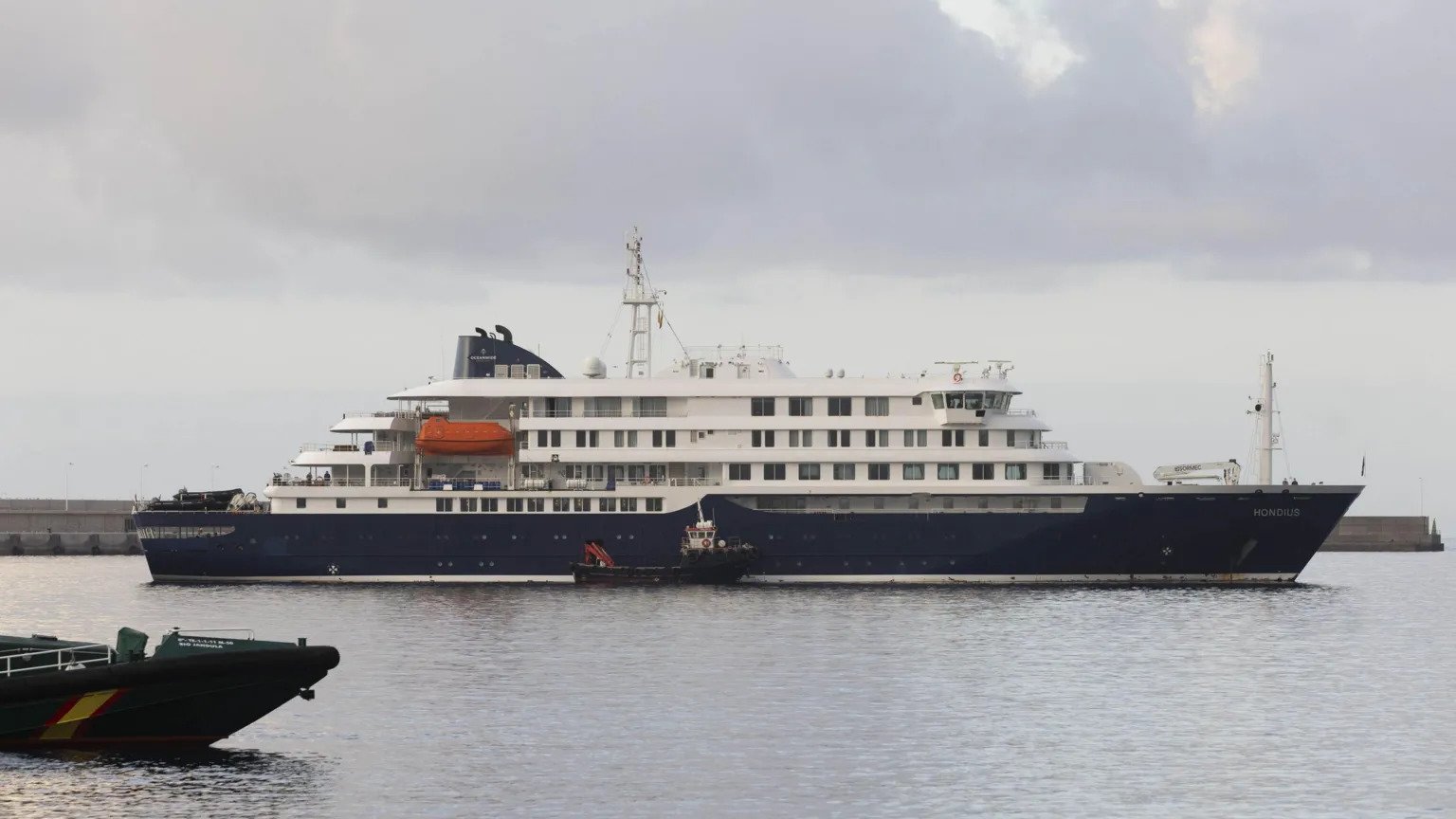
UK Handles Arrival of Cruise Passengers Exposed to Viral Outbreak After Emergency Flight Transfer
A coordinated medical evacuation brought passengers from an outbreak-affected cruise ship to the United Kingdom, raising renewed scrutiny of onboard infection control and emergency repatriation procedures.
The situation is fundamentally driven by an event-based public health disruption: a viral outbreak aboard a cruise ship requiring international medical evacuation and coordinated government response.
A plane carrying passengers who were exposed to a virus aboard a cruise ship has landed in the United Kingdom following an emergency transfer operation involving health authorities, aviation services and maritime operators.
The passengers had been traveling on a cruise vessel that reported a significant outbreak of illness among people on board.
In response, affected individuals were isolated and assessed before being cleared for controlled transport back to the UK for further medical monitoring and treatment.
What is confirmed is that the passengers were flown into the country under managed health protocols designed to reduce the risk of onward transmission during travel and upon arrival.
The cruise ship itself had been operating in international waters when the outbreak emerged.
Cruise vessels are particularly vulnerable to rapid transmission of infectious diseases due to dense living conditions, shared dining facilities and prolonged close contact between passengers and crew.
Once symptoms were identified on board, standard maritime health procedures were activated.
These typically include isolation of symptomatic individuals, onboard testing where available, communication with port health authorities, and coordination with national governments for potential evacuation or disembarkation.
The United Kingdom’s health authorities and border health teams were involved in receiving the passengers.
Medical screening was conducted on arrival, and individuals were transferred for further assessment or isolation depending on clinical presentation and risk evaluation.
The nature of the virus involved has not been officially confirmed in public detail at the time of arrival, but cruise-related outbreaks in recent years have often involved highly contagious gastrointestinal or respiratory infections such as norovirus or influenza-like illnesses.
Each outbreak is assessed independently based on laboratory testing and symptom profiles.
The response reflects lessons learned from previous large-scale outbreaks on cruise ships, where delays in containment contributed to rapid onboard spread.
Modern protocols prioritize early detection, isolation, and coordinated evacuation of high-risk passengers when necessary.
Cruise operators operate under strict international maritime health regulations, including requirements to report outbreaks and cooperate with port health authorities.
These frameworks are designed to prevent ships from becoming amplification points for infectious disease spread between countries.
Public health agencies emphasize that the risk to the general population remains limited when arrivals are managed under controlled medical transport conditions.
Passengers are typically screened before boarding evacuation flights, monitored during transit, and assessed immediately upon landing.
The incident also highlights ongoing vulnerabilities in global cruise tourism.
Despite improved sanitation standards and outbreak response planning, ships remain uniquely sensitive environments for viral transmission due to enclosed spaces and high passenger density.
The economic importance of the cruise industry adds further complexity.
Operators must balance passenger safety, itinerary continuity, and reputational risk while adhering to international health obligations that may require mid-voyage disruption or evacuation.
For the UK, the landing reflects its role in receiving and managing returning citizens under health contingency planning frameworks that were significantly strengthened after the COVID-19 pandemic.
These systems integrate aviation authorities, border health units and national healthcare services.
What is confirmed is that passengers exposed to a cruise ship viral outbreak were transported to the United Kingdom under supervised medical protocols and are now undergoing further assessment and care.
The practical consequence is that authorities have reinforced the use of controlled repatriation pathways for illness-exposed travelers, ensuring rapid containment measures while maintaining continuity of care and limiting any potential public health risk.
A plane carrying passengers who were exposed to a virus aboard a cruise ship has landed in the United Kingdom following an emergency transfer operation involving health authorities, aviation services and maritime operators.
The passengers had been traveling on a cruise vessel that reported a significant outbreak of illness among people on board.
In response, affected individuals were isolated and assessed before being cleared for controlled transport back to the UK for further medical monitoring and treatment.
What is confirmed is that the passengers were flown into the country under managed health protocols designed to reduce the risk of onward transmission during travel and upon arrival.
The cruise ship itself had been operating in international waters when the outbreak emerged.
Cruise vessels are particularly vulnerable to rapid transmission of infectious diseases due to dense living conditions, shared dining facilities and prolonged close contact between passengers and crew.
Once symptoms were identified on board, standard maritime health procedures were activated.
These typically include isolation of symptomatic individuals, onboard testing where available, communication with port health authorities, and coordination with national governments for potential evacuation or disembarkation.
The United Kingdom’s health authorities and border health teams were involved in receiving the passengers.
Medical screening was conducted on arrival, and individuals were transferred for further assessment or isolation depending on clinical presentation and risk evaluation.
The nature of the virus involved has not been officially confirmed in public detail at the time of arrival, but cruise-related outbreaks in recent years have often involved highly contagious gastrointestinal or respiratory infections such as norovirus or influenza-like illnesses.
Each outbreak is assessed independently based on laboratory testing and symptom profiles.
The response reflects lessons learned from previous large-scale outbreaks on cruise ships, where delays in containment contributed to rapid onboard spread.
Modern protocols prioritize early detection, isolation, and coordinated evacuation of high-risk passengers when necessary.
Cruise operators operate under strict international maritime health regulations, including requirements to report outbreaks and cooperate with port health authorities.
These frameworks are designed to prevent ships from becoming amplification points for infectious disease spread between countries.
Public health agencies emphasize that the risk to the general population remains limited when arrivals are managed under controlled medical transport conditions.
Passengers are typically screened before boarding evacuation flights, monitored during transit, and assessed immediately upon landing.
The incident also highlights ongoing vulnerabilities in global cruise tourism.
Despite improved sanitation standards and outbreak response planning, ships remain uniquely sensitive environments for viral transmission due to enclosed spaces and high passenger density.
The economic importance of the cruise industry adds further complexity.
Operators must balance passenger safety, itinerary continuity, and reputational risk while adhering to international health obligations that may require mid-voyage disruption or evacuation.
For the UK, the landing reflects its role in receiving and managing returning citizens under health contingency planning frameworks that were significantly strengthened after the COVID-19 pandemic.
These systems integrate aviation authorities, border health units and national healthcare services.
What is confirmed is that passengers exposed to a cruise ship viral outbreak were transported to the United Kingdom under supervised medical protocols and are now undergoing further assessment and care.
The practical consequence is that authorities have reinforced the use of controlled repatriation pathways for illness-exposed travelers, ensuring rapid containment measures while maintaining continuity of care and limiting any potential public health risk.