UK Backlash Over Resurfaced Tweets by British-Egyptian Activist Alaa Abdel Fattah
Historic posts calling for violence trigger political criticism and renewed debate over citizenship standards
A political controversy has emerged in the United Kingdom after resurfaced social media posts by British-Egyptian activist Alaa Abdel Fattah prompted sharp criticism and renewed scrutiny of citizenship standards and public values.
The posts, shared years ago on social media, include statements calling for violence against Zionists and other inflammatory language.
The remarks have been widely condemned by commentators and politicians, who argue that such rhetoric stands in stark contrast to the standards expected of those holding British citizenship.
The debate intensified after public comparisons were drawn between Abdel Fattah’s case and that of Lucy Connolly, who was sentenced to eighteen months in prison for comments made online.
Critics argue that the apparent disparity highlights inconsistency in how speech-related offences and extremist rhetoric are treated under UK law.
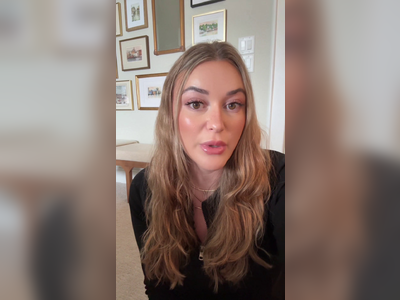
Charlie Rowley, discussing the issue publicly, questioned how an individual with a documented history of what he described as vile and anti-British statements could retain British citizenship, while others faced imprisonment for far less severe remarks.
His comments have echoed a broader public concern over perceived double standards in enforcement and accountability.
Supporters of Abdel Fattah emphasise his long record as a political activist and former political prisoner, arguing that the resurfaced posts reflect an earlier period marked by regional conflict and personal radicalisation.
Critics, however, maintain that calls for violence cannot be dismissed as historical context and require serious examination.
The controversy has reignited a wider national discussion on free speech, public safety, and the criteria by which citizenship is granted or retained.
As political pressure grows, the case has become a focal point for debates over fairness, national values, and the balance between compassion and accountability in modern Britain.
The posts, shared years ago on social media, include statements calling for violence against Zionists and other inflammatory language.
The remarks have been widely condemned by commentators and politicians, who argue that such rhetoric stands in stark contrast to the standards expected of those holding British citizenship.
The debate intensified after public comparisons were drawn between Abdel Fattah’s case and that of Lucy Connolly, who was sentenced to eighteen months in prison for comments made online.
Critics argue that the apparent disparity highlights inconsistency in how speech-related offences and extremist rhetoric are treated under UK law.
Charlie Rowley, discussing the issue publicly, questioned how an individual with a documented history of what he described as vile and anti-British statements could retain British citizenship, while others faced imprisonment for far less severe remarks.
His comments have echoed a broader public concern over perceived double standards in enforcement and accountability.
Supporters of Abdel Fattah emphasise his long record as a political activist and former political prisoner, arguing that the resurfaced posts reflect an earlier period marked by regional conflict and personal radicalisation.
Critics, however, maintain that calls for violence cannot be dismissed as historical context and require serious examination.
The controversy has reignited a wider national discussion on free speech, public safety, and the criteria by which citizenship is granted or retained.
As political pressure grows, the case has become a focal point for debates over fairness, national values, and the balance between compassion and accountability in modern Britain.