Trump Softens Stance on UK’s Chagos Islands Agreement After Talks With Starmer
US president, who once lambasted the pact, acknowledges the deal and reaffirms strategic priority of Diego Garcia amid continued geopolitical scrutiny
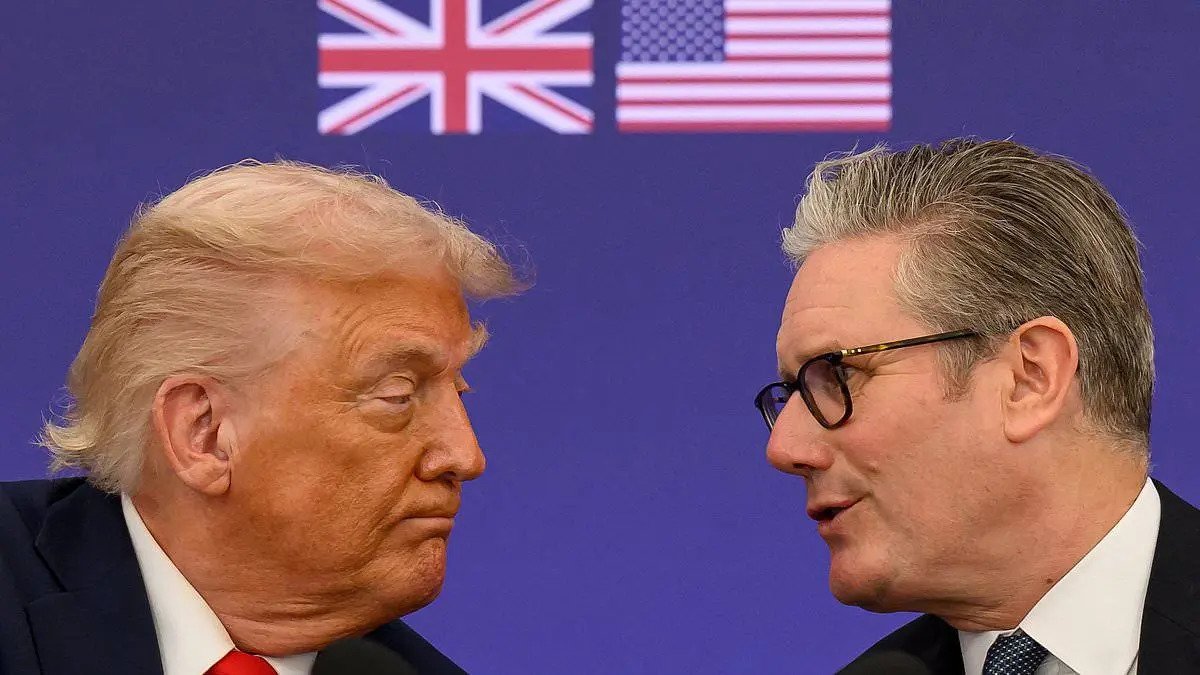
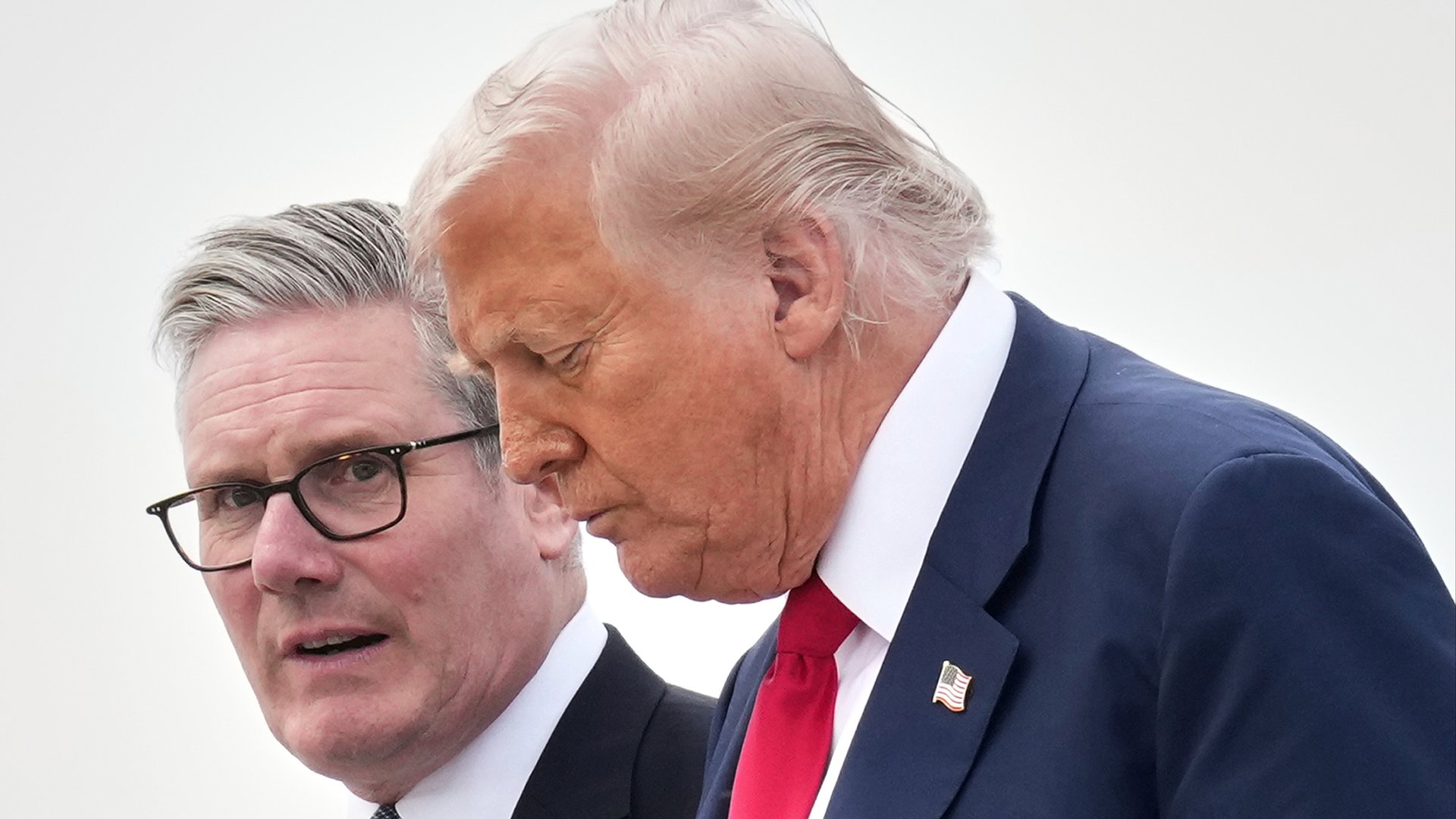
United States President Donald Trump has significantly toned down his earlier criticism of the United Kingdom’s Chagos Islands agreement, following a direct conversation with British Prime Minister Sir Keir Starmer.
The shift comes as London seeks to implement a long-planned transfer of sovereignty over the British Indian Ocean Territory to Mauritius while securing a long-term lease for the strategically vital Diego Garcia military base – a facility of importance to both UK and US defence interests.
In recent weeks, Trump had publicly disparaged the deal as “an act of great stupidity” and “total weakness,” questioning the wisdom of ceding sovereign territory that includes the joint military installation and suggesting the arrangement might even justify unrelated foreign policy aims.
However, after what both leaders described as “very productive discussions,” Trump signalled that he recognised the agreement as the best Starmer could achieve under the circumstances, stressing the enduring importance of Diego Garcia to United States national security and strategic operations in the Indo-Pacific region.
Trump’s updated comments emphasised that the United States retains the right to “militarily secure and reinforce” its presence on Diego Garcia if the lease were ever jeopardised, underlining Washington’s commitment to safeguarding its operational footprint.
The messaging reflects broader US priorities in sustaining strategic deterrence in the region while also signalling ongoing support for allied cooperation.
The evolution in Trump’s rhetoric, moving from sharp public disapproval toward a more measured acceptance, appeared designed to balance concerns over strategic interests with allied solidarity.
Downing Street confirmed that Starmer and Trump agreed on the continued value of the Diego Garcia base and that dialogue would continue to ensure shared defence objectives are upheld.
Domestically, the deal has met with persistent opposition from some British politicians who argue that sovereignty should not be ceded or that security arrangements could be weakened by the shift in territorial control.
Meanwhile, critics have also warned of perceived vulnerabilities related to broader geopolitical competition, particularly given Mauritius’s economic ties with other powers.
Nonetheless, the recent exchange between the UK and US leadership appears to have anchored a more aligned public position between Washington and London on the arrangement’s strategic groundwork.
The shift comes as London seeks to implement a long-planned transfer of sovereignty over the British Indian Ocean Territory to Mauritius while securing a long-term lease for the strategically vital Diego Garcia military base – a facility of importance to both UK and US defence interests.
In recent weeks, Trump had publicly disparaged the deal as “an act of great stupidity” and “total weakness,” questioning the wisdom of ceding sovereign territory that includes the joint military installation and suggesting the arrangement might even justify unrelated foreign policy aims.
However, after what both leaders described as “very productive discussions,” Trump signalled that he recognised the agreement as the best Starmer could achieve under the circumstances, stressing the enduring importance of Diego Garcia to United States national security and strategic operations in the Indo-Pacific region.
Trump’s updated comments emphasised that the United States retains the right to “militarily secure and reinforce” its presence on Diego Garcia if the lease were ever jeopardised, underlining Washington’s commitment to safeguarding its operational footprint.
The messaging reflects broader US priorities in sustaining strategic deterrence in the region while also signalling ongoing support for allied cooperation.
The evolution in Trump’s rhetoric, moving from sharp public disapproval toward a more measured acceptance, appeared designed to balance concerns over strategic interests with allied solidarity.
Downing Street confirmed that Starmer and Trump agreed on the continued value of the Diego Garcia base and that dialogue would continue to ensure shared defence objectives are upheld.
Domestically, the deal has met with persistent opposition from some British politicians who argue that sovereignty should not be ceded or that security arrangements could be weakened by the shift in territorial control.
Meanwhile, critics have also warned of perceived vulnerabilities related to broader geopolitical competition, particularly given Mauritius’s economic ties with other powers.
Nonetheless, the recent exchange between the UK and US leadership appears to have anchored a more aligned public position between Washington and London on the arrangement’s strategic groundwork.