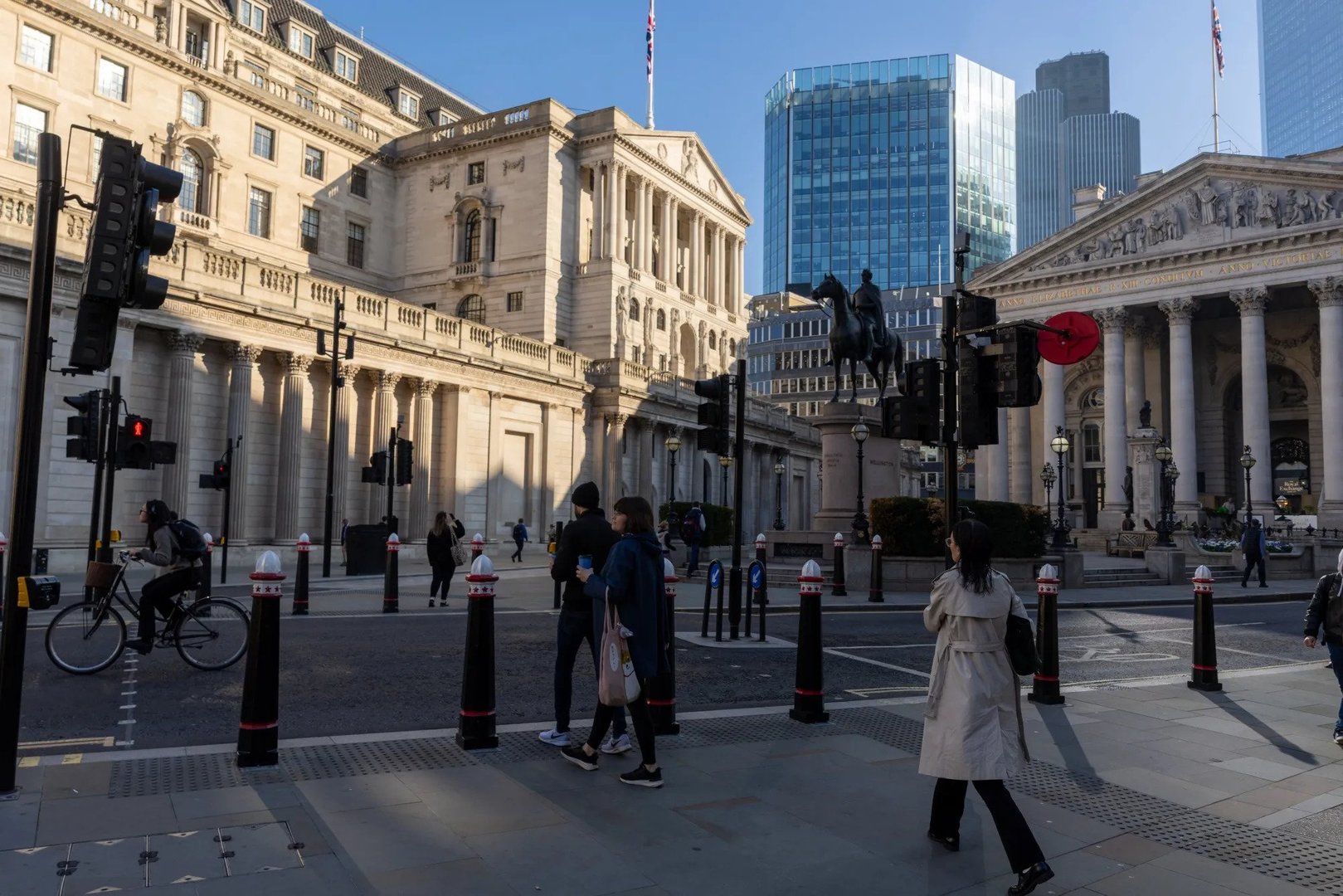
Bank of England Holds UK Interest Rates at 3.75% in Close Decision
Monetary Policy Committee keeps base rate unchanged amid sticky inflation and weaker growth, while signalling possible future cuts
The Bank of England’s Monetary Policy Committee voted to maintain the United Kingdom’s base interest rate at three point seven five per cent on Thursday, opting to hold borrowing costs steady amid a delicate balance between persistent inflation and signs of economic weakness.
The decision, reached by a narrow five-to-four majority, reflects caution among policymakers who want further evidence that price pressures will sustainably ease before cutting rates again.
Despite inflation trending down over recent months, the consumer prices index remained above the Bank’s two per cent target, with December data showing inflation at around three point four per cent — a level that continues to shape the committee’s deliberations.
Bank governor Andrew Bailey emphasised that inflation is expected to fall back toward the two per cent goal in the coming months, but that it was premature to adjust the policy stance without more confidence in the inflation outlook.
The Bank also updated its economic forecasts alongside the decision, painting a slower growth picture for the year ahead.
Gross domestic product is now projected to expand by around zero point nine per cent in twenty-twenty-six, down from earlier projections, while unemployment is expected to rise modestly, reflecting broader softness in domestic demand.
Such factors have reinforced the committee’s cautious approach to monetary easing.
Although the rate hold keeps mortgage costs and other borrowing charges elevated for now, central bank officials signalled that future reductions remain possible within the year if inflation continues to ease as forecast.
Several members of the committee had preferred an immediate quarter-point cut, underscoring a persistent debate over the appropriate timing of monetary easing.
The decision will be closely watched by households, businesses and financial markets as the Bank navigates its policy path amid evolving economic conditions.
The decision, reached by a narrow five-to-four majority, reflects caution among policymakers who want further evidence that price pressures will sustainably ease before cutting rates again.
Despite inflation trending down over recent months, the consumer prices index remained above the Bank’s two per cent target, with December data showing inflation at around three point four per cent — a level that continues to shape the committee’s deliberations.
Bank governor Andrew Bailey emphasised that inflation is expected to fall back toward the two per cent goal in the coming months, but that it was premature to adjust the policy stance without more confidence in the inflation outlook.
The Bank also updated its economic forecasts alongside the decision, painting a slower growth picture for the year ahead.
Gross domestic product is now projected to expand by around zero point nine per cent in twenty-twenty-six, down from earlier projections, while unemployment is expected to rise modestly, reflecting broader softness in domestic demand.
Such factors have reinforced the committee’s cautious approach to monetary easing.
Although the rate hold keeps mortgage costs and other borrowing charges elevated for now, central bank officials signalled that future reductions remain possible within the year if inflation continues to ease as forecast.
Several members of the committee had preferred an immediate quarter-point cut, underscoring a persistent debate over the appropriate timing of monetary easing.
The decision will be closely watched by households, businesses and financial markets as the Bank navigates its policy path amid evolving economic conditions.