Trump’s Oil Rhetoric on Venezuela Reflects a Longstanding Obsession, Not a Proven Military Campaign
The president’s repeated fixation on foreign oil reveals a worldview rooted in transactional power, even as claims of active war or seizure remain unsubstantiated
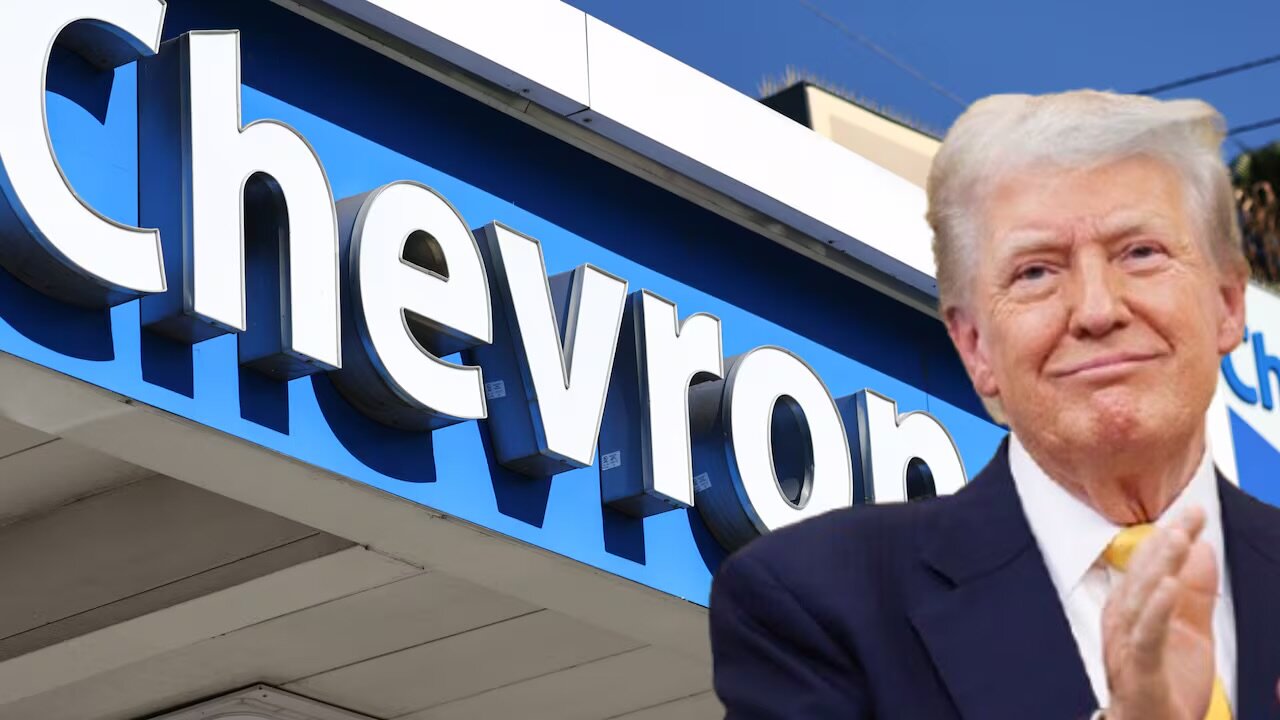
Donald Trump has spent years speaking about foreign oil as though it were a prize to be reclaimed rather than a resource governed by sovereign states.
That pattern is undeniable.
What is not established, however, is the claim that the United States has launched a broad military campaign against Venezuela or begun systematically seizing its oil assets.
Trump’s record is clear in one respect.
During his first presidential campaign and throughout his time in office, he repeatedly argued that American power should translate into direct material returns.
He said the United States should have taken Iraq’s oil after the war.
He later used similar language regarding Syria, openly suggesting that American forces should secure oil fields and that U.S. companies could be brought in to exploit them.
These were not slips of the tongue.
They reflected a consistent belief that military and economic power justify extraction.
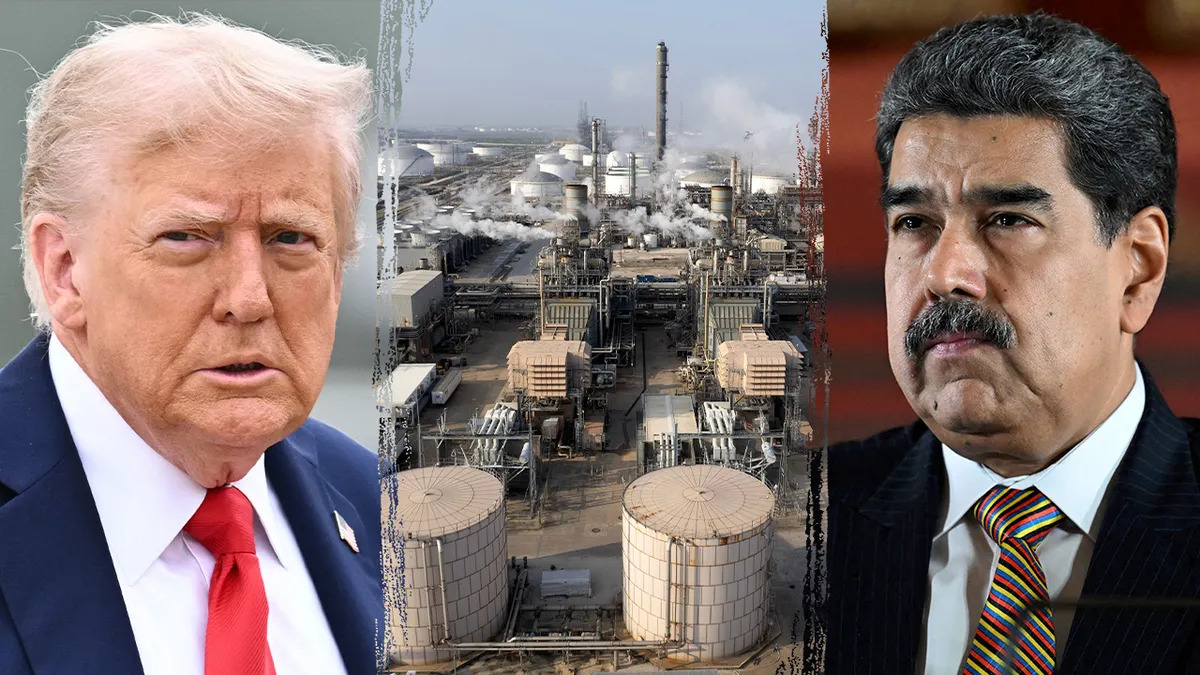
Venezuela has long occupied a special place in that worldview.
It holds some of the world’s largest proven oil reserves and has a history of nationalizing its energy sector, including assets once operated by American companies.
Trump has repeatedly framed that history as theft, asserting that Venezuela took oil that belonged to the United States.
That assertion is false.
American companies operated in Venezuela under concession agreements; they did not own Venezuelan oil or land.
Nationalization removed operators, not sovereign ownership.
What cannot be confirmed is the escalation described in claims of widespread U.S. attacks, mass civilian casualties, or an active naval blockade designed to seize Venezuelan crude.
Those assertions are not supported by verifiable facts.
Without confirmation, they cannot serve as the factual foundation of a serious critique.
The argument must therefore rest on what is demonstrable: rhetoric, intent, and historical behavior.
Seen through that lens, the danger is not an ongoing war but an idea.
Trump’s fixation on oil treats sovereignty as conditional and international law as secondary to perceived American loss.
It revives a nineteenth-century logic in which power confers ownership and grievance justifies coercion.
That logic has repeatedly failed the United States, from Iraq onward, leaving instability rather than security.
There is a legitimate legal path for American companies to pursue compensation for past expropriations.
Courts exist for that reason.
What history does not support is the notion that military pressure or economic strangulation can be justified as debt collection.
The real risk is that rhetoric hardens into doctrine, and doctrine into action, dragging American power back toward resource-driven confrontation that serves neither democracy nor long-term national interest.
That pattern is undeniable.
What is not established, however, is the claim that the United States has launched a broad military campaign against Venezuela or begun systematically seizing its oil assets.
Trump’s record is clear in one respect.
During his first presidential campaign and throughout his time in office, he repeatedly argued that American power should translate into direct material returns.
He said the United States should have taken Iraq’s oil after the war.
He later used similar language regarding Syria, openly suggesting that American forces should secure oil fields and that U.S. companies could be brought in to exploit them.
These were not slips of the tongue.
They reflected a consistent belief that military and economic power justify extraction.
Venezuela has long occupied a special place in that worldview.
It holds some of the world’s largest proven oil reserves and has a history of nationalizing its energy sector, including assets once operated by American companies.
Trump has repeatedly framed that history as theft, asserting that Venezuela took oil that belonged to the United States.
That assertion is false.
American companies operated in Venezuela under concession agreements; they did not own Venezuelan oil or land.
Nationalization removed operators, not sovereign ownership.
What cannot be confirmed is the escalation described in claims of widespread U.S. attacks, mass civilian casualties, or an active naval blockade designed to seize Venezuelan crude.
Those assertions are not supported by verifiable facts.
Without confirmation, they cannot serve as the factual foundation of a serious critique.
The argument must therefore rest on what is demonstrable: rhetoric, intent, and historical behavior.
Seen through that lens, the danger is not an ongoing war but an idea.
Trump’s fixation on oil treats sovereignty as conditional and international law as secondary to perceived American loss.
It revives a nineteenth-century logic in which power confers ownership and grievance justifies coercion.
That logic has repeatedly failed the United States, from Iraq onward, leaving instability rather than security.
There is a legitimate legal path for American companies to pursue compensation for past expropriations.
Courts exist for that reason.
What history does not support is the notion that military pressure or economic strangulation can be justified as debt collection.
The real risk is that rhetoric hardens into doctrine, and doctrine into action, dragging American power back toward resource-driven confrontation that serves neither democracy nor long-term national interest.