UK’s Starmer Warns Leadership Challenges Could Unleash Political Chaos and Empower Far-Right Forces
Prime Minister Sir Keir Starmer says efforts to remove him risk destabilising government and handing influence to Nigel Farage’s Reform movement
At a critical juncture in British politics, Prime Minister Sir Keir Starmer has issued a forceful warning that moves to oust him as leader of the United Kingdom’s government could precipitate political turmoil and create an opening for far-right forces to gain ground.
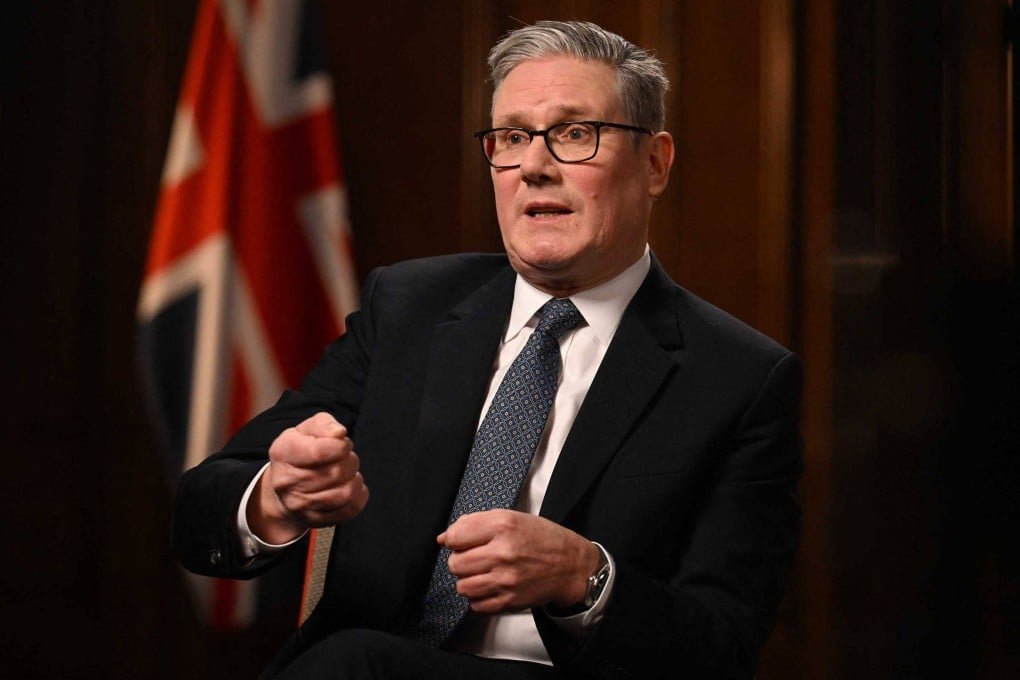
In a detailed interview with the BBC, Starmer portrayed leadership stability as essential to national governance and argued that frequent changes at the top — like those seen under the previous Conservative administrations — had led to “utter chaos” and undermined public confidence in government.
His remarks come amid internal party pressure, slumping poll ratings and rising support for the populist Reform UK party led by Nigel Farage.
Starmer, who led Labour to a landslide general election victory in 2024, said he intends to remain in office well into 2027, defending his five-year mandate and set against speculation about potential leadership challenges.
He argued that upheaval within Labour or attempts to replace him mid-term would risk replicating the instability that contributed to the Conservative Party’s collapse and could “gift” power to Reform UK — a development he suggested would run counter to the national interest and democratic stability.
The prime minister’s stance reflects broader concerns within his party over declining support in opinion polls and intensifying rivalry from both the right and within Labour’s ranks.
Though he reaffirmed his commitment to national priorities, including economic reform and closer sector-by-sector alignment with the European Union’s single market, Starmer acknowledged ongoing critiques of his leadership style and policy direction.
He dismissed speculation about stepping down even if local election results prove challenging, emphasising the imperative of consistent leadership in uncertain times.
Starmer’s appeal to stability also serves as a warning to his detractors within the Labour Party and beyond.
By framing leadership challenges as a route to political fragmentation, he is seeking to position his government as a bulwark against emerging polarisation in British politics.
The prime minister’s comments underscore the high stakes ahead of key local elections and looming electoral contests as parties across the United Kingdom prepare for a period of intense political competition.
In a detailed interview with the BBC, Starmer portrayed leadership stability as essential to national governance and argued that frequent changes at the top — like those seen under the previous Conservative administrations — had led to “utter chaos” and undermined public confidence in government.
His remarks come amid internal party pressure, slumping poll ratings and rising support for the populist Reform UK party led by Nigel Farage.
Starmer, who led Labour to a landslide general election victory in 2024, said he intends to remain in office well into 2027, defending his five-year mandate and set against speculation about potential leadership challenges.
He argued that upheaval within Labour or attempts to replace him mid-term would risk replicating the instability that contributed to the Conservative Party’s collapse and could “gift” power to Reform UK — a development he suggested would run counter to the national interest and democratic stability.
The prime minister’s stance reflects broader concerns within his party over declining support in opinion polls and intensifying rivalry from both the right and within Labour’s ranks.
Though he reaffirmed his commitment to national priorities, including economic reform and closer sector-by-sector alignment with the European Union’s single market, Starmer acknowledged ongoing critiques of his leadership style and policy direction.
He dismissed speculation about stepping down even if local election results prove challenging, emphasising the imperative of consistent leadership in uncertain times.
Starmer’s appeal to stability also serves as a warning to his detractors within the Labour Party and beyond.
By framing leadership challenges as a route to political fragmentation, he is seeking to position his government as a bulwark against emerging polarisation in British politics.
The prime minister’s comments underscore the high stakes ahead of key local elections and looming electoral contests as parties across the United Kingdom prepare for a period of intense political competition.