As Debate Over Civil War Surfaces, UK Grapples With Deepening Social Fault Lines
Public figures and commentators increasingly discuss the possibility of internal conflict amid widening polarisation and unrest
Talk of civil war in the United Kingdom, once confined to fringe corners of the internet and conspiracy forums, has progressively made its way into mainstream public discourse, reflecting growing public anxiety about social and political divisions.
Once ‘whispered’ as an extremist trope, the notion of a future internal conflict has appeared in media commentary, academic debate and even pronouncements by political figures, illustrating an erosion of taboos around the subject and heightened concern about national cohesion.
King’s College London professor David Betz, a specialist in modern conflict, has been cited in interviews and public commentary warning of scenarios in which the UK could see fragmented strife along cultural and geographic lines, although such forecasts remain highly speculative and debated.
Supporters of these visions describe potential clashes not as conventional warfare but as asymmetrical unrest driven by deep social fractures, including divisions over identity, immigration and trust in institutions.
A YouGov poll recently suggested that a significant share of Britons now believe civil conflict could be conceivable within the next decade, a shift that analysts say feeds into the broader cultural moment.
Critics of this emerging discourse caution that discussing civil war scenarios in earnest can inadvertently amplify polarised narratives without grounded evidence of imminent large-scale conflict.
Academics and commentators note that Britain’s democratic institutions, robust legal structures and long history of resilient civil society act as buffers against sustained internal collapse.
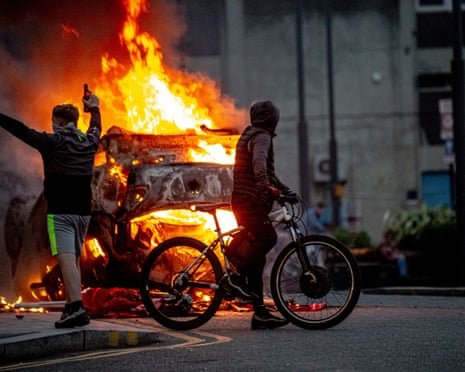
They argue that while episodes of violent protest and disorder have occurred, they remain episodic and not reflective of an overarching slide toward national rupture.
Meanwhile, social media platforms and online communities continue to influence perceptions of instability.
Misinformation surrounding events such as high-profile crimes and migrant-related protests has at times fueled tensions and violent outbreaks, underscoring the role of digital networks in shaping public narrative.
Analysts emphasise the importance of distinguishing between sensational rhetoric and sober assessments of social stress, noting that fear-driven language can hasten political polarisation rather than foster constructive debate.
As the UK moves deeper into 2026, the prominence of civil war discussions in opinion pages, podcasts and public debate reflects broader anxieties over cultural identity, economic pressures and institutional trust.
Policymakers, scholars and civic leaders are now challenged to address the underlying causes of polarisation and invest in strengthening community bonds and public dialogue to counteract the allure of apocalyptic narratives.
The debate underscores the tension between open discussion of societal risks and the potential for rhetoric to become self-fulfilling when not grounded in empirical context and balanced assessment.
Once ‘whispered’ as an extremist trope, the notion of a future internal conflict has appeared in media commentary, academic debate and even pronouncements by political figures, illustrating an erosion of taboos around the subject and heightened concern about national cohesion.
King’s College London professor David Betz, a specialist in modern conflict, has been cited in interviews and public commentary warning of scenarios in which the UK could see fragmented strife along cultural and geographic lines, although such forecasts remain highly speculative and debated.
Supporters of these visions describe potential clashes not as conventional warfare but as asymmetrical unrest driven by deep social fractures, including divisions over identity, immigration and trust in institutions.
A YouGov poll recently suggested that a significant share of Britons now believe civil conflict could be conceivable within the next decade, a shift that analysts say feeds into the broader cultural moment.
Critics of this emerging discourse caution that discussing civil war scenarios in earnest can inadvertently amplify polarised narratives without grounded evidence of imminent large-scale conflict.
Academics and commentators note that Britain’s democratic institutions, robust legal structures and long history of resilient civil society act as buffers against sustained internal collapse.
They argue that while episodes of violent protest and disorder have occurred, they remain episodic and not reflective of an overarching slide toward national rupture.
Meanwhile, social media platforms and online communities continue to influence perceptions of instability.
Misinformation surrounding events such as high-profile crimes and migrant-related protests has at times fueled tensions and violent outbreaks, underscoring the role of digital networks in shaping public narrative.
Analysts emphasise the importance of distinguishing between sensational rhetoric and sober assessments of social stress, noting that fear-driven language can hasten political polarisation rather than foster constructive debate.
As the UK moves deeper into 2026, the prominence of civil war discussions in opinion pages, podcasts and public debate reflects broader anxieties over cultural identity, economic pressures and institutional trust.
Policymakers, scholars and civic leaders are now challenged to address the underlying causes of polarisation and invest in strengthening community bonds and public dialogue to counteract the allure of apocalyptic narratives.
The debate underscores the tension between open discussion of societal risks and the potential for rhetoric to become self-fulfilling when not grounded in empirical context and balanced assessment.