UK Government Declines to Confirm Whether US Action in Venezuela Breached International Law
Britain refrains from condemning Washington’s military operation against Nicolás Maduro while urging clarity and adherence to legal norms
The British government has declined to categorically state whether the United States’ military operation that resulted in the capture of Venezuelan President Nicolás Maduro and his wife violated international law, emphasising the need to assess evolving facts and maintain diplomatic engagement.
In public comments, Prime Minister Sir Keir Starmer and senior officials stressed that Britain was not involved in the strikes and that it is essential to understand the legal foundations of the U.S. action before making determinations on legality.
Mr Starmer, speaking to broadcasters, said that London seeks a full factual picture from Washington and its allies, stressing that the United Kingdom supports the rule of law and peaceful resolution of international disputes.
He reaffirmed the British government’s focus on the safety of roughly five hundred British nationals in Venezuela and noted that the Foreign Office advises against travel to the country due to the rapidly changing security environment.
Starmer highlighted that diplomatic dialogue with the United States remains a priority as the situation unfolds.
The prime minister’s office confirmed that Britain had no operational involvement in the U.S. action against Venezuela.
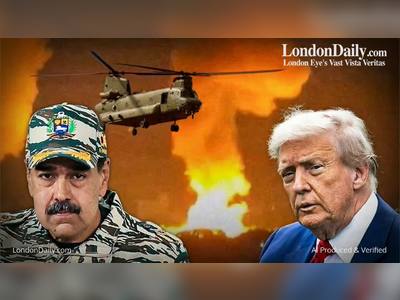
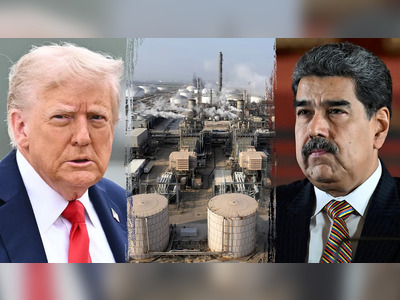
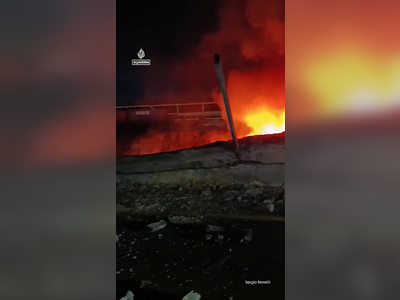
The United States launched a large-scale military operation in early January that included aerial strikes on Caracas and the capture of Maduro, who was transported to New York to face charges related to alleged drug trafficking and terrorism.
The move has elicited wide global reaction.
Several European Union nations have urged respect for the U.N. Charter and international law in restoring democratic governance in Venezuela, while Russia, China and other countries have strongly condemned the U.S. intervention as a violation of sovereignty.
Within the United Kingdom, political responses have been mixed.
Opposition figures from the Liberal Democrats and Green Party urged a firmer stance against what they characterize as an unlawful use of force, while the leader of the Reform UK party argued the operation, though arguably breaching international law, could deter strategic rivals.
The Conservative Party broadly welcomed the end of Maduro’s rule but called for clarity on legal grounds and long-term implications.
Mr Starmer’s cautious posture underscores a broader diplomatic effort to balance support for democratic transitions with respect for international legal frameworks.
International legal experts have noted that while the United States charges Maduro with criminal offenses, international law generally prohibits the use of force against another sovereign state without Security Council authorisation or clear self-defence justification.
The U.S. administration has defended its actions as part of a law-enforcement mission rooted in longstanding indictments, though critics contend that military force in this context raises significant legal questions.
As diplomatic consultations continue, London’s guarded wording reflects both a commitment to multilateral norms and a desire to manage strategic relations with Washington amid one of the most significant Western military interventions in the region in decades.
In public comments, Prime Minister Sir Keir Starmer and senior officials stressed that Britain was not involved in the strikes and that it is essential to understand the legal foundations of the U.S. action before making determinations on legality.
Mr Starmer, speaking to broadcasters, said that London seeks a full factual picture from Washington and its allies, stressing that the United Kingdom supports the rule of law and peaceful resolution of international disputes.
He reaffirmed the British government’s focus on the safety of roughly five hundred British nationals in Venezuela and noted that the Foreign Office advises against travel to the country due to the rapidly changing security environment.
Starmer highlighted that diplomatic dialogue with the United States remains a priority as the situation unfolds.
The prime minister’s office confirmed that Britain had no operational involvement in the U.S. action against Venezuela.
The United States launched a large-scale military operation in early January that included aerial strikes on Caracas and the capture of Maduro, who was transported to New York to face charges related to alleged drug trafficking and terrorism.
The move has elicited wide global reaction.
Several European Union nations have urged respect for the U.N. Charter and international law in restoring democratic governance in Venezuela, while Russia, China and other countries have strongly condemned the U.S. intervention as a violation of sovereignty.
Within the United Kingdom, political responses have been mixed.
Opposition figures from the Liberal Democrats and Green Party urged a firmer stance against what they characterize as an unlawful use of force, while the leader of the Reform UK party argued the operation, though arguably breaching international law, could deter strategic rivals.
The Conservative Party broadly welcomed the end of Maduro’s rule but called for clarity on legal grounds and long-term implications.
Mr Starmer’s cautious posture underscores a broader diplomatic effort to balance support for democratic transitions with respect for international legal frameworks.
International legal experts have noted that while the United States charges Maduro with criminal offenses, international law generally prohibits the use of force against another sovereign state without Security Council authorisation or clear self-defence justification.
The U.S. administration has defended its actions as part of a law-enforcement mission rooted in longstanding indictments, though critics contend that military force in this context raises significant legal questions.
As diplomatic consultations continue, London’s guarded wording reflects both a commitment to multilateral norms and a desire to manage strategic relations with Washington amid one of the most significant Western military interventions in the region in decades.