London Daily

Focus on the big picture.
Saturday, Apr 25, 2026

Tracking Putin’s diamonds: G7 push to ban Russian gems gathers pace

Tracking Putin’s diamonds: G7 push to ban Russian gems gathers pace

Officials hail new technical breakthrough in effort to trace Russian diamonds.

G7 countries are pushing ahead with plans to agree to ban sales of Russian diamonds when the group's leaders meet for a summit next month, amid growing hopes that new technology will enable authorities to track the gems around the world.

The European Union has so far stopped short of sanctioning diamonds from Russia, which are playing a part in financing Vladimir Putin's war in Ukraine, amid concerns that an embargo would hit the Belgian city of Antwerp, a major international diamond trading hub.

Instead, G7 governments are preparing an international ban on selling the products. Preparations are well on track to announce more details at the summit in Japan starting on May 19, a European government official involved in the negotiations said.

One of the main goals of this coordinated G7 push is to stop sanctions being circumvented, for example by importing Russian diamonds which have first been processed and relabelled elsewhere in the world. The Swiss company Spacecode now claims to have a solution to that problem: a new device that can identify which region of the world individual diamonds come from.

Spacecode is already well known for its tracking work in the global diamond industry. In parallel, the company has been working on a next step to determine the "diamond DNA," as knowing the exact origin of diamonds is key for the industry, said Pavlo Protopapa, who is chairman and CEO of Spacecode.

According to him, Spacecode now has the technology to trace the provenance of diamonds by understanding the morphology — the chemical composition and the optical properties of a diamond – because stones from certain regions have similar characteristics.

By understanding those unique characteristics, Spacecode's device would immediately determine the origin of a stone — even if it was not registered earlier in the supply chain. "Diamonds are mixed all the time," Protopapa said. "The only way you can check that is by using Spacecode technology."

The official mentioned above said the technology is "revolutionary" and could be of key importance in the practical roll-out of the upcoming G7 decision.

Spacecode itself has no political allegiance, Protopapa stressed. "We just state what the origin of a diamond is. Whether it's accepted by another country or not, is not up to us to decide."


Obstacles ahead


That's not to say it's a done deal. One question is when the technology will be ready to roll out in time, as Ukraine's supporters want to impose the Russian diamond ban as soon as possible.

Spacecode's devices will not be sold for the first time until the end of this year or even the first quarter of 2024. If that's successful, the company aims to sell its products on the mass market by the end of 2024.

For Protopapa, that shouldn't necessarily be a problem, as the industry will need time to absorb such a change. He also hinted the process might be accelerated if necessary. "I want the green light. I want the phone call: 'listen, you’re the closest to anyone having the tech, go for it.' And then we'll put our head down," he said.
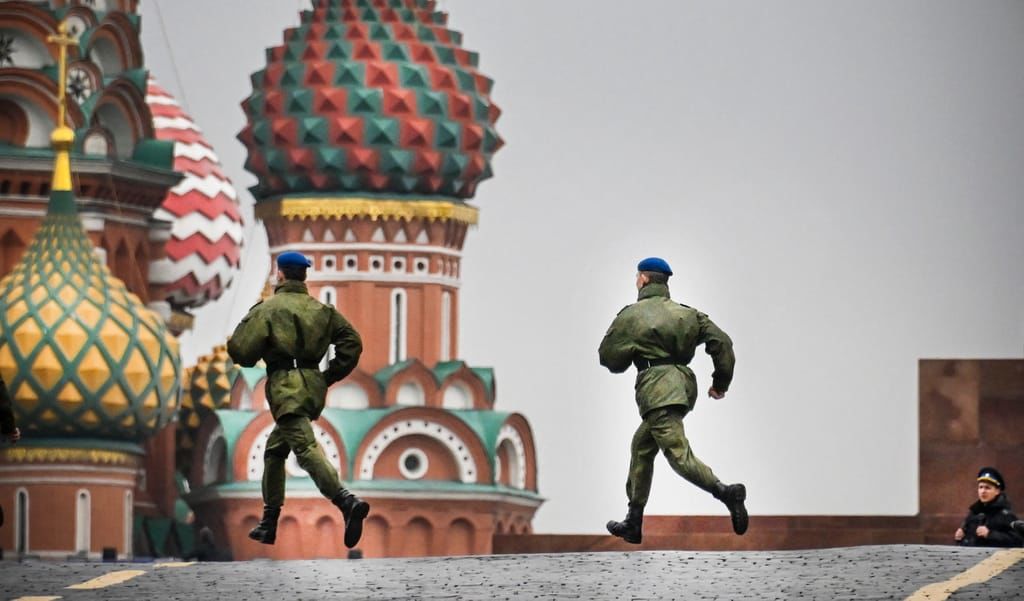
Russian soldiers run along Red Square in central Moscow


The European official mentioned earlier also said the timing doesn't have to be a problem, as other sanctions on Russian products also worked with transition periods to give industries space to adjust. "It is so revolutionary that you risk a lot of resistance from the sector," the official said.

Tom Neys, a spokesperson for the Antwerp World Diamond Centre, warned the sector will not accept "rubber-stamping solutions."

"If you want a real working solution to keep Russian diamonds off the market you need a watertight and verifiable solution that can determine the origin of a stone. We go for nothing less," Neys said.

Newsletter

Related Articles

0:00
0:00
Close
Inside the Gates Foundation Turmoil: Layoffs, Scrutiny, and the Cost of Reputational Risk
UK Biobank Breach Exposes Health Data of 500,000, Listed for Sale on Chinese Platform
KPMG Cuts Around 10% of US Audit Partners After Failed Exit Push
French Police Probe Suspected Weather-Data Tampering After Unusual Polymarket Bets on Paris Temperatures
CATL Unveils Revolutionary EV Battery Tech: 1000 km Range and 7-Minute Charging Ahead of Beijing Auto Show
Crypto Scammers Capitalize on Maritime Chaos Near the Strait of Hormuz: A Rising Threat to Shipping Companies
Changi Airport: How Singapore Engineered the World’s Most Efficient Travel Experience
Power Dynamics: Apple’s Leadership Shakeup, Geopolitical Risks in the Strait of Hormuz, and Europe's Energy Strategy Amidst Global Challenges
Apple's Leadership Transition: Can New CEO John Ternus Navigate AI Challenges and Geopolitical Pressures?
Italy’s €100K Tax Gambit: Europe’s Soft Power Tax Haven
News Roundup
Microsoft lost 2.5 millions users (French government) to Linux
Privacy Problems in Microsoft Windows OS
News roundup
Péter András Magyar and the Strategic Reset of Hungary
Hungary After the Landslide — A Strategic Reset in Europe
Meghan Markle Plans Exclusive Women-Focused Retreat During Australia Visit
Starmer and Trump Hold Strategic Talks on Securing Strait of Hormuz Amid Rising Tensions
Unofficial Australia Visit by Prince Harry and Meghan Expected to Stir Tensions with Royal Circles
Pipeline Attack Cuts Significant Share of Saudi Arabia’s Oil Export Capacity
UK Stocks Rise on Ceasefire Momentum and Renewed Focus on Diplomacy
UK to Hold Further Strategic Talks on Strait of Hormuz Security
Starmer Voices Frustration as Global Tensions Drive Up UK Energy Costs
UK Students Voice Concern Over Proposal for Automatic Military Draft Registration
Rising Volatility Drives Uncertainty in UK Fuel and Petrol Prices
UK Moves to Deploy ‘Skyhammer’ Anti-Drone System to Strengthen Airspace Defense
New Analysis Explores UK Budget Mechanics in ‘Behind the Blue’ Feature
Man Arrested After Four Die in Channel Crossing Tragedy
UK Tightens Immigration Framework with New Sponsor Rules and Fee Increases
UK Foreign Secretary Highlights Impact of Intensified Strikes in Lebanon
UK Urges Inclusion of Lebanon in US-Iran Ceasefire Framework
UK Stocks Ease as Ceasefire Doubts in Middle East Weigh on Investor Confidence
UK Reassesses Cloud Strategy Amid Criticism Over Limited Support Measures
UK Calls for Full and Toll-Free Access Through Strait of Hormuz Amid Rising Tensions
Starmer Signals Strategic Shift for Britain Amid Escalating Iran-Linked Tensions
UK Issues Firm Warning to Russia Over Covert Underwater Military Activity
OpenAI Halts Stargate UK Project, Casting Uncertainty Over Britain’s AI Expansion Plans
Starmer Voices Frustration Over Global Pressures Driving UK Energy Costs Higher
UK Deploys Military Assets to Protect Undersea Cables From Suspected Russian Threat
Canada Aligns With US, UK and Australia as Europe Prepares Major Digital Border Overhaul
Meghan Markle’s Planned Australia Appearance Sparks Fresh Speculation
Starmer Warns Sustained Effort Needed to Ensure US–Iran Ceasefire Holds
UK to Partner with Shipping Industry to Rebuild Confidence in Strait of Hormuz, Cooper Says
UK Interest Rate Expectations Ease Following US–Iran Ceasefire Agreement
Starmer Signals Major Effort Needed to Fully Reopen Strait of Hormuz During Gulf Visit
UK Fuel Prices Face Ongoing Volatility Amid Global Pressures and Domestic Factors
Kanye West’s Planned Italy Festival Appearance Draws Debate After UK Entry Ban
Smuggling Routes Shift Toward Belgium as Migrant Crossings to UK Evolve
Ceasefire Offers Potential Relief for UK Fuel and Food Prices Amid Ongoing Uncertainty
Iran Conflict Raises Questions Over UK’s Global Influence and Military Preparedness
×