London Daily

Focus on the big picture.
Thursday, Jul 23, 2026

The History of the School Girl Uniform: How Functionality Became Fashionable

The History of the School Girl Uniform: How Functionality Became Fashionable

Designed to instill social order, this timeless style continues to reign over mainstream fashion and pop culture today.

Often reinvented and breaking boundaries in popular culture, whether it be positive or negative, there is no uniform as iconic as the schoolgirl ensemble. Originally intended to be worn as a form maintaining social order and prestige, the traditional schoolgirl uniform is rich with history as it went through numerous imaginative spins throughout its existence beyond the classroom.

Evolution of the Girl’s Uniform


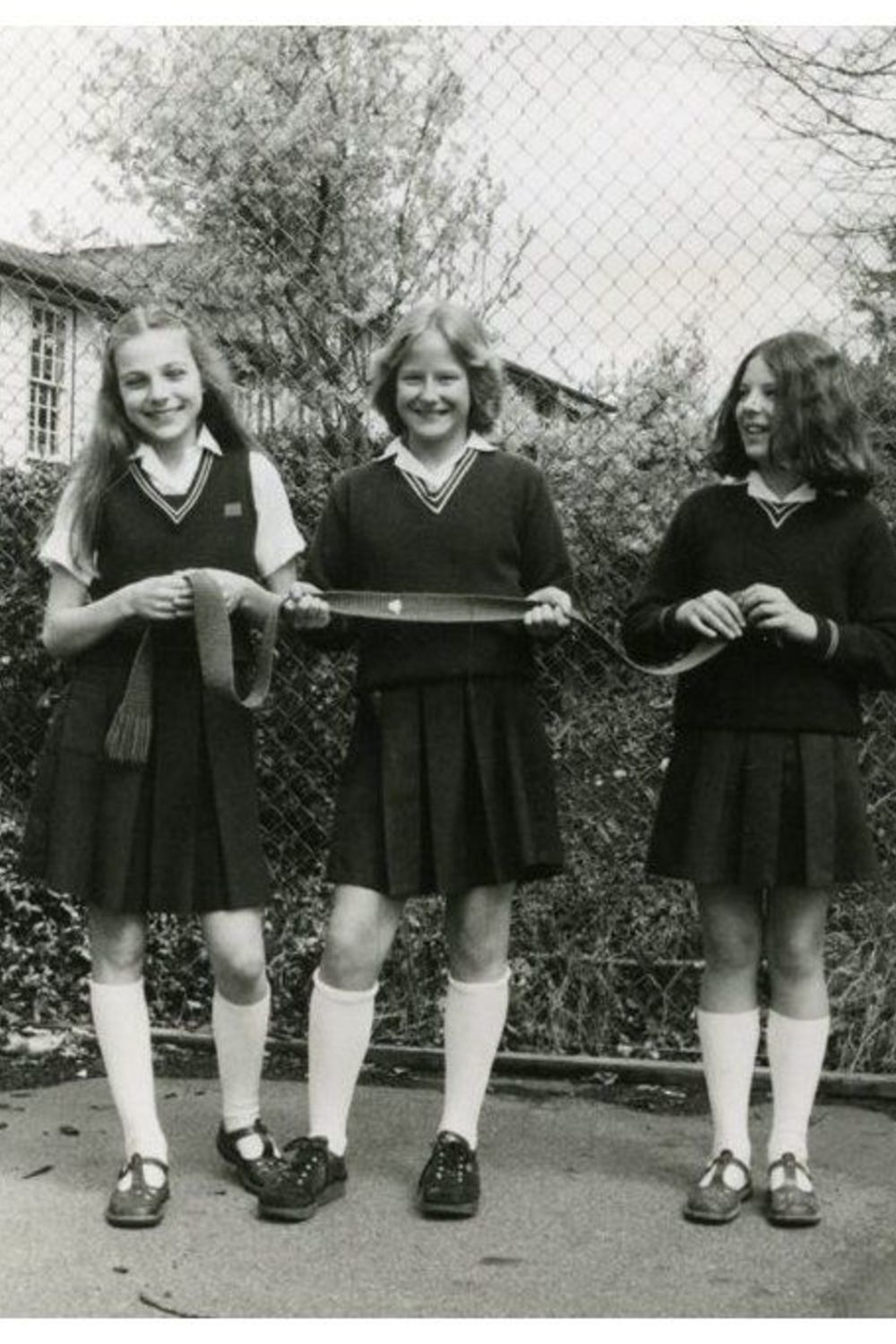
While schoolboy uniforms date as far back as the 16th century, the ‘20s is often credited with the earliest form of the modern Western schoolgirl ensemble as education became more accessible to women. Young girls paired a “middy”-a loose white blouse with a tapered front and square back that bears resemblance to a sailor-with an over-the-knee pleated skirt.


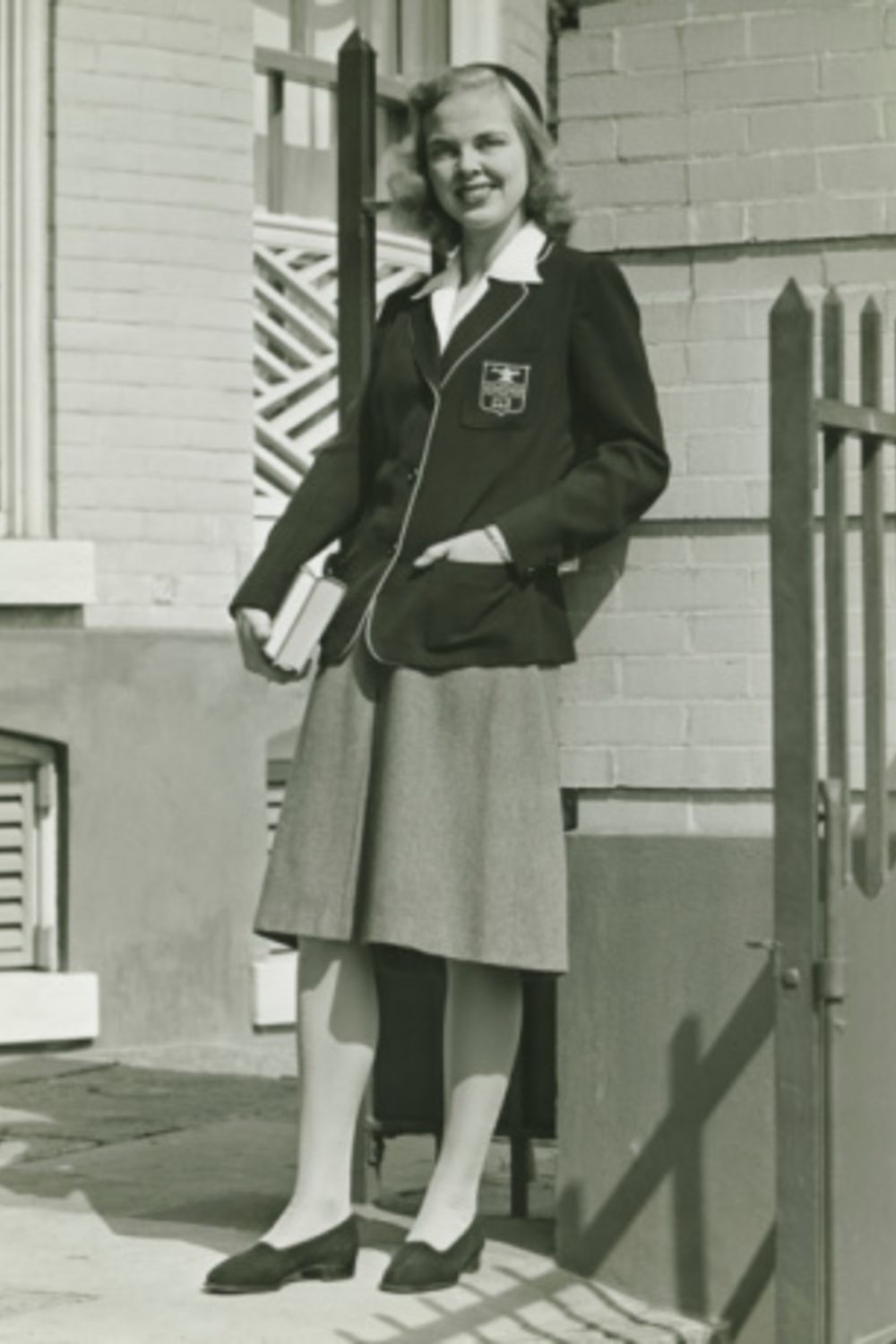
Leading into the ‘30s and ‘40s, there was even greater experimentation with girl’s uniforms, even taking inspiration from menswear and boy’s uniforms. Adolescent schoolgirls typically layered tailored blazers with insignias embroidered on the breast pocket. As a response to the war in the latter decade, hemlines rapidly rose and plaid pinafores became more prevalent in the schoolgirl attire.



When Christian Dior introduced the New Look in 1947, which consisted of nipped waistlines and long flared skirts, the aesthetic translated into modern schoolgirl uniforms. The late ‘40s and ‘50s created the quintessential “schoolgirl” uniform that we know and recognize today. Plaid kilts, tartan skirts, and Peter Pan-collared blouses skyrocketed in popularity throughout the decade.
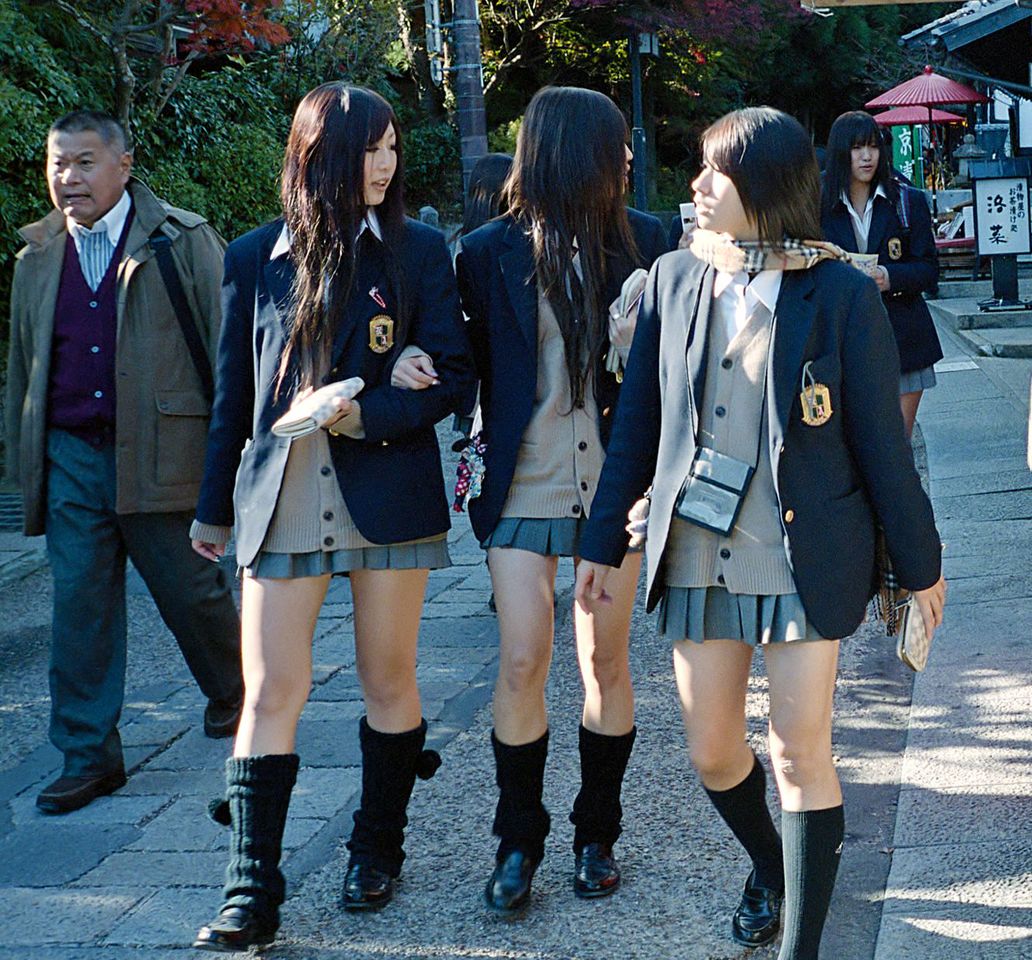


From the ‘50s and so on, girls' uniforms saw continual updates and quirks. As uniforms were often associated with private schooling and wealth, students tried to deviate from said social implications by modding their uniforms—whether it be a form of rebellion or creative self-expression.

Shortened hemlines, stacked accessories, and personalized bags were often used as a way to tip-toe around school dress codes. It enabled students to add a personal flair to the already "drab" and socially constricting attire forced upon them. In Japan, Kogyaru, a fashion subculture that emerged among young Japanese adolescents, consisted of customizing plain school uniforms as a means of fueling their anti-establishment agenda. The girls often paired miniskirts with chunky loose socks and Burberry check scarves.

The Schoolgirl Aesthetic Trickles Up to High Fashion
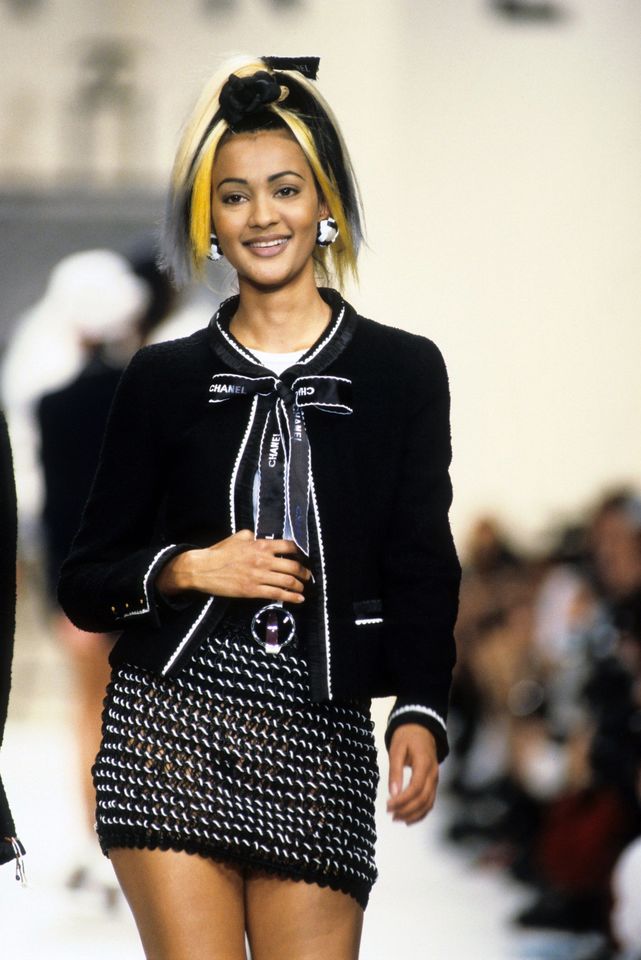


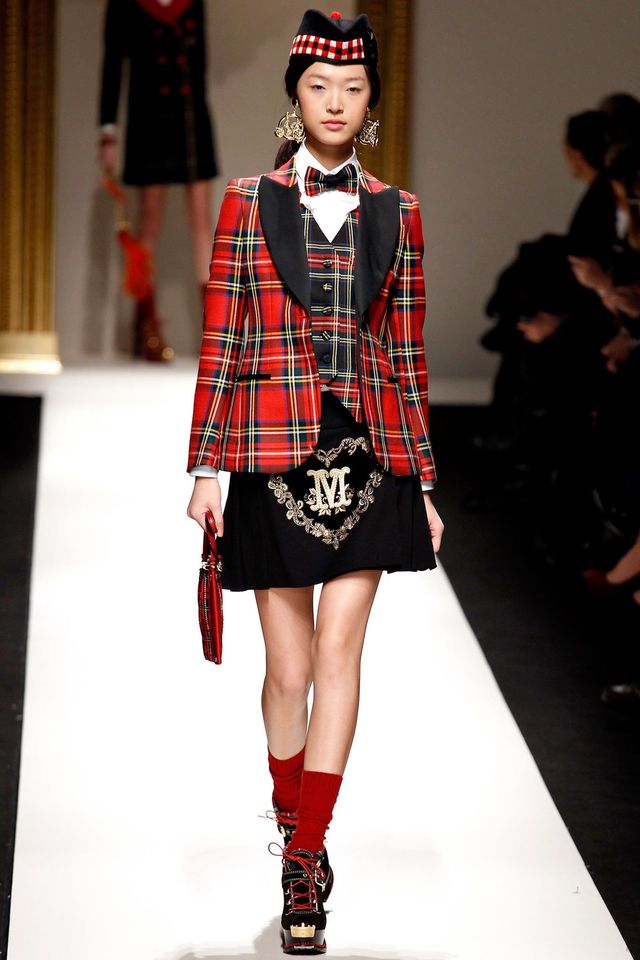
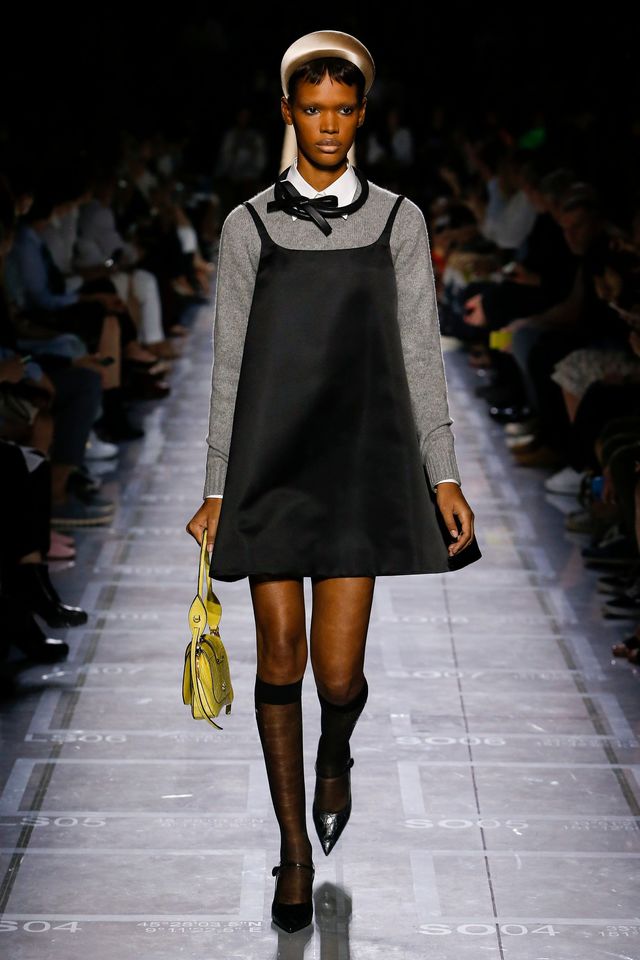
So how did the seemingly plain uniform make its way onto high fashion runways and luxury retailers? Thanks to the schoolgirl uniform’s versatility and longevity, designers such as Prada and Saint Laurent saw potential in modernizing the simple uniform. It served as a blank canvas for designers to take their own artistic spin on the youthful ensemble. The reinvention of the seemingly gloomy schoolgirl uniform, typically associated with prestige and class, allowed for fashion aficionados to buy into the desirable (and often unattainable), Gossip Girl-esque aesthetic that remains a leading trend today.

Prevalence in Popular Culture
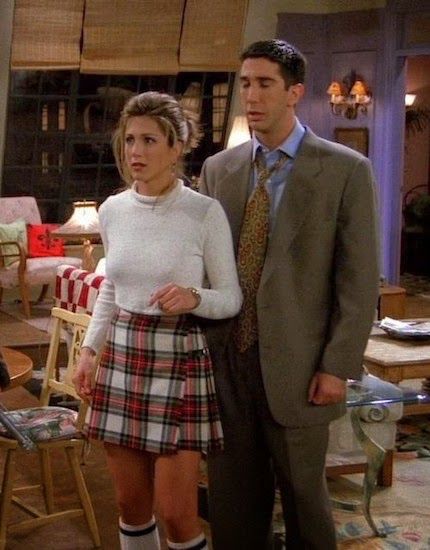


From Cher Horowitz’s iconic plaid skirt suit in Clueless to Britney Spears’ racy outfit in “...Baby One More Time,” such memorable pop culture moments serve as a testament to the schoolgirl uniform’s long-lived popularity. Continuously brought back by consumers and designers alike, today’s “preppy” trend channels schoolgirl aesthetics with modern updates. Experimental silhouettes, platform Mary Janes and loafers, and vibrant colorways, the schoolgirl aesthetic continues to thrive beyond being a mere, functional necessity.

Newsletter

Related Articles

0:00
0:00
Close
UK Government Reviews Long-Term Balance Between Cost Relief, Industry Support, and Public Investment Priorities
BBC Could Receive Permanent Royal Charter Under Government Proposal
Northern Ireland Proposes End to Severe Weather Exemptions for Electricity Compensation Rules
Andy Burnham Holds Talks With UK Devolved Leaders on Regional Cooperation and Devolution
House of Lords Launches Inquiry Into Risks Facing UK Democratic Institutions
ScottishPower Renewables Plans Major Rebuild of Whitelee Wind Farm With Fewer Larger Turbines
UK and Italy Leaders Discuss Global Combat Air Programme and Future European Cooperation
UK Government Announces Six Hundred Million Pound Aerospace Investment Package at Farnborough Airshow
European Union Approves UK Participation in Ninety Billion Euro Ukraine Support Loan Framework
Rolls-Royce Warns UK Government Over Jet Engine Funding Decision and Future Manufacturing Plans
UK Inflation Falls to Two Point Six Percent in June as Fuel and Food Prices Ease
Andy Burnham Begins Premiership With Two Pound England Bus Fare Cap and Electricity Tax Cut Plan
YouGov Poll Shows Tight Competition Among UK Political Parties
Space Technology Investment Expands Through UK-US Cooperation at Farnborough Airshow
UK Opens Final India Young Professionals Scheme Ballot for Three Thousand Applicants
United Kingdom Approved for Ukraine Financial Support Initiative With EU Partners
UK and Ireland Leaders Discuss Security, Energy and Regional Cooperation
British Heart Foundation Identifies Ten UK Areas With Severe Shortages of Defibrillators
Former Southern Water Executives Charged Over Alleged Water Test Manipulation Scheme
IMF Warns UK Economic Growth Will Slow to One Percent in 2026
UK Inflation Falls to Two Point Six Percent in June as Food and Energy Costs Ease
United Kingdom Joins European Union Loan Mechanism to Support Ukraine’s Defense Needs
Prime Minister Andy Burnham Introduces Two-Pound Bus Fare Cap and Energy Tax Relief Measures Across England
Northern Ireland Secures Additional Infrastructure Funding From UK Treasury
Wales Approves Port Investment Plans to Support Green Energy Supply Chains
UK Financial Regulator Simplifies Stock Market Rules to Attract More Listings
UK Reports Decline in Small Boat Crossings Across the English Channel
UK Government Creates Emergency Support Fund for Financially Pressured Universities
Scottish Government Launches Economic Strategy Focused on Innovation and Renewable Industries
UK Expands Sustainable Farming Incentives to Support Environmental Measures
UK Government Introduces New Neighbourhood Policing Standards Across England and Wales
UK Competition Regulator Opens Review of Artificial Intelligence Foundation Models
UK Deepens Indo-Pacific Security Cooperation After Talks With Singapore and Japan
UK Announces Rail Modernisation Plan for Northern England With New Infrastructure Funding
UK Government Updates Housing Planning Rules to Accelerate Residential Construction
UK Approves Major North Sea Offshore Wind Project to Support Clean Power Goals
UK Health Service Begins Major Digital Upgrade to Cut Hospital Waiting Times
Bank of England Holds Interest Rates Steady as UK Inflation Pressures Remain Persistent
UK Universities and Industry Expand Space and Defense Research Partnerships
House of Lords Approves Social Housing Bill Amendments on Shared Ownership Rights
House of Lords Advances Civil Aviation Bill With New Passenger Protection Measures
UK Government Suspends Tariffs on Fertilizer and Food Imports to Reduce Costs
Russell Group Universities Support New UK Business Department Focused on Innovation
UK Parliament Opens Inquiry Into Transport Barriers Facing Young Jobseekers
Home Builders Federation Calls for Lower Costs as New UK Government Sets Housing Priorities
Andy Burnham Meets UK Devolved Leaders to Strengthen Regional Cooperation
Andy Burnham Holds First International Calls With Trump, Macron, and Zelenskyy
Andy Burnham Reshuffles Cabinet With John Healey Appointed Chancellor of the Exchequer
Andy Burnham Government Removes VAT From Electricity Bills to Cut Household Costs
Andy Burnham Becomes United Kingdom Prime Minister After Sir Keir Starmer Resigns
×