Starmer Stands Firm After ‘Leadership Coup’ Fears Amid Epstein Fallout and Party Unrest
UK prime minister averts an internal challenge but remains under pressure from within Labour as political tensions deepen
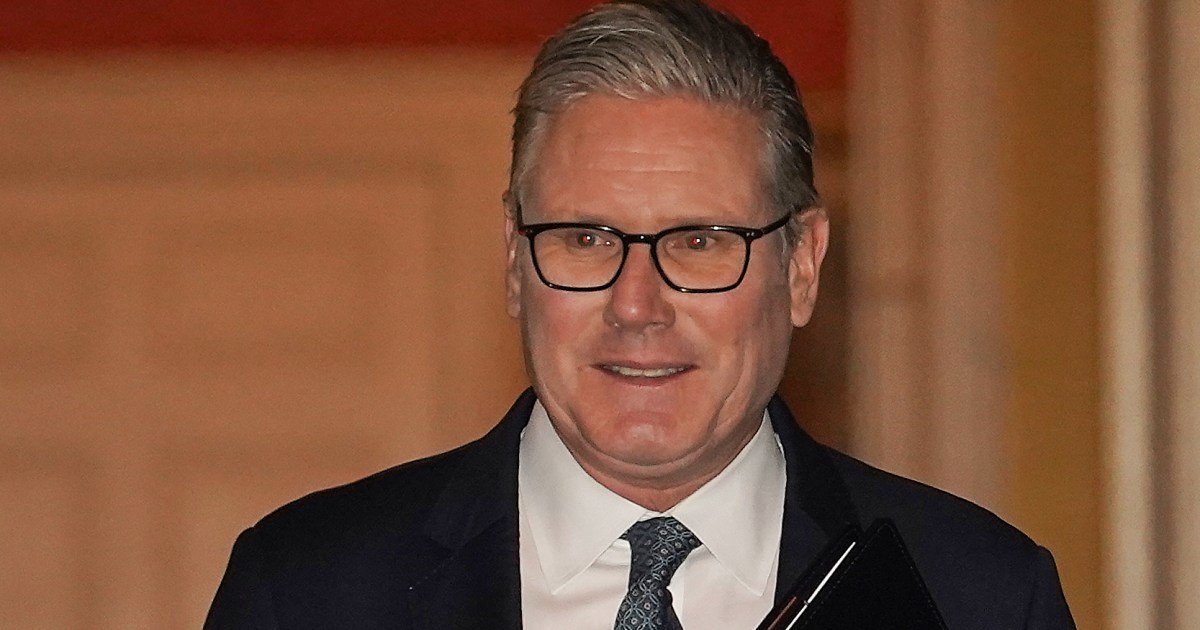
British Prime Minister Sir Keir Starmer has weathered a dramatic period of internal political turbulence after what was widely portrayed as a potential leadership challenge — a crisis rooted in the fallout over his appointment of Peter Mandelson as ambassador to Washington and intense unrest within his own party.
The controversy began late last year when new revelations about Mandelson’s association with the disgraced financier Jeffrey Epstein and subsequent disclosures of sensitive communications triggered anger both within Parliament and the public.
Although Starmer himself has not been implicated in any wrongdoing, his decision to appoint Mandelson eroded trust among several Labour lawmakers and opponents, prompting calls for his resignation and fierce debate over his judgment and leadership style.
The Mandelson affair, compounded by poor polling performance and economic challenges at home, created fertile ground for speculation about a leadership challenge.
Tensions within the Labour Party have manifested in public pressure from figures such as Scottish Labour leader Anas Sarwar, who openly urged Starmer to step down, and the resignation of key aides, including the prime minister’s chief of staff.
Internal briefings and rivalries, including inaccurate rumours that senior minister Wes Streeting was plotting to replace the prime minister, added to the sense of disarray in Downing Street and amplified internal divisions.
Despite the turmoil, Starmer has rallied support from a significant portion of his cabinet and parliamentary colleagues, emphasising his commitment to his mandate and dismissing suggestions that he would relinquish leadership.
In public addresses, he has reiterated his determination to focus on national priorities and to resist what he described as distractions from the government’s core agenda.
A formal leadership challenge has not materialised, and Starmer’s allies framed the episode as an attempt to undermine his authority rather than an organised revolt, with many in the party urging unity as local and national elections approach.
The broader political context has also played a role in shaping the dynamics of the challenge narrative.
Labour’s dominant parliamentary majority should, in theory, insulate Starmer from internal overthrow, but scepticism about his political strategy, policy direction and communication has fuelled speculation among commentators and politicians alike.
Some analysts contend that the real struggle for Starmer lies not in an immediate leadership coup, but in reconciling differing factions within his party and rebuilding public confidence ahead of pivotal electoral contests.
The controversy began late last year when new revelations about Mandelson’s association with the disgraced financier Jeffrey Epstein and subsequent disclosures of sensitive communications triggered anger both within Parliament and the public.
Although Starmer himself has not been implicated in any wrongdoing, his decision to appoint Mandelson eroded trust among several Labour lawmakers and opponents, prompting calls for his resignation and fierce debate over his judgment and leadership style.
The Mandelson affair, compounded by poor polling performance and economic challenges at home, created fertile ground for speculation about a leadership challenge.
Tensions within the Labour Party have manifested in public pressure from figures such as Scottish Labour leader Anas Sarwar, who openly urged Starmer to step down, and the resignation of key aides, including the prime minister’s chief of staff.
Internal briefings and rivalries, including inaccurate rumours that senior minister Wes Streeting was plotting to replace the prime minister, added to the sense of disarray in Downing Street and amplified internal divisions.
Despite the turmoil, Starmer has rallied support from a significant portion of his cabinet and parliamentary colleagues, emphasising his commitment to his mandate and dismissing suggestions that he would relinquish leadership.
In public addresses, he has reiterated his determination to focus on national priorities and to resist what he described as distractions from the government’s core agenda.
A formal leadership challenge has not materialised, and Starmer’s allies framed the episode as an attempt to undermine his authority rather than an organised revolt, with many in the party urging unity as local and national elections approach.
The broader political context has also played a role in shaping the dynamics of the challenge narrative.
Labour’s dominant parliamentary majority should, in theory, insulate Starmer from internal overthrow, but scepticism about his political strategy, policy direction and communication has fuelled speculation among commentators and politicians alike.
Some analysts contend that the real struggle for Starmer lies not in an immediate leadership coup, but in reconciling differing factions within his party and rebuilding public confidence ahead of pivotal electoral contests.