Paul Dacre Testifies in UK Privacy Trial, Expresses Deep Anger at Allegations Against Daily Mail
Veteran newspaper figure refutes claims of unlawful information gathering as high-profile claimants pursue damages in London High Court
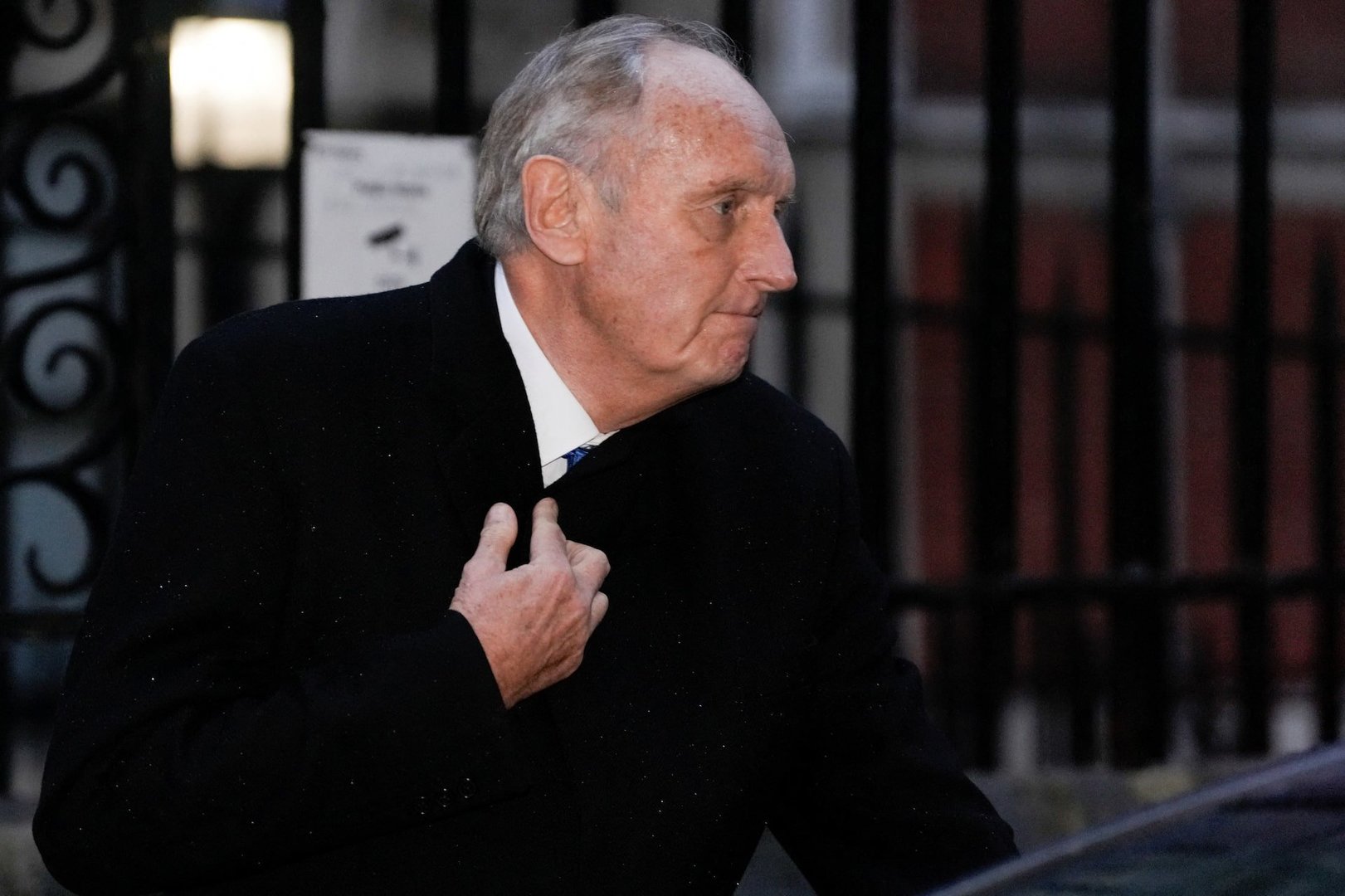
Paul Dacre, the long-serving former editor of the Daily Mail and current editor-in-chief of DMG Media, delivered a forceful and emotional defence in a London High Court privacy trial on Tuesday, describing allegations of unlawful information gathering as “astonishing, appalling” and personally distressing.
The case, brought by seven well-known figures including Prince Harry, Sir Elton John, Baroness Doreen Lawrence, and others, centres on claims that Associated Newspapers Limited, publisher of the Daily Mail and Mail on Sunday, engaged in practices such as phone hacking, bugging, blagging and other illicit means to obtain private information over several decades.
Dacre firmly denied any institutional wrongdoing under his leadership, emphasising that he would never have sanctioned illegal activity and that he banned the use of private investigators in 2007 after concerns emerged about their deployment in the industry.
Dacre said in his written evidence that the allegations had “astonished, appalled and – in the small hours of the night – reduced me to rage” and that he was particularly wounded by assertions relating to the Daily Mail’s long-running campaign to secure justice for Stephen Lawrence, the murdered Black teenager whose mother, Baroness Lawrence, is among the claimants.
He maintained that any investigative work was conducted legitimately and that suggestions the newspaper pursued sensational stories through illicit means were “grave and sometimes preposterous”.
Dacre acknowledged that during his tenure the paper did use so-called “inquiry agents” for certain research tasks, but he stressed that he responded swiftly to industry reports in 2006 by prohibiting their use, and insisted there was no evidence that the paper employed bugging or hacking technology.
Cross-examination by the claimants’ lawyer, David Sherborne, probed Dacre on invoices and records indicating substantial payments to private investigators over the relevant period, but Dacre maintained that many inquiries related to basic fact-finding, such as obtaining contact details, which he said were lawful.
He also highlighted the impact of the prolonged litigation on staff, saying the proceedings had cast a “shadow” over the lives of “honest, dedicated journalists”.
Associated Newspapers denies all claims of unlawful information gathering, arguing that none of the contested stories relied on information obtained through illegal means and that the claims are unfounded.
The trial, which began several weeks ago, continues before Mr Justice Nicklin and is expected to run into March, with judgment to be delivered at a later date.
The case, brought by seven well-known figures including Prince Harry, Sir Elton John, Baroness Doreen Lawrence, and others, centres on claims that Associated Newspapers Limited, publisher of the Daily Mail and Mail on Sunday, engaged in practices such as phone hacking, bugging, blagging and other illicit means to obtain private information over several decades.
Dacre firmly denied any institutional wrongdoing under his leadership, emphasising that he would never have sanctioned illegal activity and that he banned the use of private investigators in 2007 after concerns emerged about their deployment in the industry.
Dacre said in his written evidence that the allegations had “astonished, appalled and – in the small hours of the night – reduced me to rage” and that he was particularly wounded by assertions relating to the Daily Mail’s long-running campaign to secure justice for Stephen Lawrence, the murdered Black teenager whose mother, Baroness Lawrence, is among the claimants.
He maintained that any investigative work was conducted legitimately and that suggestions the newspaper pursued sensational stories through illicit means were “grave and sometimes preposterous”.
Dacre acknowledged that during his tenure the paper did use so-called “inquiry agents” for certain research tasks, but he stressed that he responded swiftly to industry reports in 2006 by prohibiting their use, and insisted there was no evidence that the paper employed bugging or hacking technology.
Cross-examination by the claimants’ lawyer, David Sherborne, probed Dacre on invoices and records indicating substantial payments to private investigators over the relevant period, but Dacre maintained that many inquiries related to basic fact-finding, such as obtaining contact details, which he said were lawful.
He also highlighted the impact of the prolonged litigation on staff, saying the proceedings had cast a “shadow” over the lives of “honest, dedicated journalists”.
Associated Newspapers denies all claims of unlawful information gathering, arguing that none of the contested stories relied on information obtained through illegal means and that the claims are unfounded.
The trial, which began several weeks ago, continues before Mr Justice Nicklin and is expected to run into March, with judgment to be delivered at a later date.