Starmer Faces Political Test as UK Local Election Results Begin to Shape National Mood
Councils across England are being counted after a nationwide vote widely interpreted as a referendum on the Labour leader’s early period in government
The UK’s electoral system is driving a pivotal political moment as vote counting begins across England following local elections widely viewed as an early test of Prime Minister Keir Starmer’s leadership and the Labour government’s public standing.
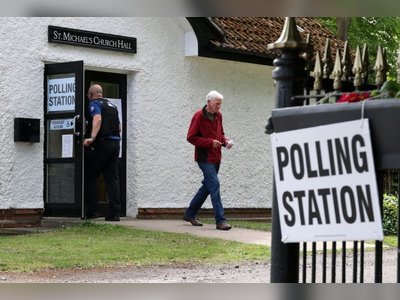
What is confirmed is that voters across multiple English councils went to the polls to elect local representatives responsible for managing core public services including housing, waste collection, planning decisions, social care, and local taxation.
While formally focused on local governance, these elections are routinely treated as an indirect measure of national political sentiment.
The counting process now underway will determine which parties control hundreds of council seats across a fragmented electoral map.
In England, local elections do not occur as a single unified contest but across different authorities with varying political histories, demographic profiles, and local issues.
This creates a patchwork of results that political parties interpret collectively to assess national momentum.
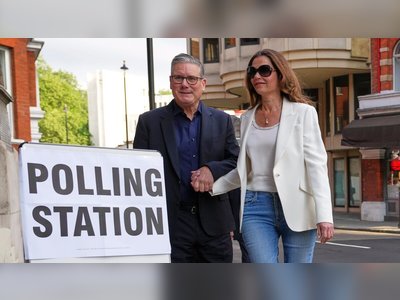
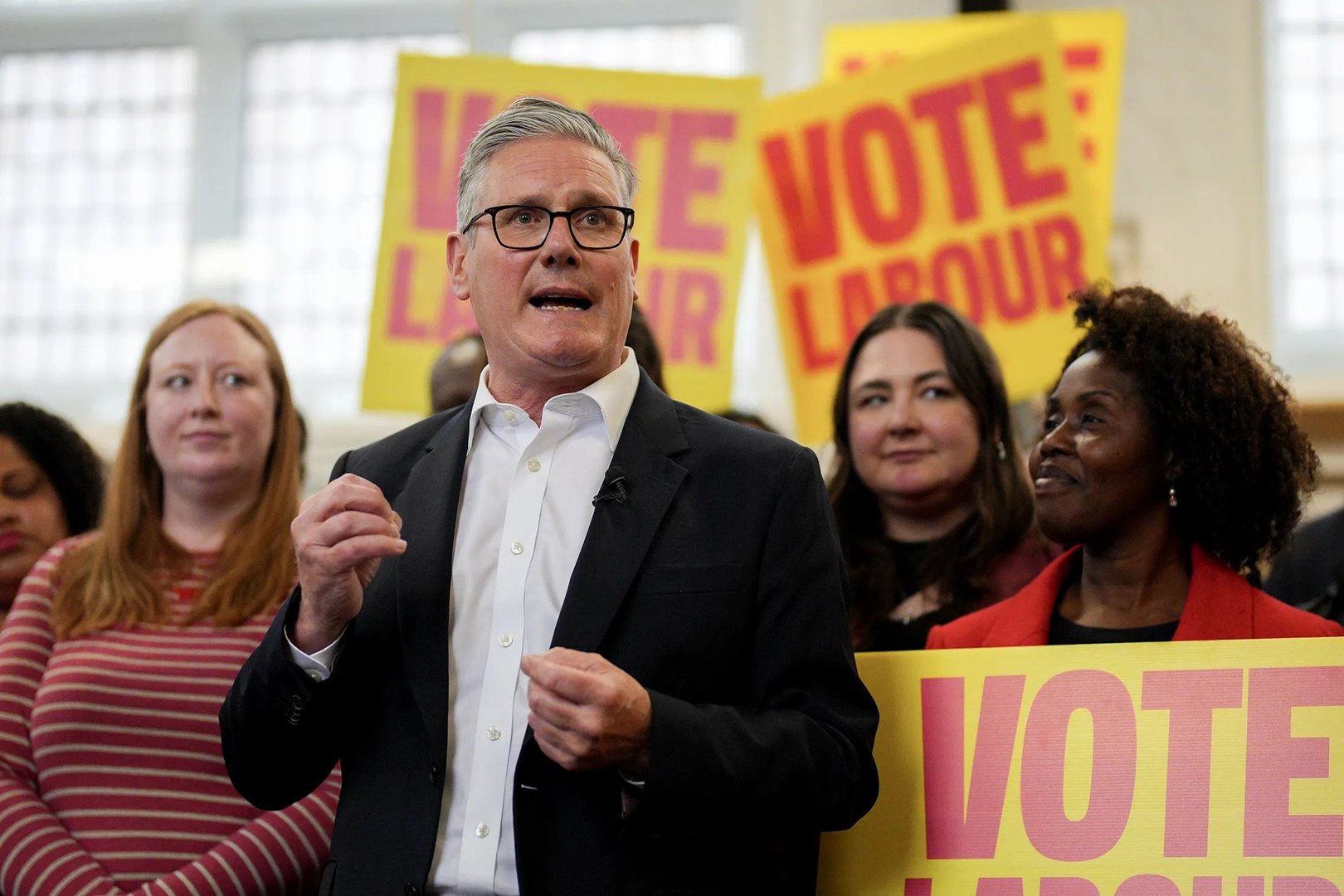
The stakes are particularly significant for the governing Labour Party under Keir Starmer, who has been seeking to consolidate authority following the transition from the previous Conservative administration.
Local election outcomes are often used as a barometer of whether early governance decisions, economic messaging, and public service priorities are resonating with voters outside Westminster.
For opposition parties, particularly the Conservatives and smaller political groups, gains in council seats would be framed as evidence of shifting public sentiment and potential vulnerability for the government ahead of future national elections.
Even modest changes in vote share or seat distribution can be amplified politically due to the symbolic weight attached to these contests.
The structure of the UK’s local electoral system plays a central role in shaping interpretation.
Councillors are elected typically through first-past-the-post voting in local wards.
The party or coalition that controls a majority of seats in a council forms the local administration, setting policy direction and budget priorities.
Where no party holds a majority, councils may be governed through coalitions or minority arrangements requiring cross-party negotiation.
Turnout levels in local elections are generally lower than in national elections, which can distort comparisons with general election results.
This means outcomes are often influenced by highly motivated voter groups, local campaign effectiveness, and region-specific issues such as housing development disputes, council tax levels, and public service performance.
As results continue to emerge, political leaders will assess both seat changes and overall vote share as indicators of broader political trends.
While these elections do not directly alter the national government, they shape media narratives, internal party strategy, and public perceptions of political momentum in the period between general elections.
The final results will determine control of local councils across England and establish the immediate governing structures responsible for delivering local services, while also feeding into a wider national assessment of political direction under the current government.
What is confirmed is that voters across multiple English councils went to the polls to elect local representatives responsible for managing core public services including housing, waste collection, planning decisions, social care, and local taxation.
While formally focused on local governance, these elections are routinely treated as an indirect measure of national political sentiment.
The counting process now underway will determine which parties control hundreds of council seats across a fragmented electoral map.
In England, local elections do not occur as a single unified contest but across different authorities with varying political histories, demographic profiles, and local issues.
This creates a patchwork of results that political parties interpret collectively to assess national momentum.
The stakes are particularly significant for the governing Labour Party under Keir Starmer, who has been seeking to consolidate authority following the transition from the previous Conservative administration.
Local election outcomes are often used as a barometer of whether early governance decisions, economic messaging, and public service priorities are resonating with voters outside Westminster.
For opposition parties, particularly the Conservatives and smaller political groups, gains in council seats would be framed as evidence of shifting public sentiment and potential vulnerability for the government ahead of future national elections.
Even modest changes in vote share or seat distribution can be amplified politically due to the symbolic weight attached to these contests.
The structure of the UK’s local electoral system plays a central role in shaping interpretation.
Councillors are elected typically through first-past-the-post voting in local wards.
The party or coalition that controls a majority of seats in a council forms the local administration, setting policy direction and budget priorities.
Where no party holds a majority, councils may be governed through coalitions or minority arrangements requiring cross-party negotiation.
Turnout levels in local elections are generally lower than in national elections, which can distort comparisons with general election results.
This means outcomes are often influenced by highly motivated voter groups, local campaign effectiveness, and region-specific issues such as housing development disputes, council tax levels, and public service performance.
As results continue to emerge, political leaders will assess both seat changes and overall vote share as indicators of broader political trends.
While these elections do not directly alter the national government, they shape media narratives, internal party strategy, and public perceptions of political momentum in the period between general elections.
The final results will determine control of local councils across England and establish the immediate governing structures responsible for delivering local services, while also feeding into a wider national assessment of political direction under the current government.