London Daily

Focus on the big picture.
Tuesday, Jul 14, 2026

Restaurants and pubs blacklist no-show customers
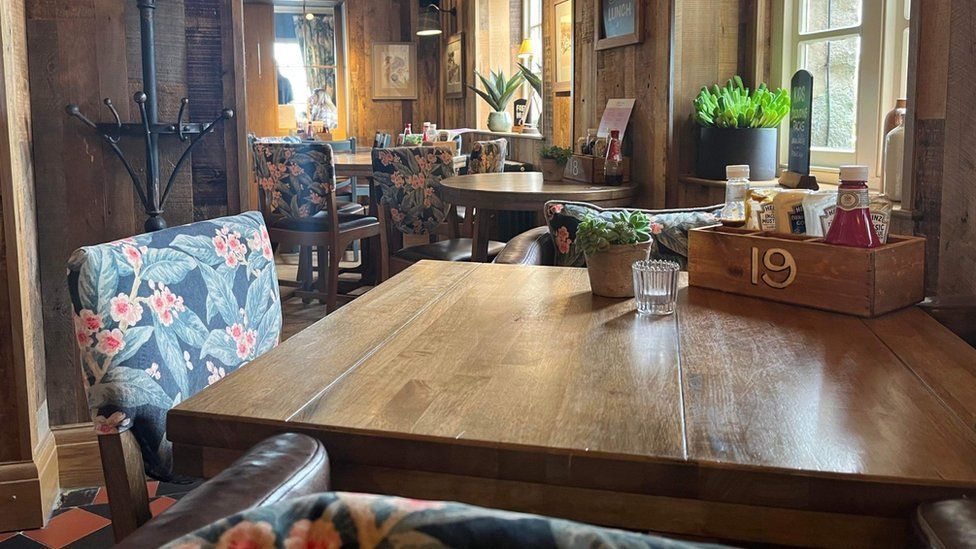
Restaurants and pubs blacklist no-show customers

Last-minute cancellations and growing numbers of no-shows are pushing struggling restaurants and pubs closer to the edge, bosses have said.

Hospitality is being hit by rising costs, after it was particularly affected by closures during the pandemic.

Many hospitality firms have introduced special measures to absorb the costs.

Some are now taking deposits, charging cancellation fees and others no longer accept reservations from blacklisted customers who repeatedly fail to show.

"It was probably in the region of about £20,000 we lost last summer due to no-shows," said pub boss Heidi Bakewell.

"It's not as bad this year as last year, but it is early days," said the manager of Bryncynan in Morfa Nefyn, Gwynedd.

The pub and restaurant has started to refuse bookings from customers who have previously cancelled late or failed to show.
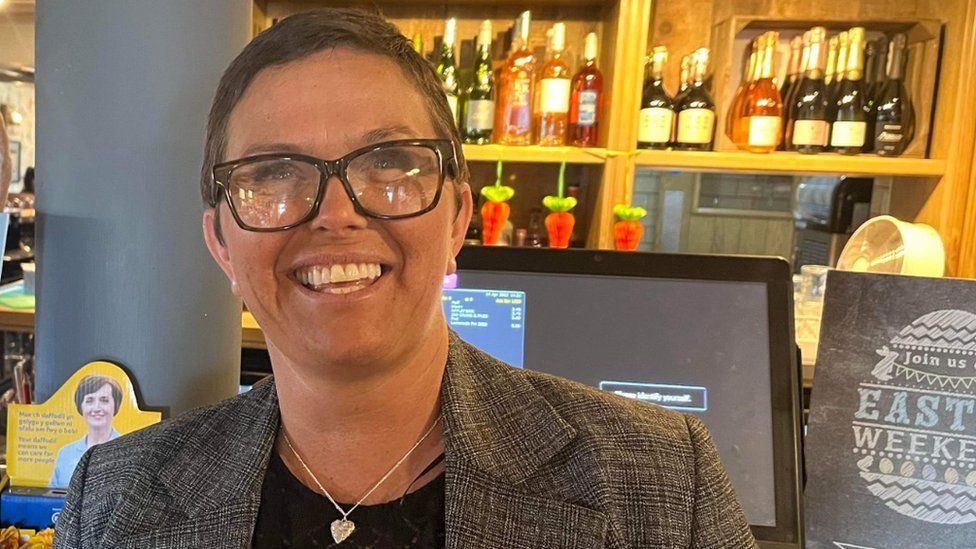
Pub boss Heidi Bakewell says cancelling bookings is "just a matter of courtesy"


She said it added pressure to a busy kitchen which was already operating at reduced capacity due to staff shortages.

When customers do not show up, it means they have to rely on passing trade to absorb costs including food, staffing and energy.

"We understand life gets busy, the sun comes out, people are at the beach a bit longer, but it's just a matter of courtesy to make that phone call so we don't end up in a financially worse-off position," she said.
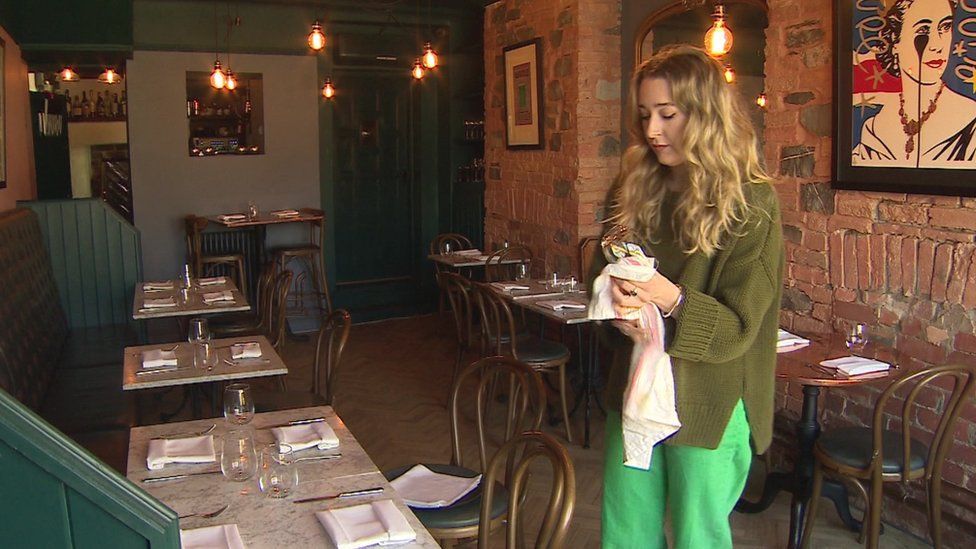
Hywelis Thomas-Howels: "A part of you is dying inside because it's 7:30 on a Saturday night and you've lost six covers"


Môr restaurant in Mumbles, Swansea, has a "black book" and a "do not return" policy if customers do not show up without a reasonable excuse.

"When you're speaking to people on the phone and it's half an hour before their booking and they tell you that six of them have now come down with Covid, a part of you is dying inside because it's 7:30 on a Saturday night and you've lost six covers," said manager Hywelis Thomas-Howels.

'It's been really difficult'


"I think there is perhaps a culture of people coming to a local area, blanket-booking restaurants and then making their mind up on the evening as to where they'd like to eat with no regard for the smaller local business.

"It's been really difficult, especially when every table counts, every cover counts, considering the last two years for hospitality, it's been tough."

The hospitality sector was hit particularly hard by the pandemic as many establishments had to close their doors during months of lockdowns.

The industry is now also being hit by rising costs for food, energy, business rates, an increase in VAT, with the cost of living crisis affecting staff and customers alike.

There is also still a shortage of staff in the industry with many restaurants still not able to operate at full capacity.

David Chapman said the hospitality industry was being hit by rising prices across the board


"We've gone through two years of economic hardship," said David Chapman from UK Hospitality Cymru.

"The industry has suffered with closures, restrictions, trading way under viability."

Costs have increased significantly: Fish has doubled in price in the last year, potatoes cost 70% more and energy bills are up 95%, he said.

Staff shortages have also forced businesses to increase pay to attract new workers.

"It is literally spinning plates, isn't it? That means the margins are so sensitive that anything that happens to affect daily trade will impact that business."

He said despite the issues, the hospitality sector was resilient and would deal with last-minute cancellations and no-shows in different ways.

"I think the real answer is to have some consideration, give a call and say 'sorry, we can't come' and that'll make everything good," he said.


Newsletter

Related Articles

0:00
0:00
Close
UK Prime Minister Keir Starmer Offers Condolences Following Death of Qatar’s Father Amir
UK Regional Innovation Policy Focuses on Research Clusters Across Scotland, Wales, and Northern England
UK Corporate Transparency Rules Set to Become More Strict Under Modern Slavery Reform Plans
UK Civil Service Estate Strategy Shifts Government Activity Away From London
UK Strengthens National Security Powers Through New Threat Designations
Greater Manchester Police Conduct Drink and Drug Driving Operations After Football Events
UK Government Advances Darlington Economic Campus With Construction Milestone
UK Authorities Increase Football-Related Security Operations After Tournament Fixtures
UK Invests Fifty-One Million Pounds in National Cryogenics Facility and Regional Innovation Hubs
UK Moves Toward Tougher Modern Slavery Reporting Rules With Corporate Penalties
UK Government Reports Forty-Three Million Pounds in Savings From Office Estate Reform
UK Government Expands Civil Service Regional Strategy With Manchester and Darlington Campus Projects
UK Designates Iran’s Islamic Revolutionary Guard Corps as National Security Threat
United Kingdom Financial Markets Monitor Business Response to Economic Policy Changes
Scottish Renewable Energy Expansion Highlights Need for Faster Grid Development
Wales and Regions Strengthen Focus on Economic Development Through Tourism and Investment
Retail Industry Warns High Street Businesses Remain Under Pressure
Police Chiefs Highlight Growing Challenges Managing Protests and Public Order
Agriculture Leaders Seek Clarity on Post-Brexit Farming Support and Environmental Rules
Transport Unions Warn of Further Industrial Action Over Pay and Working Conditions
Welsh Tourism Sector Reports Strong Growth Driven by Domestic and International Visitors
National Infrastructure Review Gains Support as Leaders Seek Faster Project Delivery
Financial Markets Assess Impact of United Kingdom Corporate Tax Policy Changes
Northern Ireland Assembly Debates Cross-Border Trade and Infrastructure Cooperation Plans
Government Opens Consultations on Housing Reform and Planning System Changes
Scottish Government Faces Pressure to Accelerate Offshore Wind and Grid Expansion
National Energy System Operator Warns Grid Investment Is Needed for Future Electricity Demand Growth
United Kingdom Research Council Invests in Artificial Intelligence and Biotechnology Innovation Hubs
United Kingdom Expands Oversight of Skilled Worker Visa Sponsors Amid Migration Debate
Cross-Party MPs Call for National Infrastructure Strategy Review to Accelerate Economic Growth
Prime Minister Announces One Billion Pound NHS Funding Package Ahead of Winter Pressures
Bank of England Signals Cautious Approach to Interest Rates as Inflation Remains Above Forecasts
World Cup Visitors Turn American Big-Box Stores Into Souvenir Stops
Netflix Weighs Always-On Channels, Bundles and Short-Form Video
Passenger Is Pulled Partly Outside Ryanair Jet After Window Fails Mid-Flight
Innovation-led growth strategy
Public service reform pressure
Defence and industrial security
Labour leadership transition and economic reset
Northern England Pushes for Greater Influence in Britain’s Future Economic Model
UK Technology Strategy Focuses on Life Sciences, Digital Innovation and Research Investment
Britain and United States Maintain Focus on Pharmaceuticals Cooperation and Industrial Growth
UK Public Services Face Continued Pressure as Government Promises Visible Improvements
Regional Economic Power Becomes Key Theme in Britain’s Next Political Phase
Britain Expands Support for Small Businesses as Firms Seek Better Access to Finance
UK Economy Remains Central Political Challenge as Cost of Living and Growth Concerns Persist
National Health Service Introduces New Workplace Reviews to Improve Conditions for Healthcare Staff
UK Life Sciences Sector Secures More Than Three Billion Pounds in Investment to Support Innovation
Britain Strengthens Defence Strategy as Security Concerns Reshape Military and Industrial Policy
Andy Burnham Promises Stronger UK Defence Industry and Expanded Domestic Production
×