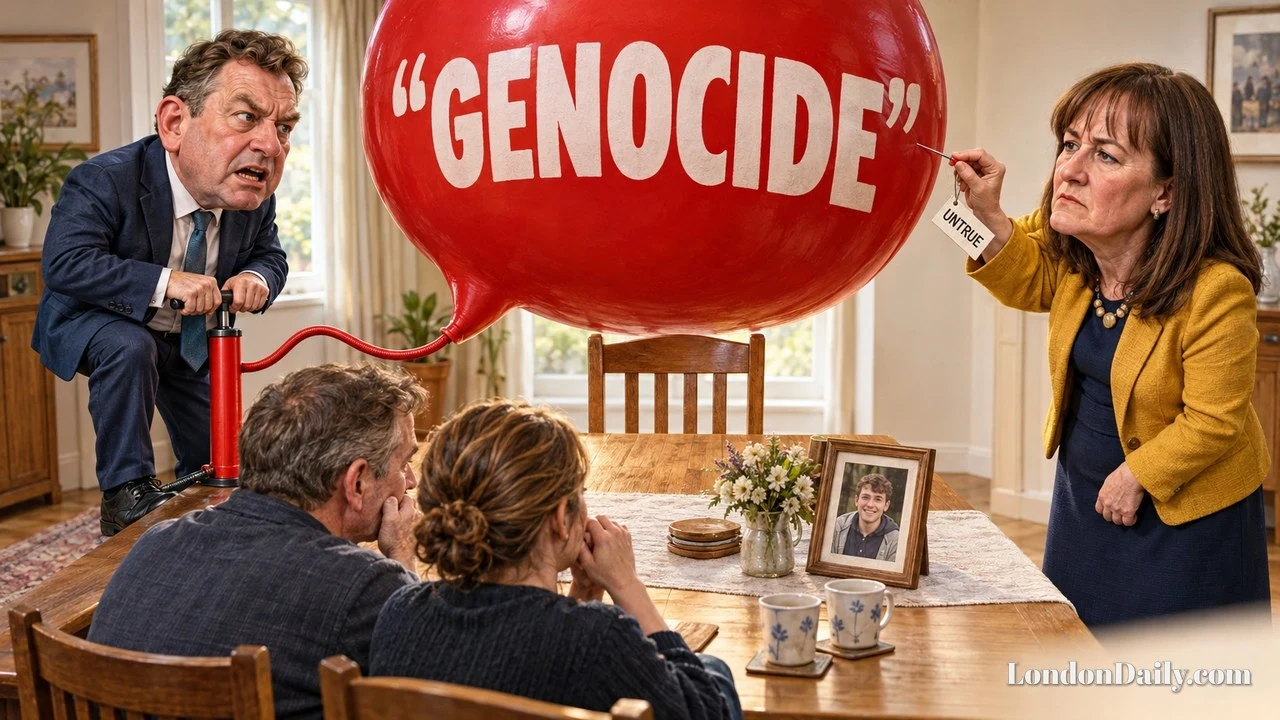
Reform UK Scotland’s deputy leader, Thomas Kerr, has accused the SNP of deliberately killing working-class people through its handling of drug deaths, describing the toll as a “genocide”. Drugs minister Maree Todd rejected the allegation as “entirely untrue” and his language as “deeply irresponsible”.
Kerr, whose father died from drugs in 2016, acknowledged that “the wording was to make a point”. Pressed on whether he believed the deaths were deliberate state action, he said it was “either that or it’s incompetence on a mass level”.
Scotland has Europe’s highest drug death rate, with more than 1,000 deaths annually for nearly a decade. That record provides the context for scrutiny of government policy, but the death toll does not itself establish deliberate killing.
Speaking at a pub in Glasgow’s east end, Kerr said around 600 people had died from drugs in the year his father died. He contrasted that with annual totals now routinely exceeding 1,000 and also cited alcohol deaths of “up to 2,000-odd”.
He said the latest figures showed people in working-class communities such as Glasgow’s east end were 15 times more likely to die from drugs than those in middle-class areas. He argued that politicians needed to take the issue more seriously.
The Glasgow MSP, elected to Holyrood in May after years as a Conservative councillor, said he held Scottish Government ministers personally responsible for his family’s loss. He accused them of cutting rehabilitation funding and said he had witnessed both incompetence and “the sinister side of some of the politicians” in Parliament.
Todd acknowledged that the government could do more, while insisting her “eye is absolutely on the ball”. She offered condolences to bereaved families and said families had asked politicians to depoliticise the issue and put people at the centre of decisions.
She pledged wider access to treatment, residential rehabilitation and life-saving naloxone. A new alcohol and drugs strategic plan, which she said was backed by record funding, would strengthen surveillance, connect treatment more closely with housing and other services, and target communities most at risk.
Todd said the government had exceeded its commitment to support 1,000 people into publicly funded residential rehabilitation each year. That treatment commitment is distinct from the unresolved question of whether the measures will reduce deaths and narrow the inequalities Kerr highlighted.








Join the conversation